

New Zealand's industrial landscape is heavily reliant on forestry and dairy farming, where machinery operates in highly corrosive coastal environments and steep, undulating terrains. This necessitates the use of hydraulic lines that possess superior abrasion resistance and flexibility to prevent premature failure under extreme mechanical stress.
The geographical isolation of many rural worksites in regions like the Waikato or Canterbury means that downtime is incredibly costly. Consequently, there is a strong local demand for high-specification rubber components that exceed standard ISO ratings to reduce the frequency of emergency replacements in remote areas.
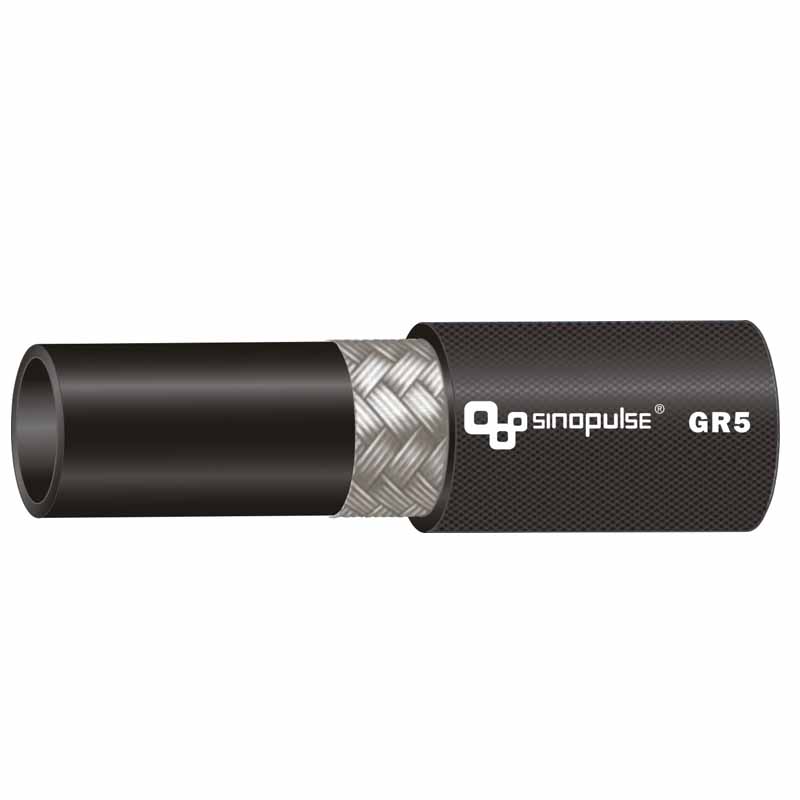
Environmental regulations in New Zealand are among the strictest globally, pushing the rubber and plastics industry toward biodegradable hydraulic fluids. This shift requires a specialized hydraulic hose compatible with synthetic esters to avoid liner degradation and leakage.