

Understanding and Choosing the Right 1 Hydraulic Hose
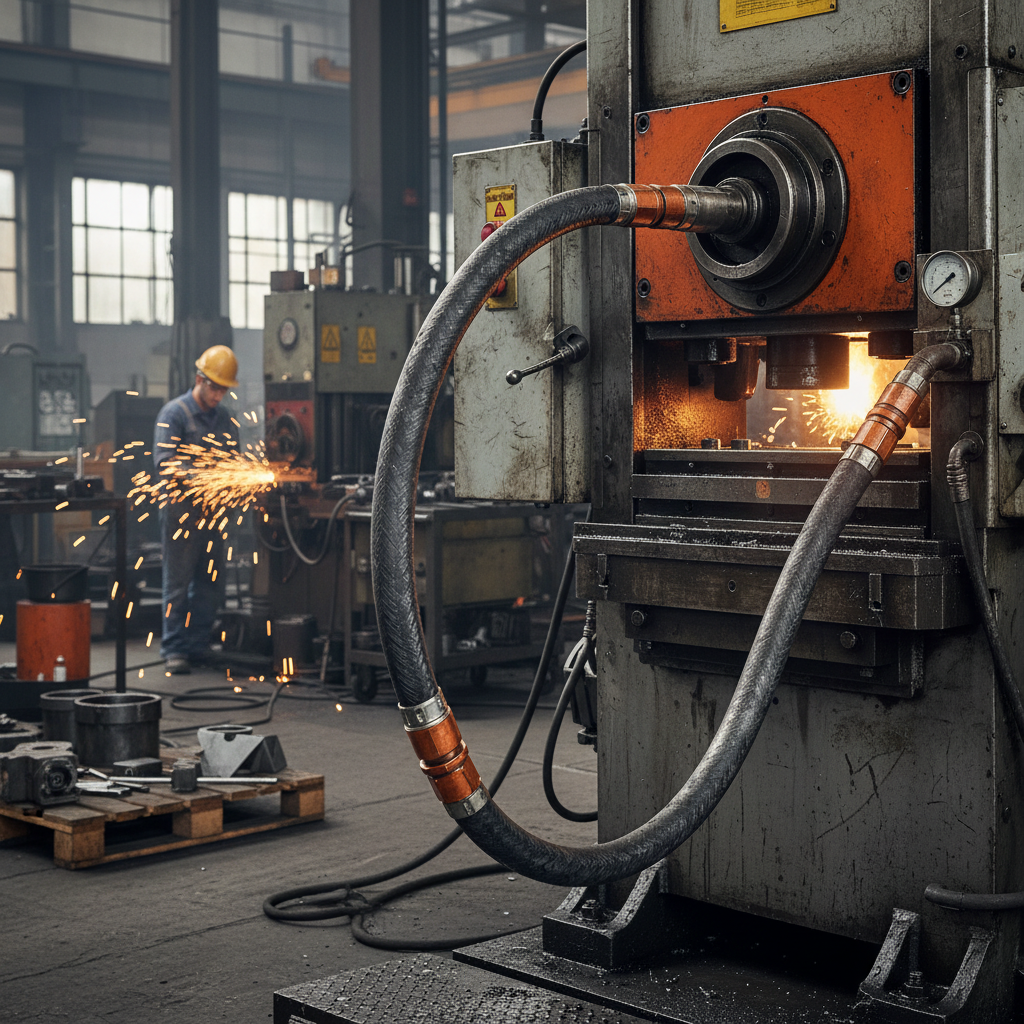
When it comes to hydraulic systems, the 1 hydraulic hose is a critical component. It’s the lifeline that delivers power, and selecting the right hose is paramount for efficiency, safety, and longevity. At HydHoses.com, we specialize in providing high-quality hydraulic hoses tailored to diverse industrial applications. This article will explore the key considerations when choosing a 1 hydraulic hose, covering types, materials, specifications, and best practices for ensuring optimal performance. Investing in the right hose prevents costly downtime and maintains the integrity of your hydraulic system.
Types of 1 Hydraulic Hoses
There are several types of 1 hydraulic hoses, each designed for specific pressure ratings, temperature ranges, and applications. Common types include:
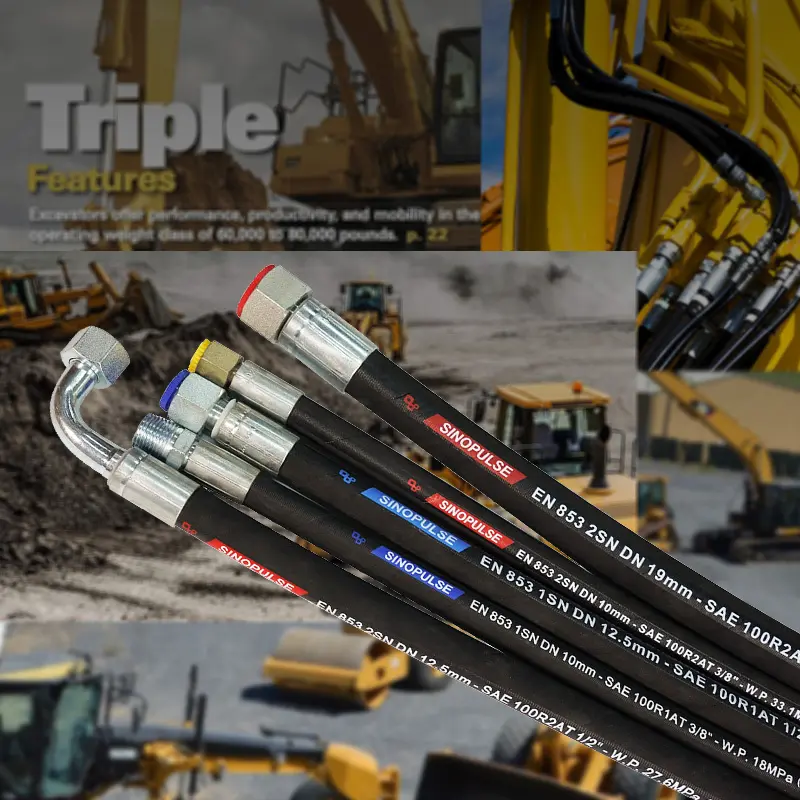
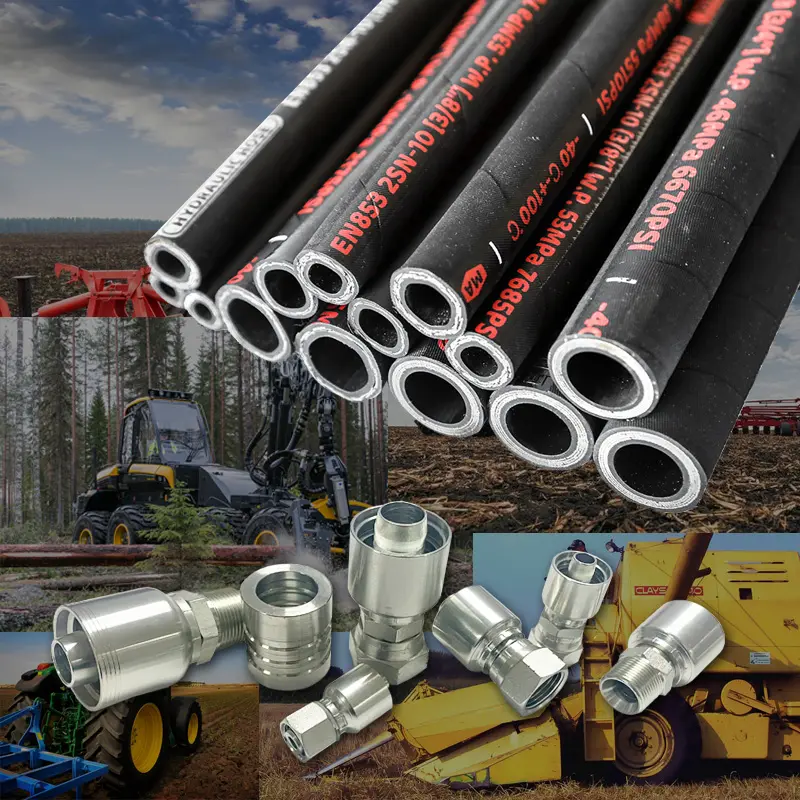
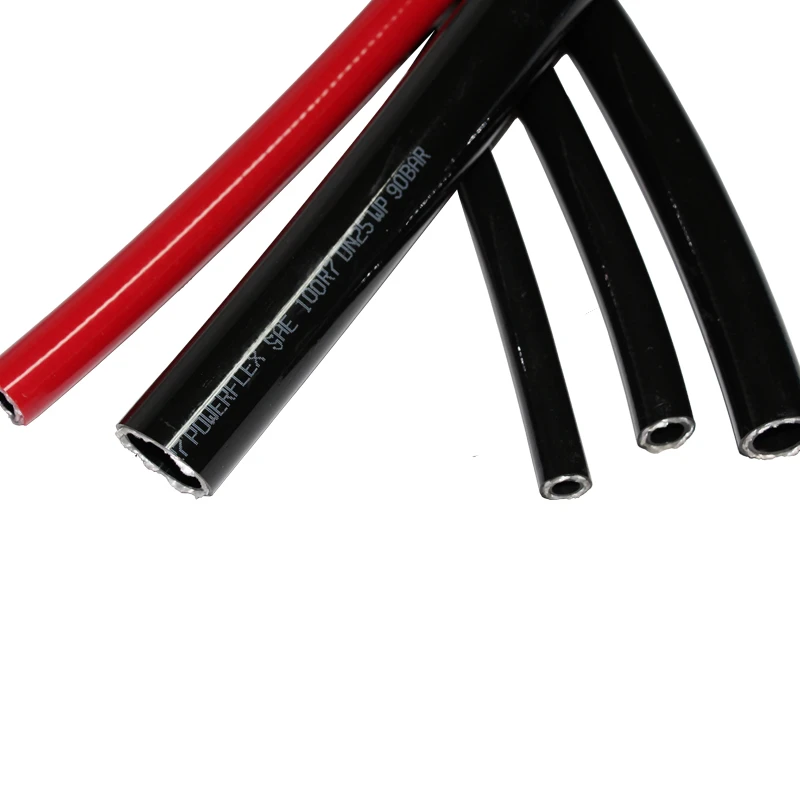
- Wire-Braided Hoses: The most common type, offering good strength and flexibility for medium to high-pressure applications.
- Spiral-Wound Hoses: Ideal for extremely high-pressure applications, providing superior strength and burst resistance.
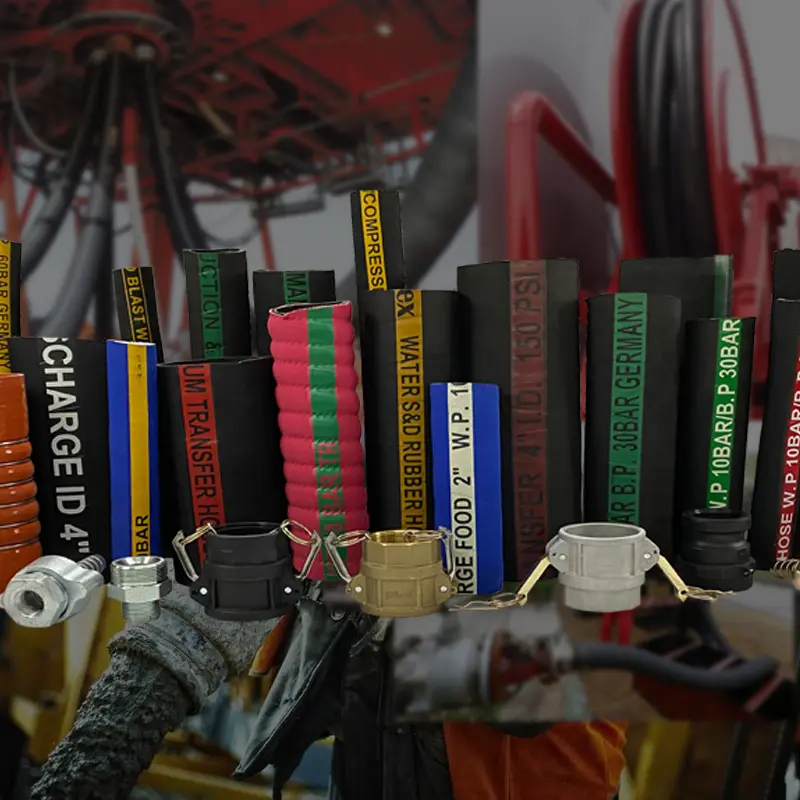
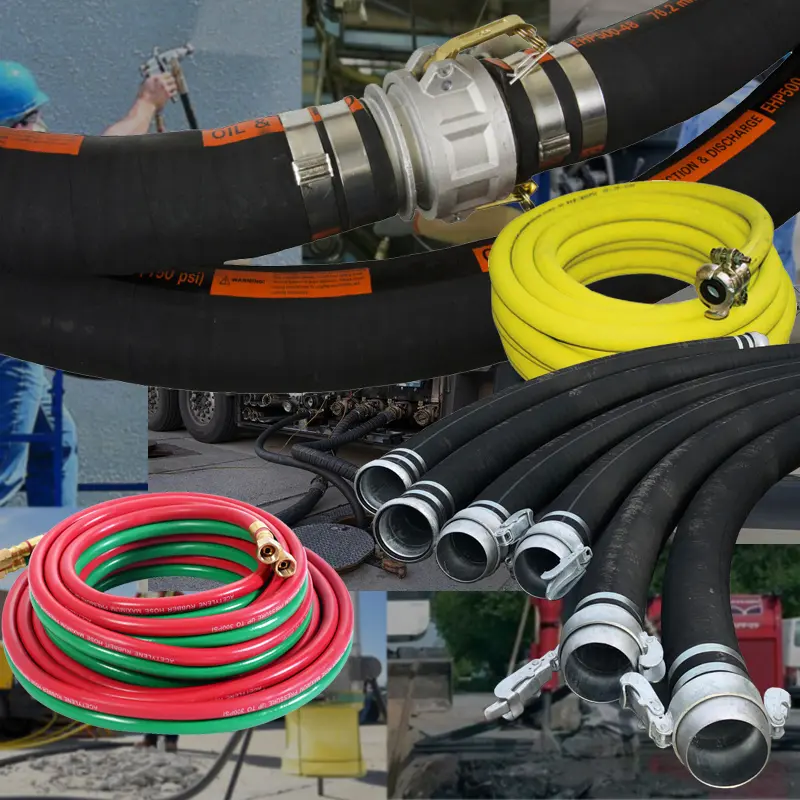
- Rubber Hoses: Best suited for low-pressure, general-purpose applications.
- Thermoplastic Hoses: Offer excellent chemical resistance and are often used in applications where compatibility with specific fluids is critical.
The selection depends on the system’s operating pressure, fluid type, and environmental conditions.
Key Considerations: Choosing the correct hose type is crucial for safety and performance. Incorrect selection can lead to hose failure, resulting in downtime, fluid leaks, and potential injury.
Materials Used in 1 Hydraulic Hose Construction
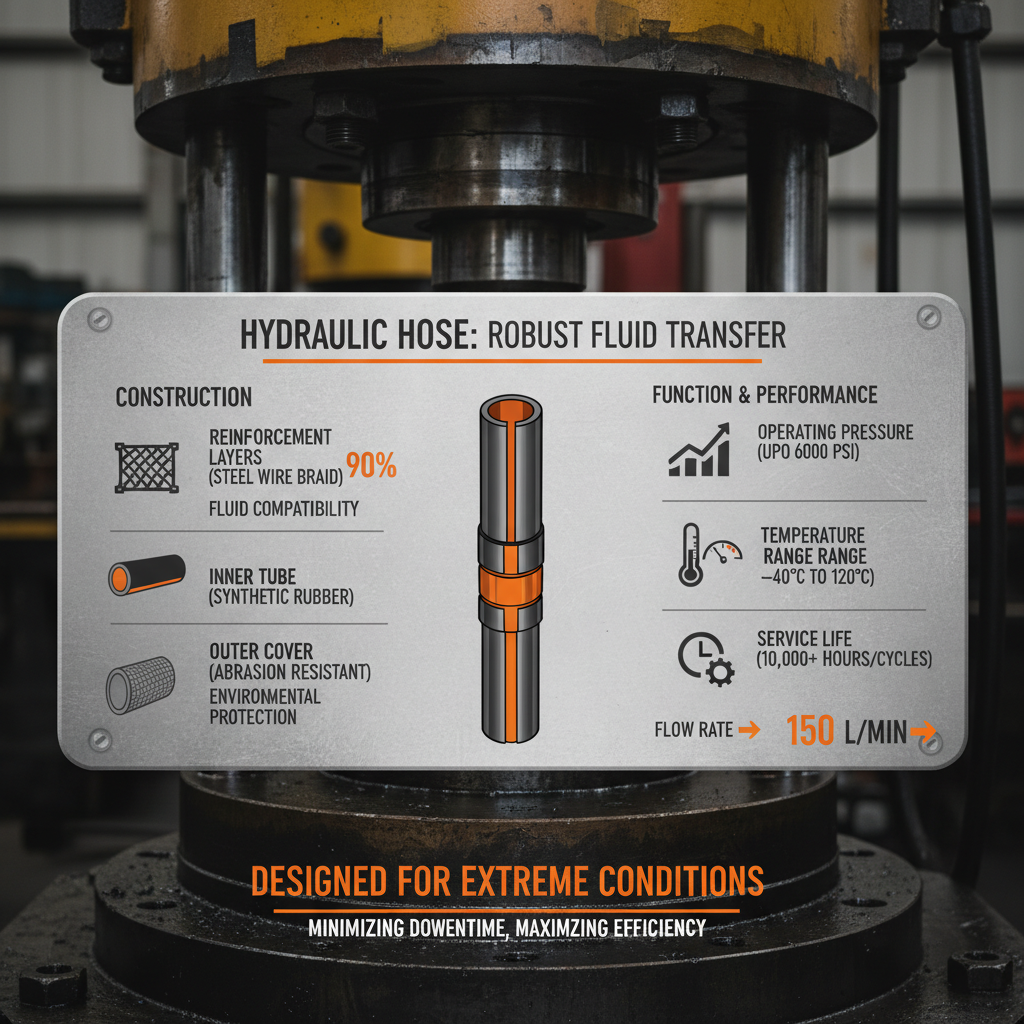
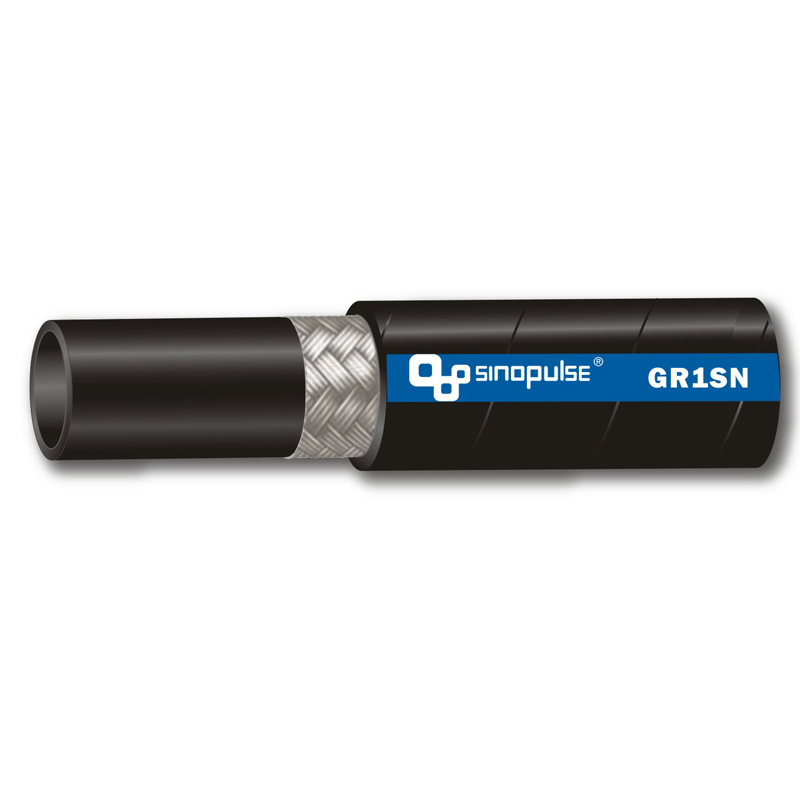
The materials used in a 1 hydraulic hose directly impact its performance and durability. Key components and their common materials include:
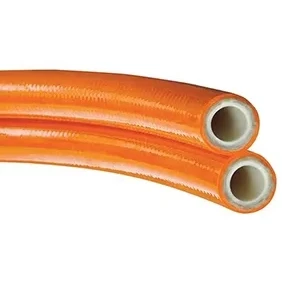
- Inner Tube: Typically made of synthetic rubber (NBR, EPDM, PTFE) to ensure compatibility with the hydraulic fluid.
- Reinforcement: Usually high-strength steel wire, providing pressure resistance.
- Outer Cover: Often made of synthetic rubber (SBR) to protect against abrasion, oil, and weathering.
Understanding the fluid compatibility of the inner tube is vital to prevent swelling, degradation, or cracking. For example, EPDM is frequently used with phosphate ester fluids, while NBR is suitable for petroleum-based hydraulic oils.
Material Benefits:
• NBR: Excellent resistance to petroleum-based fluids.
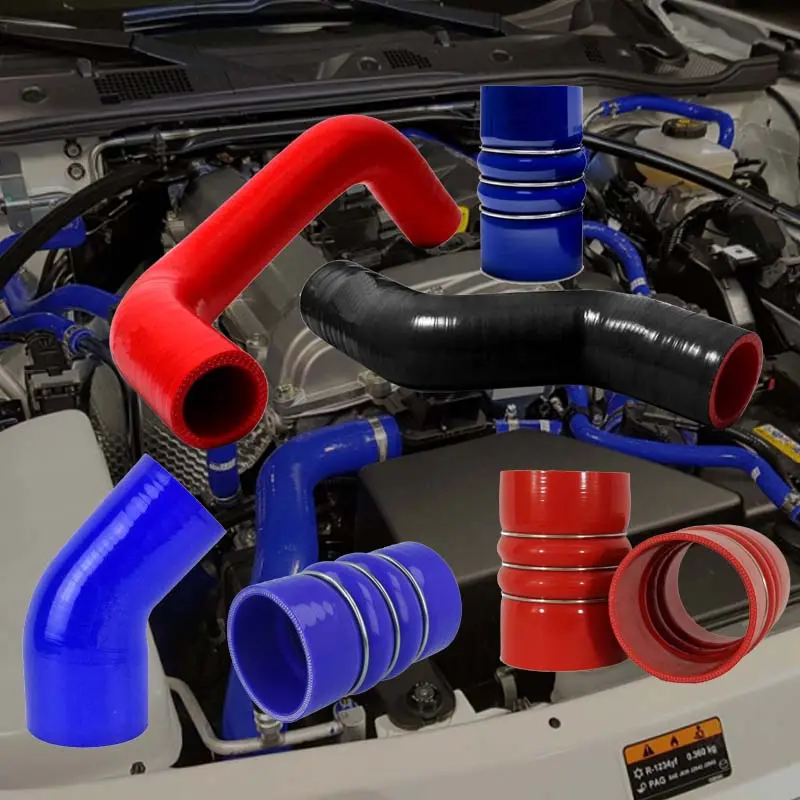
• EPDM: Superior resistance to heat, ozone, and weathering.
• PTFE: Exceptional chemical resistance and high-temperature performance.
Selecting the Correct 1 Hydraulic Hose: Key Specifications
Choosing the right hose requires careful attention to its specifications. Here's a comparison of key parameters:
Proper Installation and Maintenance of Your 1 Hydraulic Hose
Correct installation and regular maintenance are crucial for maximizing the lifespan and performance of your 1 hydraulic hose. This includes:
- Avoiding Kinking: Sharp bends can damage the hose’s reinforcement.
- Proper Routing: Securely route the hose to prevent abrasion and chafing.
- Regular Inspection: Check for cracks, leaks, and wear.
- Correct Fittings: Use properly sized and compatible fittings.
Following these best practices will minimize the risk of failure and ensure a reliable hydraulic system. For assistance with selecting the correct hose or for installation guidance, the experts at HydHoses.com are always available to help.
Why Choose HydHoses.com for Your 1 Hydraulic Hose Needs?
At HydHoses.com, we offer a comprehensive selection of 1 hydraulic hoses, fittings, and accessories. We’re committed to providing high-quality products, expert technical support, and competitive pricing. We understand the importance of reliable hydraulic systems and strive to be your trusted partner. We also specialize in custom hose assemblies to meet your unique application requirements.
Conclusion: Ensuring Optimal Performance with the Right Hydraulic Hose
Selecting the right 1 hydraulic hose is crucial for the efficient and safe operation of your hydraulic systems. By considering the factors outlined in this article – hose type, materials, specifications, and proper maintenance – you can ensure optimal performance and minimize downtime. Trust HydHoses.com as your reliable source for high-quality hydraulic solutions.
Frequently Asked Questions (FAQs)
What is the importance of pressure rating when selecting a 1 hydraulic hose?
The pressure rating indicates the maximum pressure the hose can safely withstand. Selecting a hose with a pressure rating lower than the system's operating pressure can lead to catastrophic failure. It’s crucial to choose a hose with a pressure rating that exceeds the maximum system pressure, providing a safety margin. A good rule of thumb is to select a hose with a rating at least 4 times the maximum working pressure of your system.
How do I determine the correct hose length?
Accurate hose length is essential to avoid stress on the connections. Measure the direct distance between the connection points. Add slack for movement and avoid excessive bending or kinking. It’s generally better to have a slightly longer hose than one that is too short. Overly tight hoses can experience premature failure due to stress and strain.
What are the signs that a 1 hydraulic hose needs to be replaced?
Signs of hose degradation include cracks in the cover, blistering, abrasions, kinks, leaks, and swelling. If you notice any of these signs, the hose should be replaced immediately. Also, replace any hose that has been subjected to excessive heat, chemicals, or physical damage. Regular visual inspections are crucial for identifying potential problems before they lead to failure.
Can I repair a damaged 1 hydraulic hose?
Generally, repairing a hydraulic hose is not recommended. While temporary fixes might seem appealing, they can compromise the hose’s integrity and lead to a sudden failure. It's always best to replace a damaged hose with a new one. The cost of replacement is significantly less than the potential cost of downtime, fluid loss, and safety hazards associated with a hose failure.
Product Application