

Hydraulic Hoses for Sale: A Comprehensive Guide
Finding the right hydraulic hoses for sale is crucial for the efficient and safe operation of heavy machinery. At Hydhoses.com, we provide a wide range of high-quality hydraulic hoses designed to meet diverse industrial needs. This article will cover everything you need to know about hydraulic hoses, including types, applications, choosing the right hose, and where to buy. Understanding these factors will ensure you select the best hoses for your specific requirements, optimizing performance and minimizing downtime.
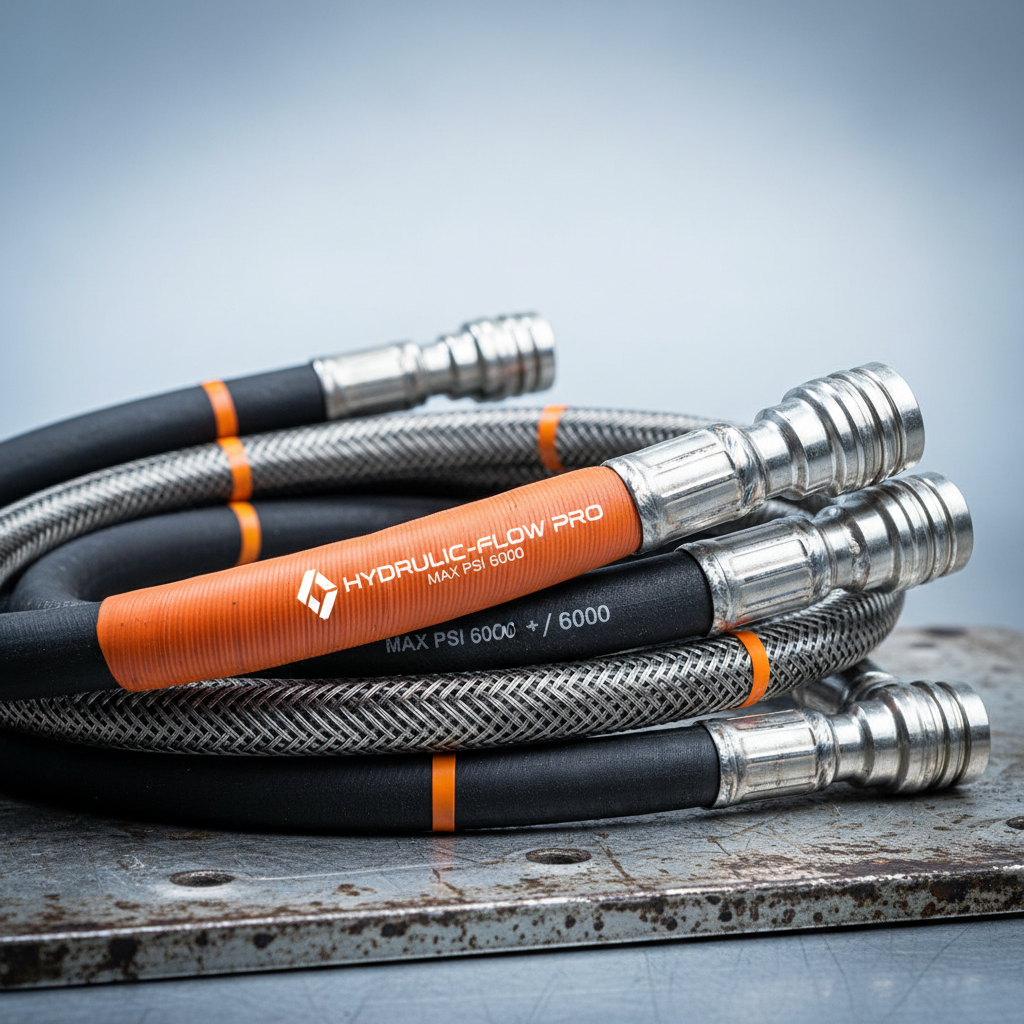
Understanding Hydraulic Hoses
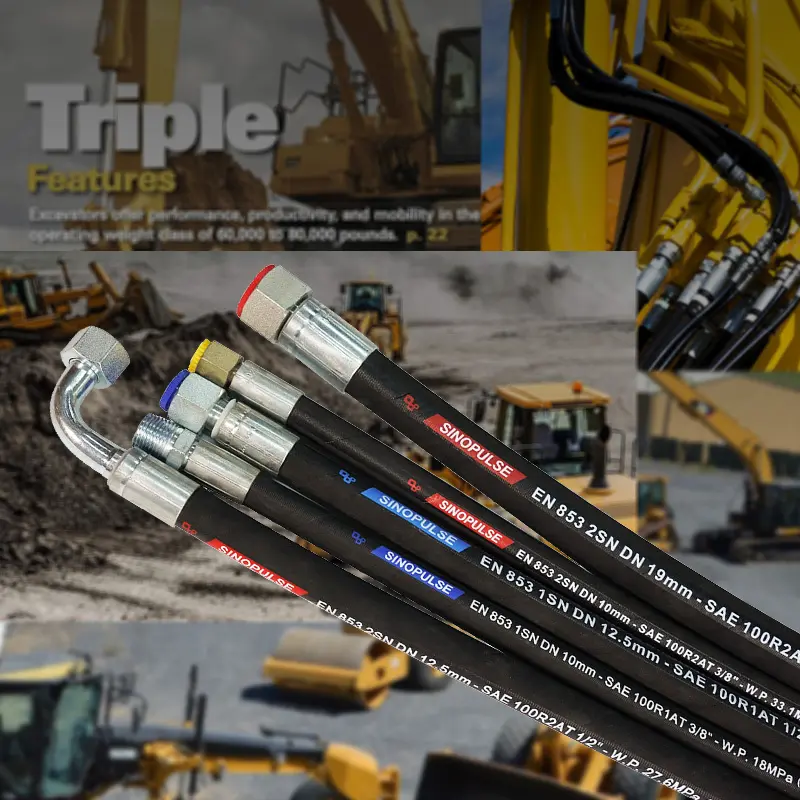
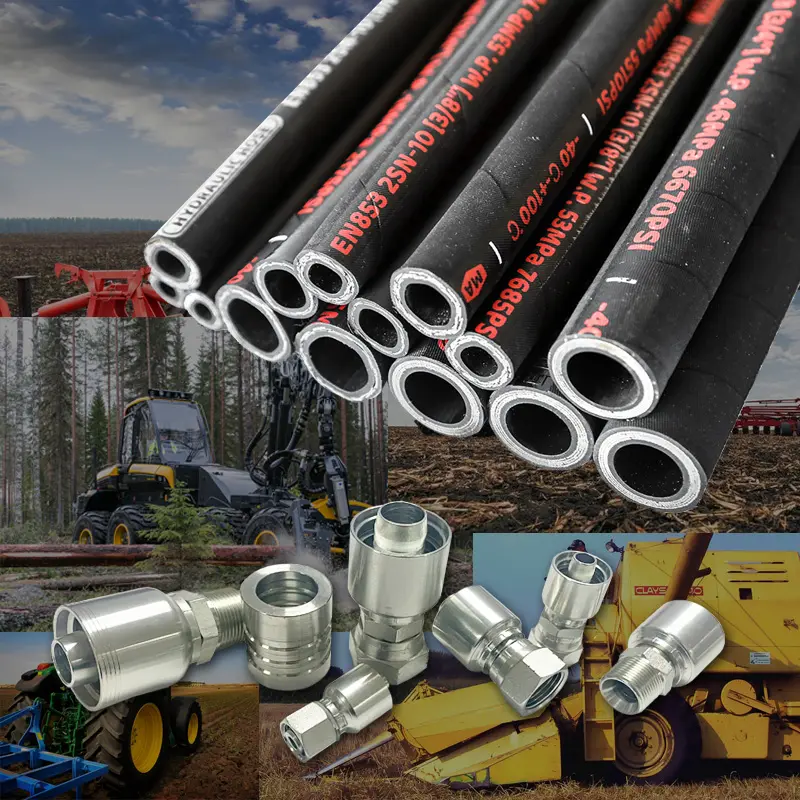
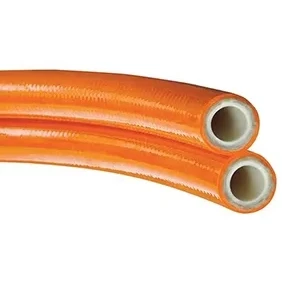
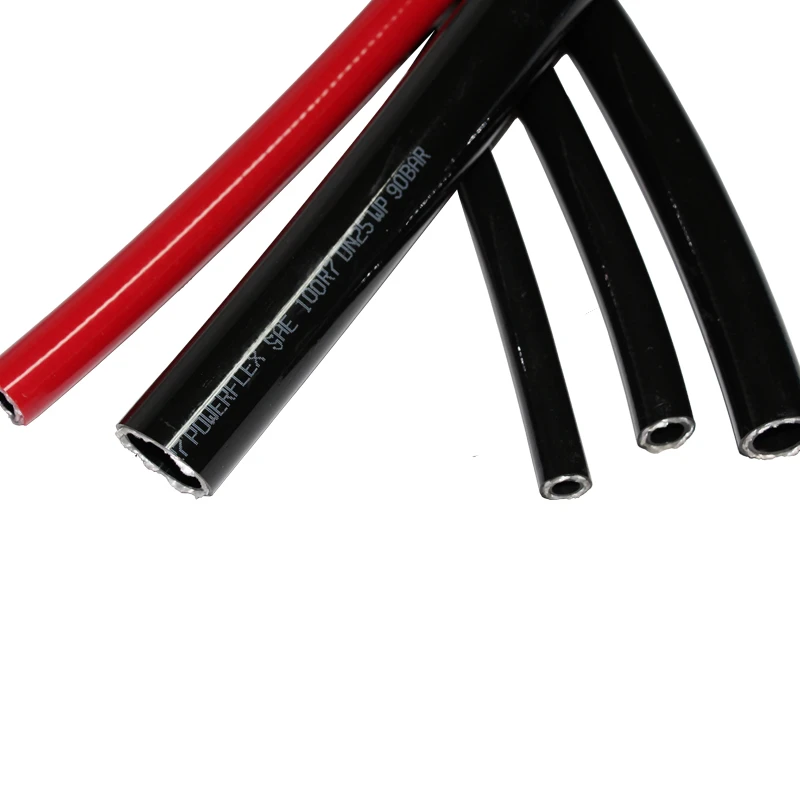
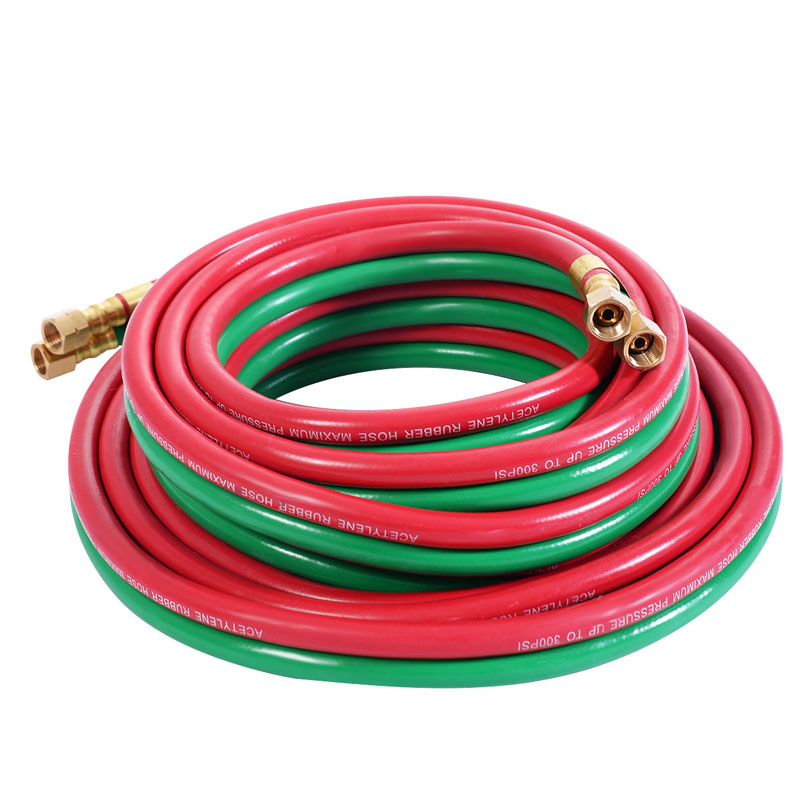
Hydraulic hoses are engineered to transmit hydraulic fluid, powering a vast array of equipment, from construction machinery and agricultural vehicles to industrial manufacturing processes. These hoses are not simply conduits; they are critical components designed to withstand extreme pressures, temperatures, and potentially abrasive environments. Different hose constructions, reinforcement materials, and end fittings cater to varying application demands. Choosing the correct hose is vital for preventing leaks, ensuring efficient power transfer, and maintaining operator safety. Proper maintenance, including regular inspection and replacement, is also crucial for extending hose life and preventing costly failures.
Key Considerations: Choosing the right hose involves considering pressure ratings, temperature ranges, fluid compatibility, and environmental factors.
Types of Hydraulic Hoses Available for Sale
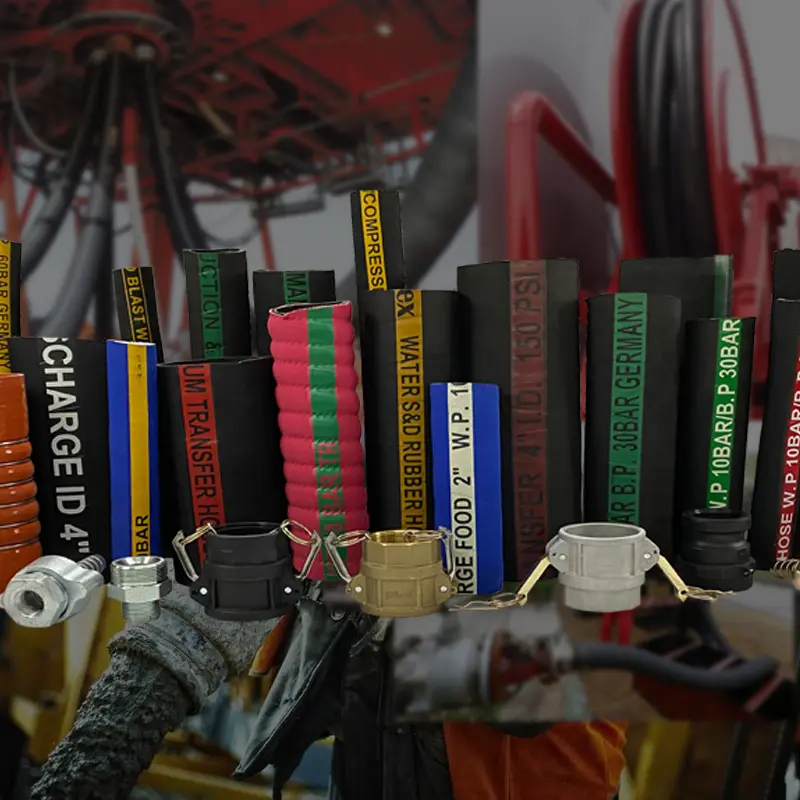
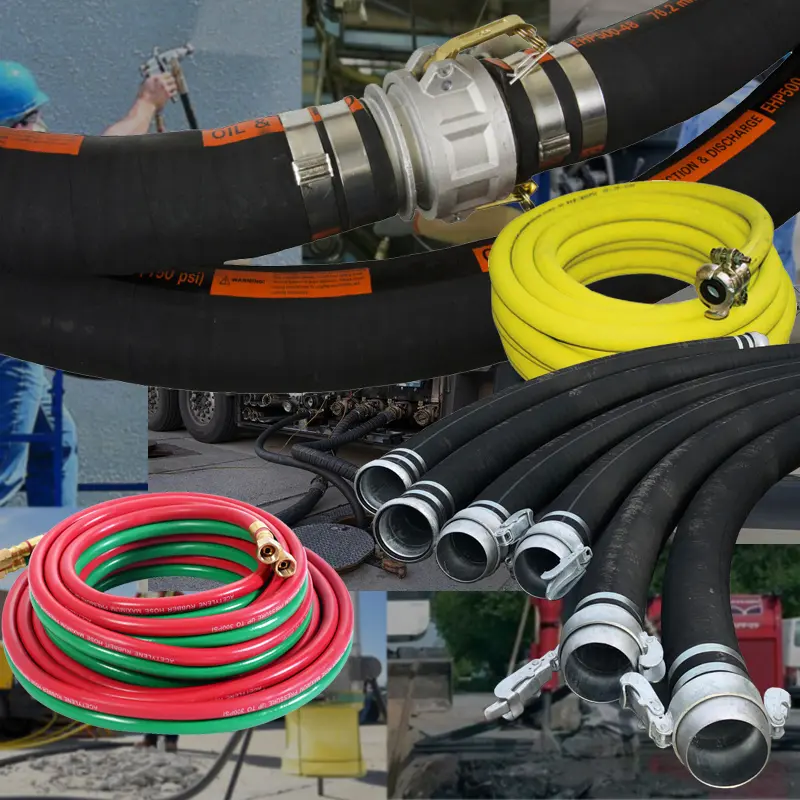
Several types of hydraulic hoses for sale cater to specific needs. Common types include:
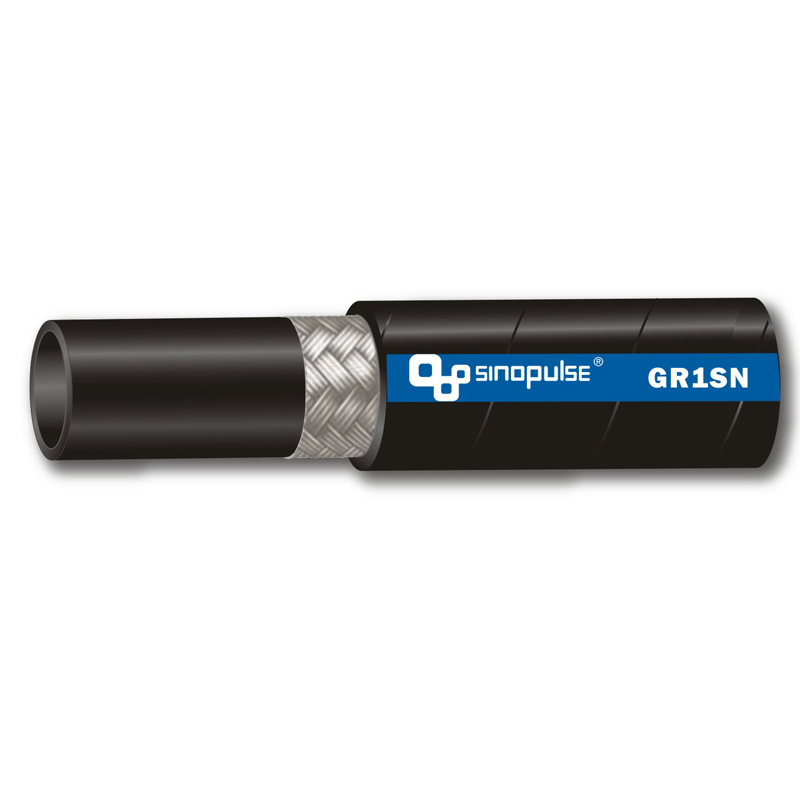
- Wire-Braided Hoses: These are the most common type, offering good strength and flexibility.
- Spiral-Wound Hoses: Designed for high-pressure applications, providing exceptional strength and resistance to kinking.
- Thermoplastic Hoses: Lightweight and suitable for low to medium pressure applications.
- Rubber Hoses: Offer excellent flexibility and are commonly used in general-purpose hydraulic systems.
Each type has specific advantages depending on the operational environment and equipment requirements.
Hose Type Benefits:
• Wire-Braided: Good strength, flexibility, and cost-effectiveness.
• Spiral-Wound: Exceptional strength, high-pressure capacity, kink resistance.
• Thermoplastic: Lightweight, suitable for lower pressures, corrosion resistance.
• Rubber: Excellent flexibility, good for general-purpose applications.
Hydraulic Hose Pressure Ratings and Specifications
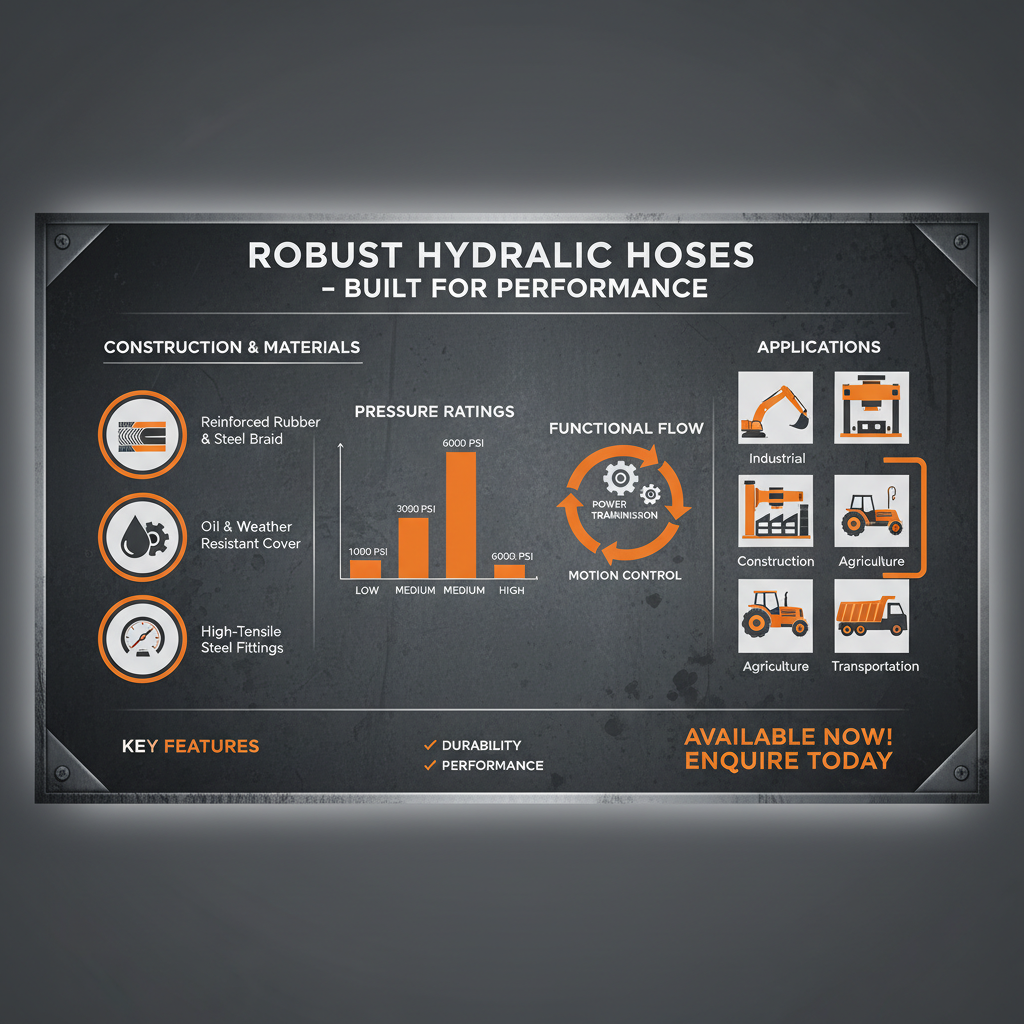
Understanding hydraulic hose pressure ratings is paramount for safe and effective operation. Hoses are typically rated in PSI (pounds per square inch) or BAR. It's crucial to select a hose with a pressure rating that exceeds the maximum operating pressure of the hydraulic system. Here's a comparative table illustrating common pressure ratings and corresponding applications:
Choosing the Right Hydraulic Hose: Key Factors
Selecting the appropriate hydraulic hose requires careful consideration of several factors. The operating pressure of the system is paramount. Temperature extremes, fluid compatibility (oil type, chemicals), and the physical environment (abrasion, UV exposure) all play a role. Choosing the correct end fittings is equally crucial, ensuring a secure and leak-proof connection. At Hydhoses.com, we offer expert guidance to help you choose the optimal hose for your specific application.
Why Buy Hydraulic Hoses from Hydhoses.com?
At Hydhoses.com, we are committed to providing high-quality hydraulic hoses, competitive pricing, and exceptional customer service. We stock a comprehensive inventory to meet your immediate needs, and our knowledgeable team is always available to offer technical support and assistance. We offer fast shipping and a satisfaction guarantee, ensuring you receive the products and service you deserve.
Conclusion: Find the Right Hydraulic Hose for Your Needs
Investing in quality hydraulic hoses is critical for the reliability and safety of your equipment. Hydhoses.com provides a comprehensive selection, expert guidance, and competitive pricing. Browse our catalog today and experience the difference!
Frequently Asked Questions (FAQs)
What is the lifespan of a hydraulic hose?
The lifespan of a hydraulic hose varies depending on operating conditions, fluid compatibility, and maintenance. Generally, hoses should be inspected regularly and replaced every 5-7 years, or sooner if any signs of wear, damage, or leakage are observed. Factors like extreme temperatures, abrasion, and exposure to chemicals can significantly shorten the lifespan. Proper storage when not in use is also crucial.
How do I choose the correct hose size?
Choosing the correct hose size is essential for optimal performance and safety. You need to consider the flow rate requirements of the system and the pressure drop limitations. The hose’s inner diameter (ID) determines the flow capacity, while the outer diameter (OD) needs to be compatible with the fittings. Refer to hydraulic system schematics and consult with a hydraulics specialist to determine the appropriate hose size for your specific application. Using a hose that is too small will restrict flow and increase pressure drop, while a hose that is too large may be unnecessarily bulky and expensive.
What are the common causes of hydraulic hose failure?
Common causes of hydraulic hose failure include exceeding the pressure rating, abrasion from rubbing against other components, kinking or twisting, improper installation, fluid incompatibility, and exposure to extreme temperatures. Regular inspection can help identify potential issues before they lead to catastrophic failure. Replacing worn or damaged hoses promptly is critical for maintaining system safety and preventing costly downtime.
What types of fittings are available for hydraulic hoses?
Various types of fittings are available, including threaded fittings, flanged fittings, and quick-disconnect couplings. The choice of fitting depends on the application's pressure requirements, the type of hose being used, and the desired level of convenience. It’s essential to use fittings that are specifically designed for hydraulic hoses and are compatible with the hose material and fluid being used. Improperly fitted connections are a common cause of leaks and hose failures.
Product Application