

Understanding the 1 1/4 Hydraulic Hose: A Comprehensive Guide
When dealing with hydraulic systems, choosing the right hose is crucial for efficiency and safety. The 1 1/4 hydraulic hose is a commonly used size, offering a balance between flow capacity and flexibility. This article will explore the features, applications, and considerations when selecting a 1 1/4 inch hydraulic hose. Understanding these aspects will help you make informed decisions for your hydraulic projects. We will dive deep into specifications, materials, and safety protocols to ensure you have a solid understanding of this essential component.
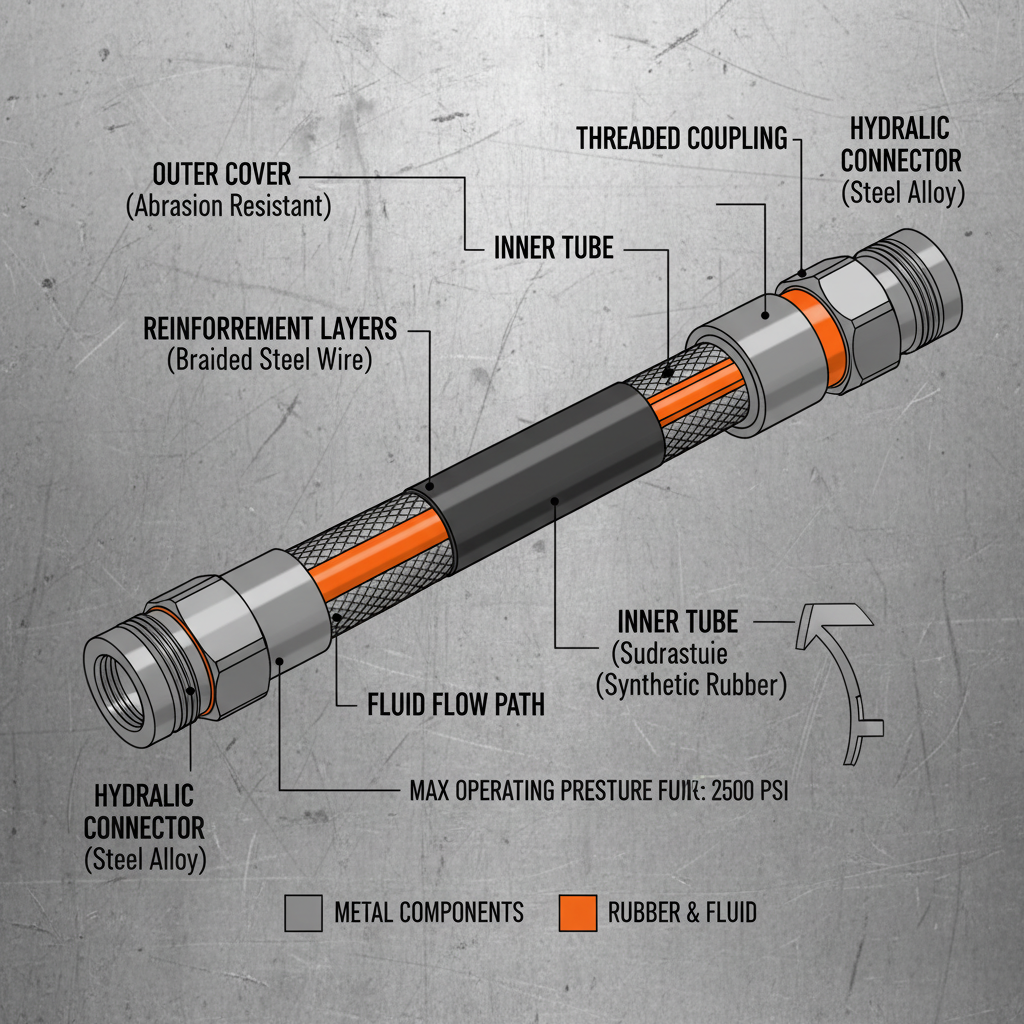
What Defines a 1 1/4 Hydraulic Hose?
The "1 1/4" designation refers to the hose's inner diameter (ID) in inches. This dimension dictates the amount of fluid the hose can transmit. A 1 1/4 inch ID translates to approximately 31.75 millimeters. However, it's essential to consider the outer diameter (OD) and the wall thickness when selecting a hose. The OD determines the hose's fit within fittings and routing constraints, while the wall thickness impacts its pressure rating and durability. These hoses are designed for medium-pressure applications and are available in various materials, including rubber and thermoplastic.
Key Takeaway: The 1 1/4 inch size balances flow rate and flexibility, making it a versatile choice for many hydraulic applications.
Applications of the 1 1/4 Hydraulic Hose
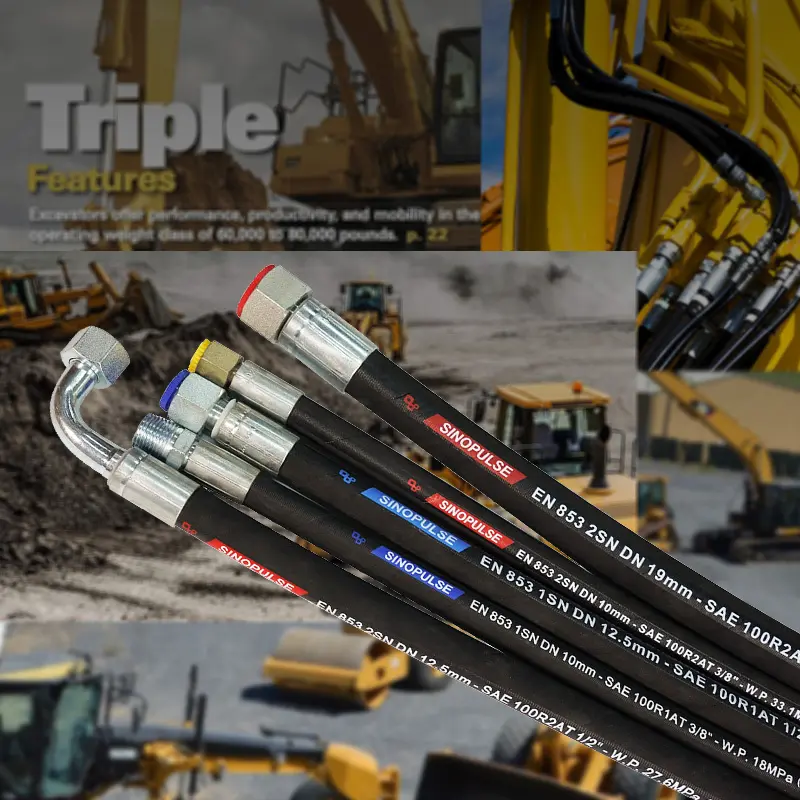
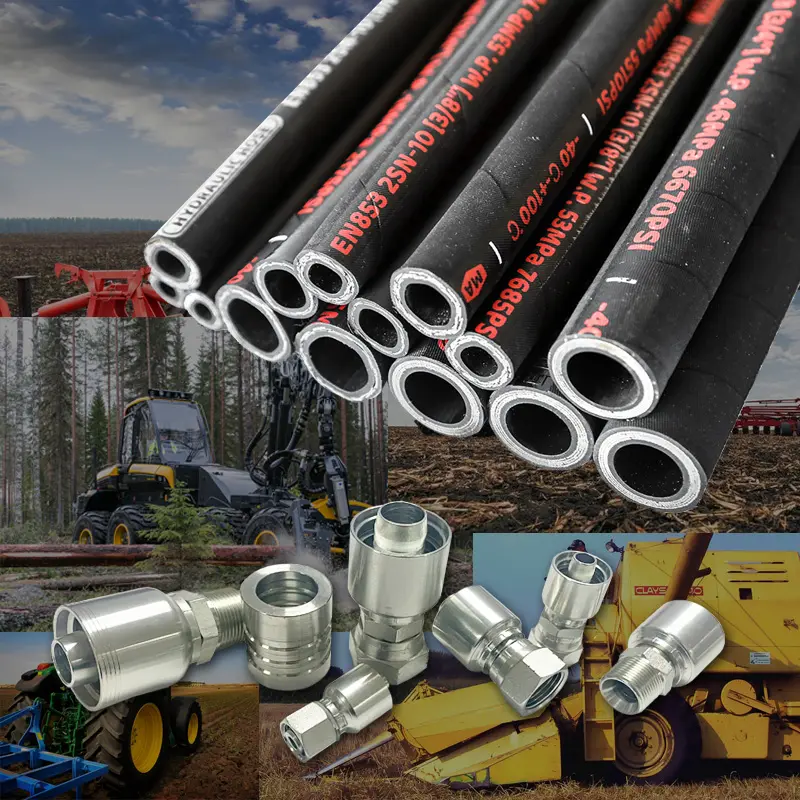
The 1 1/4 hydraulic hose finds extensive use in various industries. Common applications include construction equipment (excavators, loaders, bulldozers), agricultural machinery (tractors, harvesters), industrial manufacturing (hydraulic presses, injection molding machines), and material handling equipment (forklifts, cranes). Due to its robust construction, it's also often used in mobile hydraulic systems where hoses are subject to bending, vibration, and exposure to harsh environments. Its reliability and durability make it a preferred choice for demanding applications.
Common Industry Applications:
• Construction Equipment
• Agricultural Machinery
• Industrial Manufacturing
• Material Handling
Materials Used in 1 1/4 Hydraulic Hose Construction
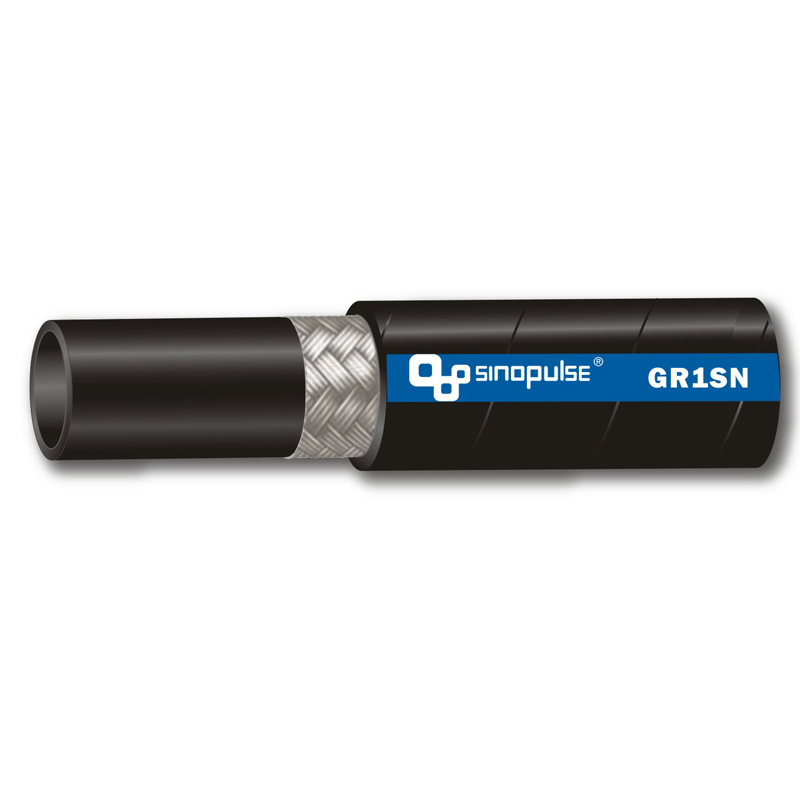
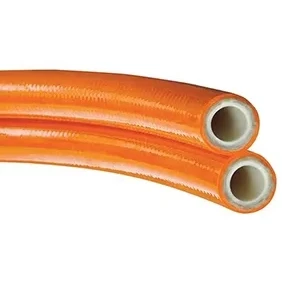
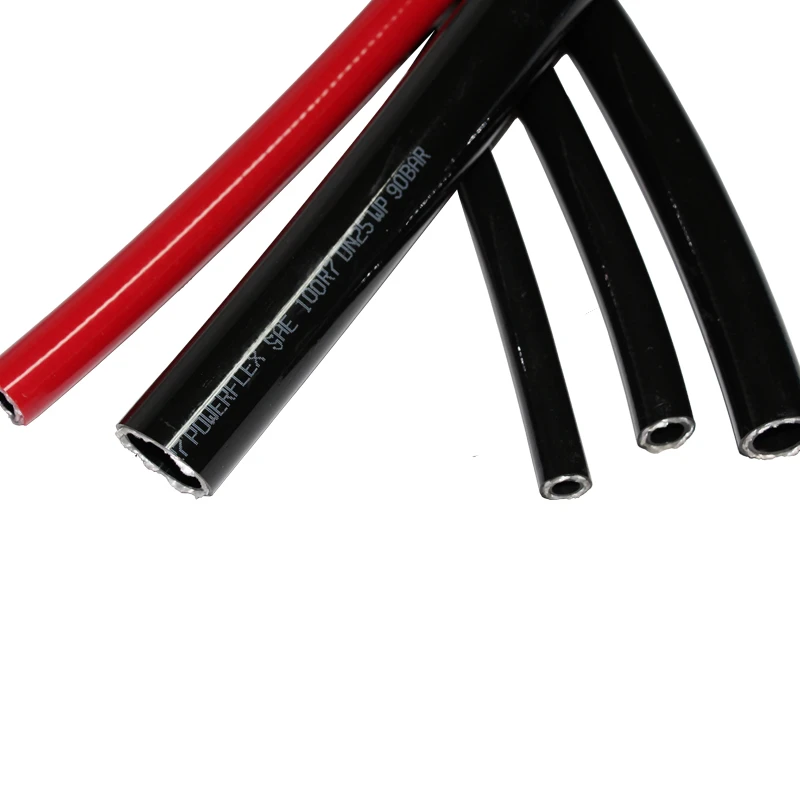
The material composition of a 1 1/4 hydraulic hose significantly impacts its performance characteristics. Common materials include synthetic rubber (NBR, SBR), thermoplastic polyurethane (TPU), and polyethylene. Rubber hoses are known for their flexibility and resistance to abrasion, while TPU hoses offer excellent chemical resistance and higher pressure ratings. The reinforcement layer, typically braided steel or spiral wire, provides the hose with its strength and resistance to bursting. The cover layer protects the hose from external damage and environmental factors.
Selecting the Right 1 1/4 Hydraulic Hose for Your Needs
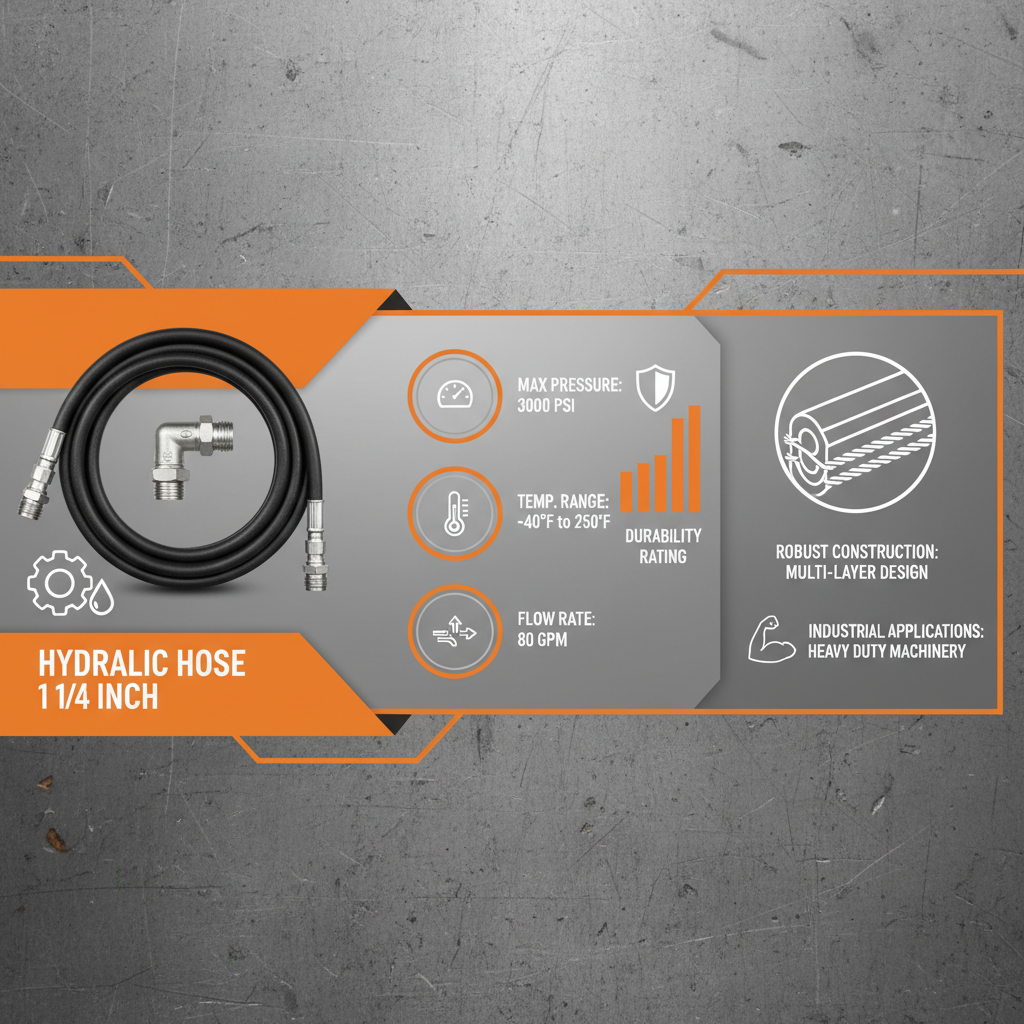
Choosing the right hose involves considering several factors. First, determine the working pressure of your system and select a hose with a sufficient pressure rating. Next, consider the fluid compatibility – ensure the hose material is compatible with the hydraulic fluid being used. Temperature range is also crucial; select a hose that can withstand the operating temperature. Finally, assess the physical environment; if the hose will be exposed to abrasion, chemicals, or extreme temperatures, choose a hose with appropriate protective features. You can find the perfect hydraulic hose for your specific requirements on our website.
Safety Considerations When Using 1 1/4 Hydraulic Hose
Hydraulic systems operate under high pressure, making safety paramount. Always ensure hoses are properly installed and secured with appropriate fittings. Regularly inspect hoses for signs of wear, damage, or leaks. Never exceed the hose's maximum pressure rating. When disconnecting hoses, always relieve the pressure first. Use proper personal protective equipment (PPE), such as safety glasses and gloves, when working with hydraulic systems. Proper maintenance and adherence to safety protocols are essential for preventing accidents and ensuring the reliable operation of your hydraulic equipment.
Conclusion: Choosing the Right 1 1/4 Hydraulic Hose
Selecting the right 1 1/4 hydraulic hose is critical for optimal system performance and safety. By understanding the different materials, applications, and safety considerations, you can make an informed decision that meets your specific needs. At Hydhoses.com, we offer a wide selection of high-quality hydraulic hoses to ensure you find the perfect solution for your projects.
Frequently Asked Questions (FAQs)
What is the maximum working pressure for a 1 1/4 hydraulic hose?
The maximum working pressure varies depending on the hose's construction – specifically, the materials used and the type of reinforcement. Generally, a 1 1/4 inch hydraulic hose can handle pressures ranging from 2000 PSI to 4000 PSI or even higher. However, it’s crucial to always check the hose’s specification label for the exact pressure rating. Exceeding the rated pressure can lead to hose failure, resulting in dangerous leaks and potential injuries. We always recommend using a safety factor and staying well below the maximum working pressure for optimal reliability and longevity.
How often should I replace my hydraulic hoses?
While there’s no fixed schedule, regular inspection is critical. A good practice is to visually inspect hoses at least every six months. Look for cracks, abrasions, blistering, or any signs of damage. Replace hoses immediately if any damage is found. Even without visible damage, hoses should be replaced every 5-7 years as the materials degrade over time. Hoses operating in harsh environments (high temperatures, exposure to chemicals) should be inspected more frequently and replaced sooner. Keeping a maintenance log can help track replacement schedules.
What are the common causes of hydraulic hose failure?
Common causes include exceeding the pressure rating, improper installation (tight bends, twisting), abrasion from rubbing against other components, exposure to extreme temperatures or incompatible fluids, and aging of the hose materials. Also, incorrect fittings can contribute to leaks and premature failure. Preventive maintenance, including regular inspections and proper installation techniques, can significantly reduce the risk of hose failures. Using high-quality hoses and fittings designed for your specific application is also essential.
Can I repair a damaged hydraulic hose?
While minor abrasions can sometimes be protected with a sleeve, it is generally not recommended to repair a damaged hydraulic hose, especially if the damage affects the reinforcement layer. Attempting to repair a hose can compromise its structural integrity and create a significant safety hazard. A failed hose under pressure can result in a high-velocity fluid injection injury. The safest and most reliable solution is to replace the damaged hose with a new one. Using certified assembly facilities for hose replacement is highly recommended to ensure proper fittings and safety protocols are followed.
Product Application