

The Ultimate Guide to Low Pressure Hydraulic Hose Selection
In the world of fluid power, not every application requires extreme pressure. While high-pressure systems often get the spotlight, the low pressure hydraulic hose plays a critical role in the efficient transport of lubricants, coolants, and return lines. Selecting the right hose is not just about cost-saving; it is about ensuring system longevity and preventing premature failures that can lead to costly downtime. Understanding the material composition, pressure ratings, and environmental factors is essential for any engineer or procurement manager. In this guide, we will explore the nuances of low-pressure solutions to help you optimize your industrial operations.
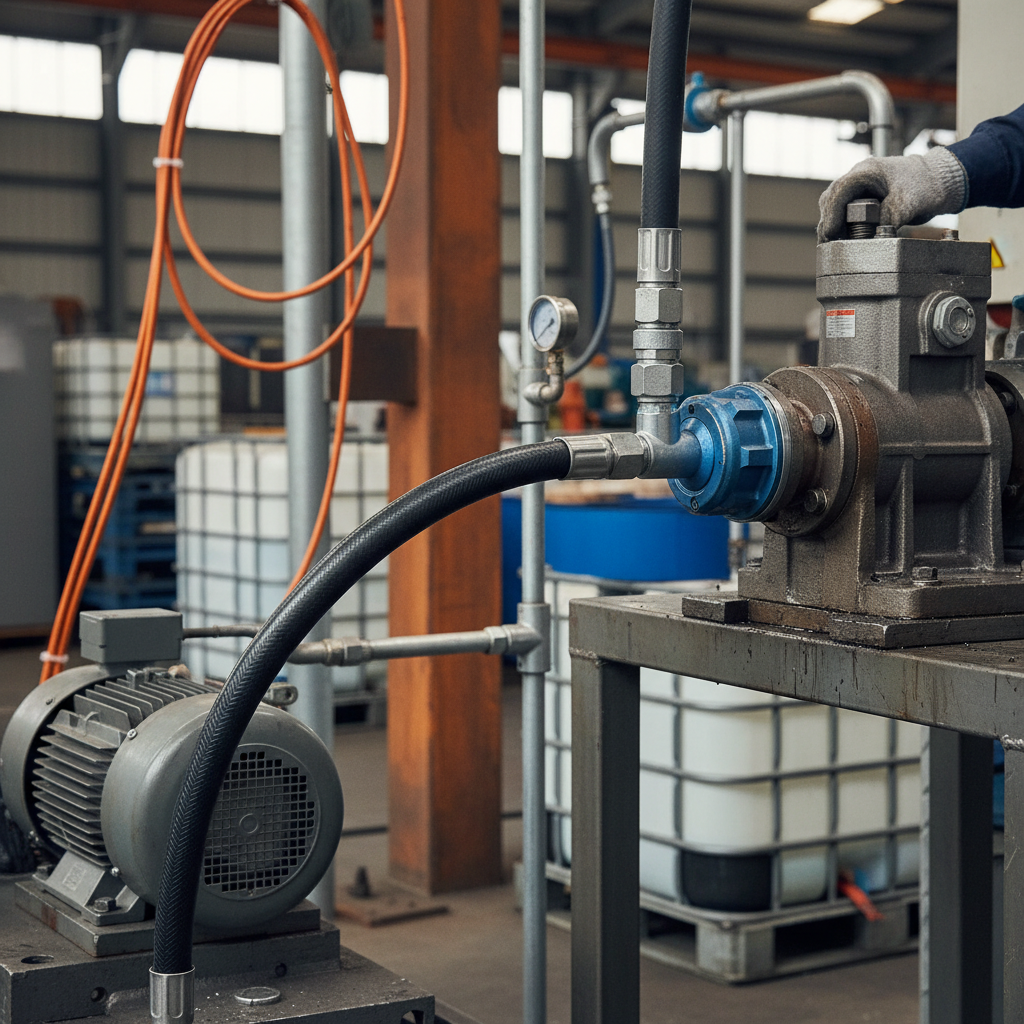
Understanding the Role of Low Pressure Hydraulic Hose
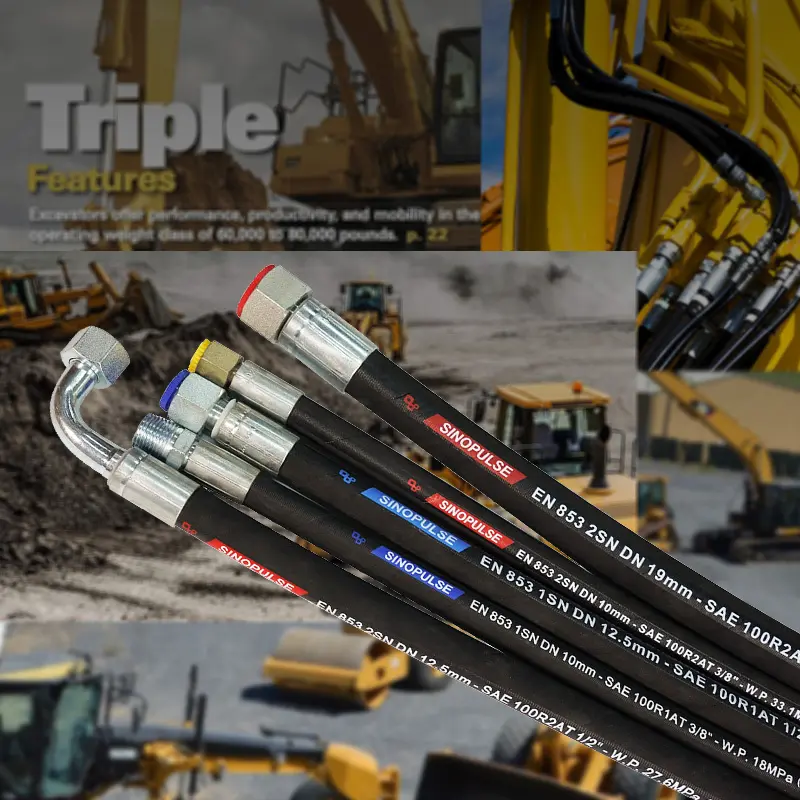
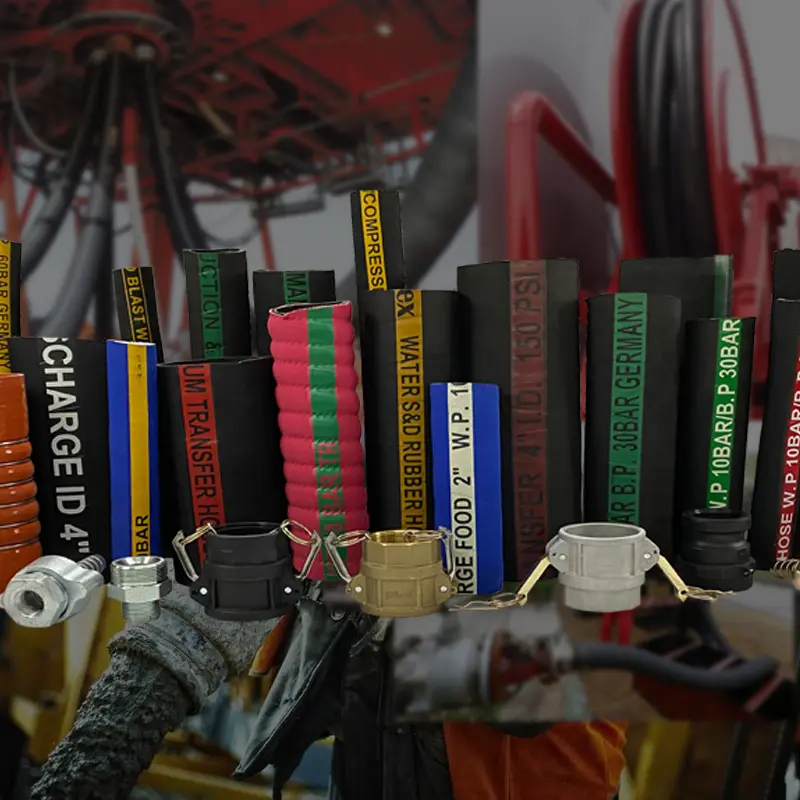
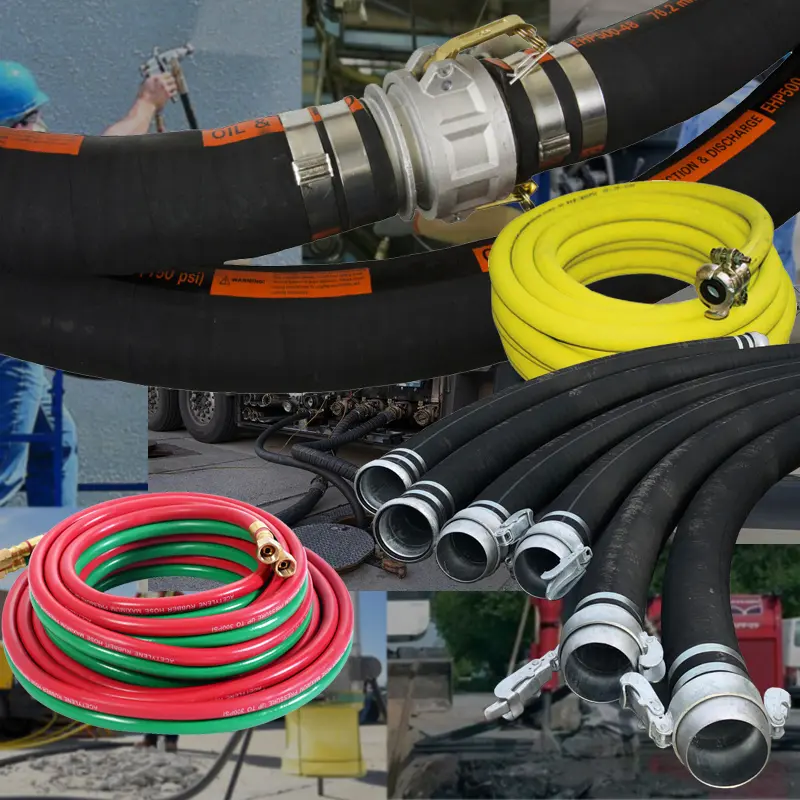
A low pressure hydraulic hose is typically designed for applications where the working pressure is significantly lower than that of main power lines. These hoses are frequently used as suction lines, where the pump draws fluid from a reservoir, or as return lines that carry fluid back to the tank after it has performed its work. Unlike high-pressure hoses that require heavy steel braiding, low-pressure versions prioritize flexibility and flow volume. This makes them easier to route through tight machinery spaces while maintaining a leak-proof seal.
Industry Tip: Always ensure that a suction hose is rated for vacuum conditions to prevent the hose from collapsing inward, which could starve the pump of oil and cause catastrophic failure.
Key Materials Used in Low Pressure Hoses
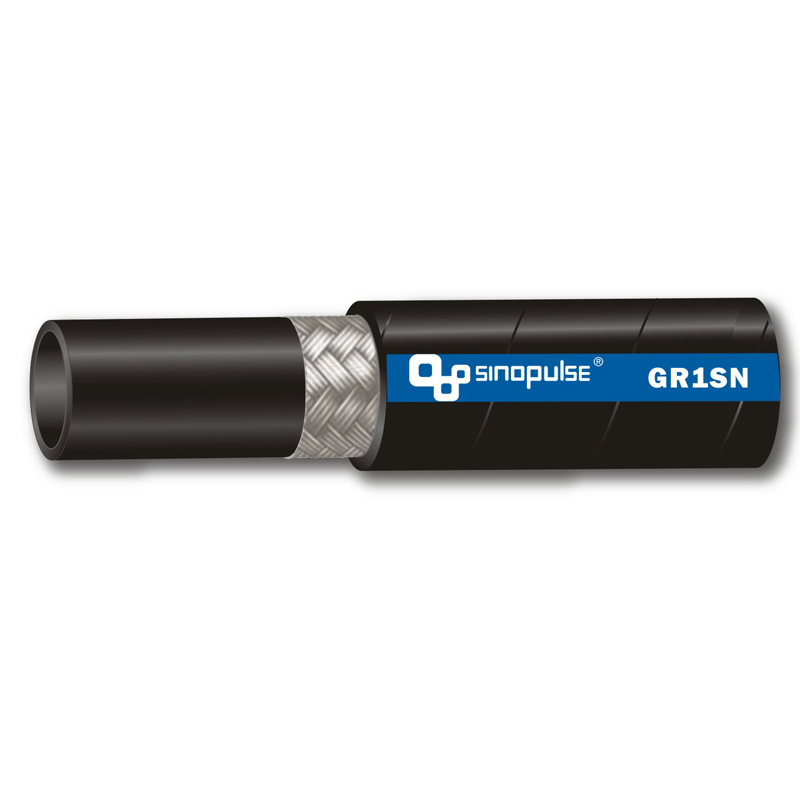
The performance of a low pressure hydraulic hose depends heavily on its construction. Most are composed of a synthetic rubber inner tube, a reinforcement layer (which may be textile or a light spiral), and a protective outer cover. Common materials include Nitrile (NBR) for oil resistance and EPDM for weather and heat resistance. The goal is to balance the hose's ability to withstand chemical degradation while remaining pliable enough for installation and movement.
Common Material Benefits:
• Nitrile: Excellent compatibility with petroleum-based hydraulic oils.
• PVC: Cost-effective for non-critical, low-pressure fluid transfer.
•Textile Braiding: Provides structural integrity without sacrificing flexibility.
Comparing Low Pressure vs. High Pressure Hoses
Choosing between a low pressure hydraulic hose and a high-pressure alternative comes down to the "Pressure-Flow" trade-off. High-pressure hoses are reinforced with multiple layers of steel wire, making them rigid and heavy. In contrast, low-pressure hoses are lighter and offer a larger internal diameter relative to their outer size, which reduces friction loss during fluid transport. Using a high-pressure hose where a low-pressure one suffices is an unnecessary expense and can complicate routing due to the stiffer bend radius.
Common Applications for Low Pressure Hydraulic Hose
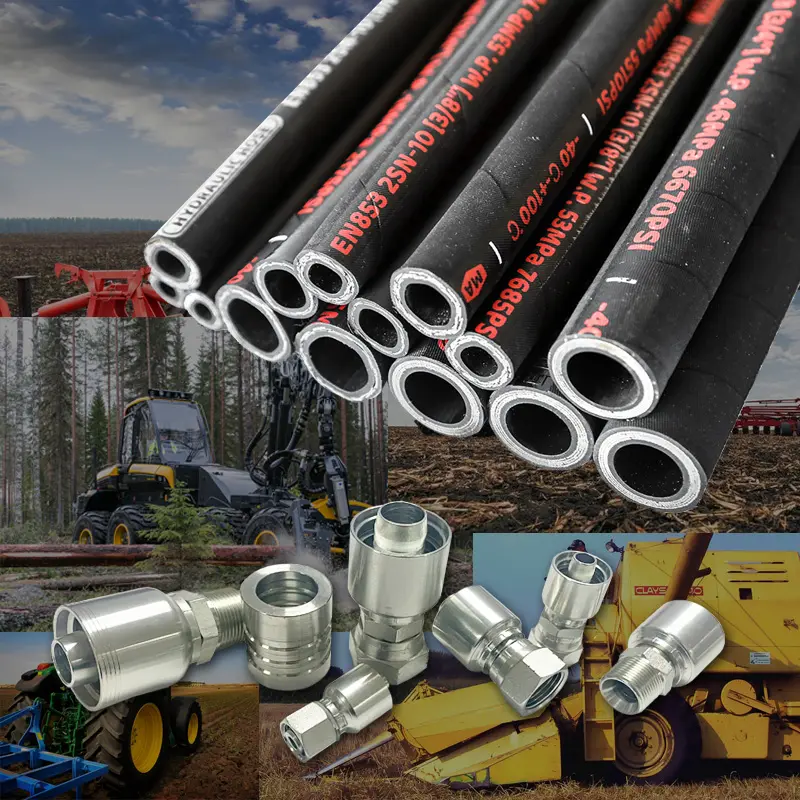
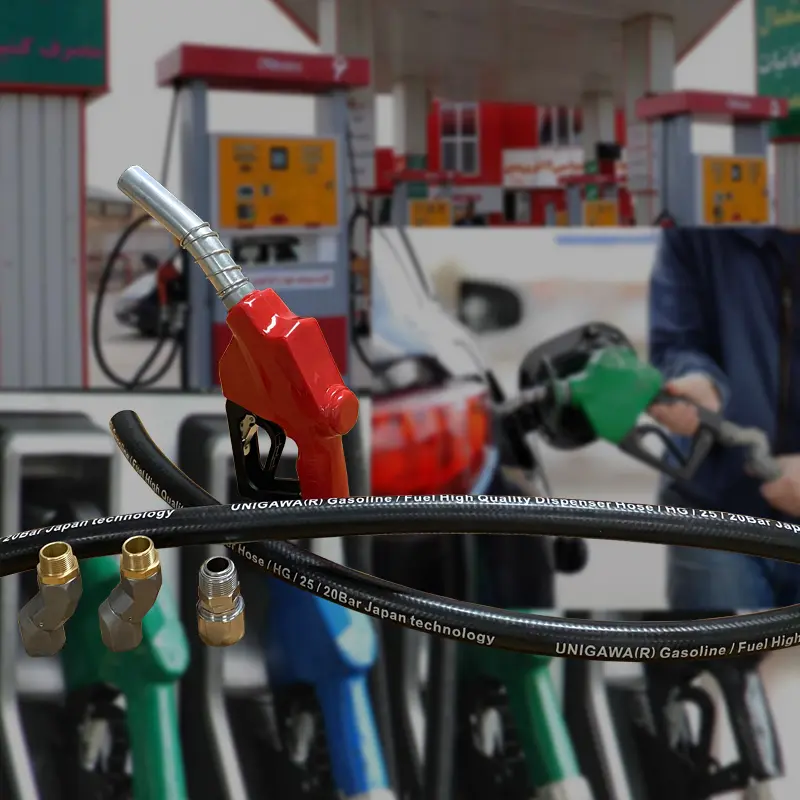
The versatility of a low pressure hydraulic hose allows it to be used across diverse sectors. In agricultural machinery, they are used for fluid transfer in tractors and harvesters. In industrial manufacturing, they serve as the lifeline for lubrication systems that keep conveyor belts and robotic arms moving smoothly. They are also essential in marine applications for bilge pumping and fuel transfer where the pressure is low but environmental resistance to salt is required.
Technical Specifications and Sizing
When ordering a low pressure hydraulic hose, you must consider the Inside Diameter (ID), Outside Diameter (OD), and the Maximum Working Pressure (MWP). Using a hose with too small an ID can cause cavitation in suction lines, while an oversized hose may be difficult to fit into existing clamps. Below is a standard specification table for common low-pressure sizes to guide your selection process:
Maintenance and Safety for Low Pressure Systems
Even though a low pressure hydraulic hose is not subject to extreme bursts, it is still prone to wear. Common issues include abrasion from rubbing against chassis parts and chemical degradation from exposure to incompatible oils. Regular inspections should focus on "bubbling" of the outer cover or softening of the rubber. Replacing a hose before it fails is always more cost-effective than cleaning up a massive oil spill and dealing with the resulting system contamination.
Conclusion: Optimizing Your System with Quality Hoses
The selection of a high-quality low pressure hydraulic hose is a fundamental part of any well-engineered fluid system. By prioritizing the correct materials, sizing, and pressure ratings, you can ensure a leak-free operation and extend the overall lifespan of your machinery. Whether you are managing a suction line for a heavy-duty pump or a return line for a cooling system, quality and compatibility are key. Invest in professional-grade hoses to maintain the efficiency and safety of your industrial environment.
Frequently Asked Questions (FAQs)
Can I use a low pressure hose for high pressure applications?
Absolutely not. Using a low pressure hose in a high-pressure environment is extremely dangerous and will lead to immediate failure. Low pressure hoses lack the steel reinforcement required to contain high-pressure fluids. This can result in a catastrophic burst, leading to potential equipment damage and severe worker injury. Always verify the Maximum Working Pressure (MWP) stamped on the hose before installation.
What is the difference between a suction hose and a return hose?
While both are types of low pressure hydraulic hose, they serve different purposes. A suction hose is designed to resist collapse under vacuum pressure as it pulls oil into the pump. A return hose is designed to handle the flow of oil back to the reservoir, which may involve slight pressure spikes. Suction hoses usually have a more robust reinforcement (like a steel wire helix) to prevent the hose from flattening during the suction phase.
How often should low pressure hoses be replaced?
There is no universal timeline, but a general rule is to perform a detailed inspection every 6 to 12 months. If the hose shows signs of cracking, hardening, or abrasion on the outer cover, it should be replaced immediately. In harsh environments—such as those with extreme heat or constant chemical exposure—replacement cycles may be shorter. Proactive replacement is the best strategy to prevent unplanned downtime.
Does the color of the hose indicate its pressure rating?
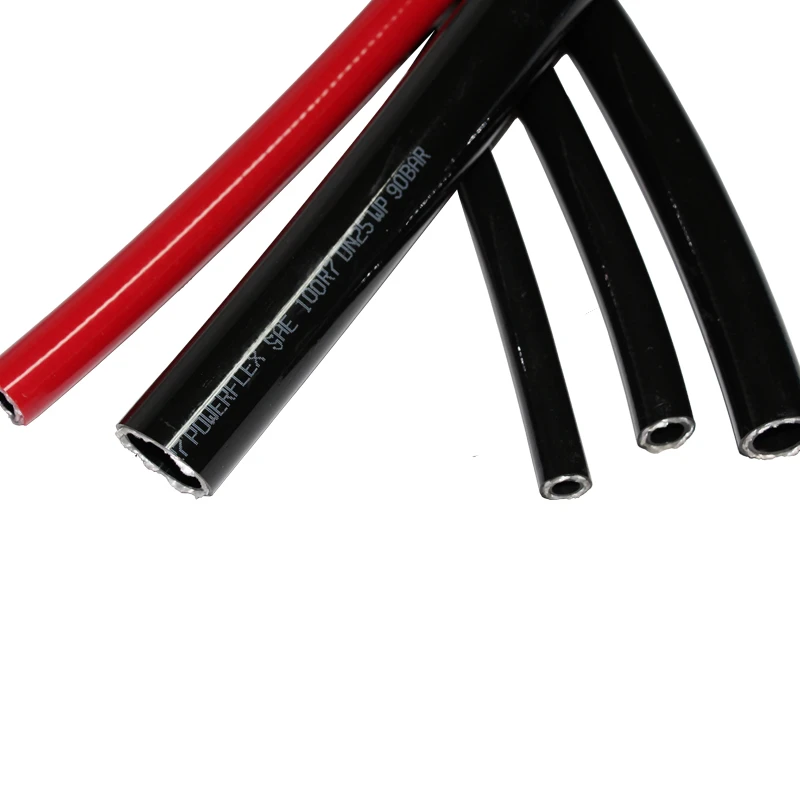
While some manufacturers use color-coding for internal organization, there is no global industry standard that links hose color to pressure rating. The only reliable way to determine the capacity of a hose is to check the specifications printed on the hose layline (the text running along the length of the hose) or to refer to the technical datasheet provided by the supplier at hydhoses.com.
Product Application