





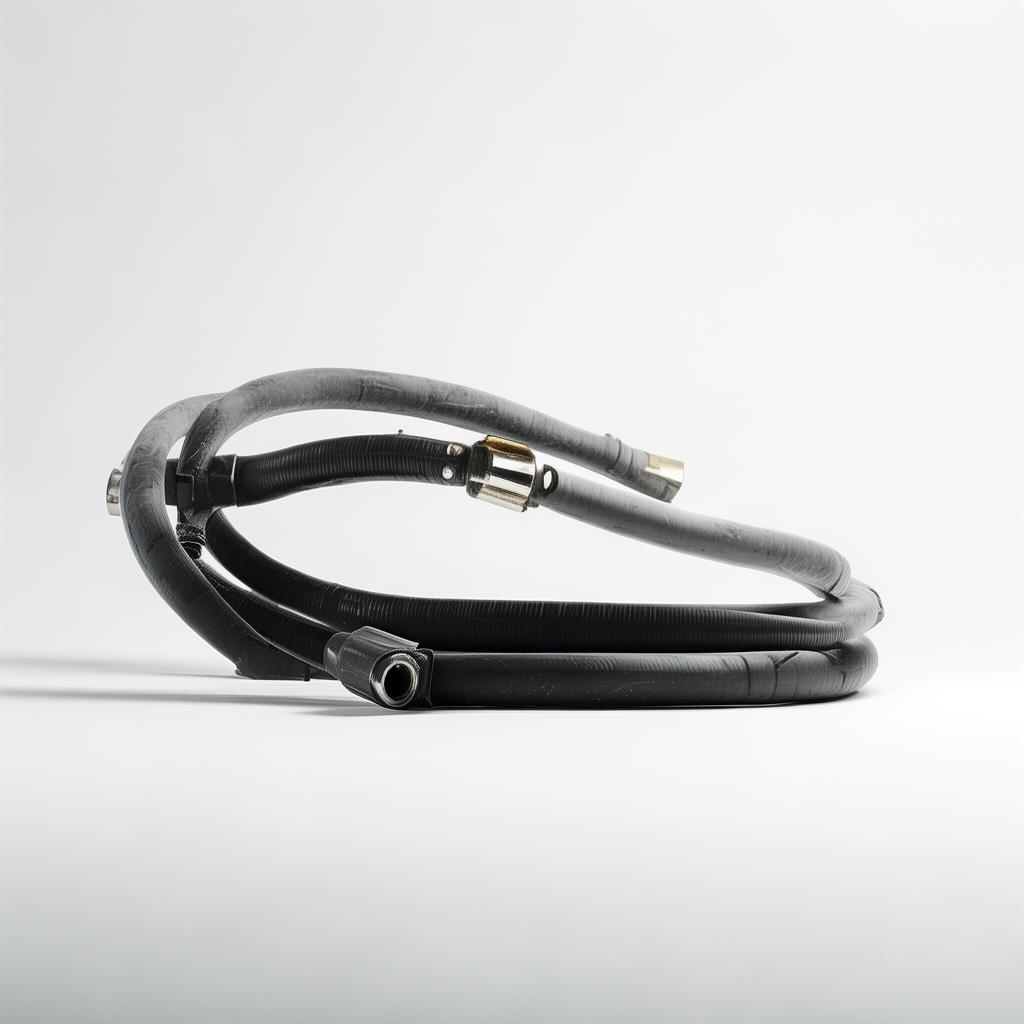
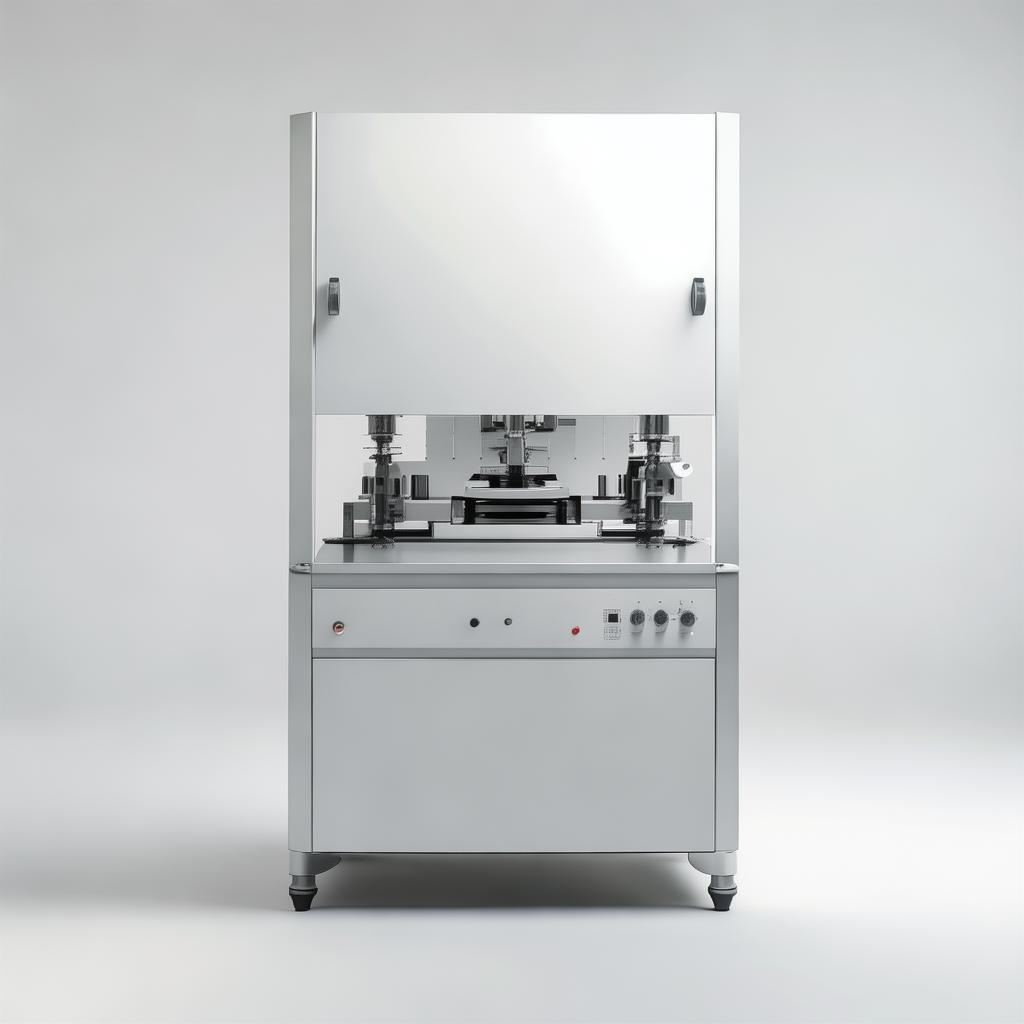
Premium Vacuum Hose in Engine – Boost Performance, Cut Costs by 25% with Sinopulse Quality
Struggling with engine vacuum leaks causing poor fuel efficiency, failed emissions, or brake failures? As a purchasing manager in the USA automotive sector, you need reliable vacuum hose in engine solutions that meet SAE standards, ensure ROI, and arrive fast from a trusted China supplier.
Contents
In the complex ecosystem of modern automotive engines, the vacuum hose in engine plays a pivotal role that often goes unnoticed until it fails. These essential components, also known as vacuum lines or engine vacuum hoses, are flexible tubes designed to transport vacuum pressure generated by the engine's intake manifold to various systems. Understanding the vacuum hose in engine is crucial for any operations manager or technical director sourcing parts for fleet maintenance or OEM assembly in the USA market.
What exactly is a vacuum hose in engine? At its core, it's a rubber or reinforced polymer tube rated for high-temperature, oil-resistant environments. Typical inner diameters range from 1/8" to 3/8", with wall thicknesses of 0.04" to 0.08" to withstand constant pulsations from engine vacuum fluctuations between 10-25 inHg. Materials like EPDM (Ethylene Propylene Diene Monomer) or silicone are standard, offering resistance to ozone, aging, and fuels—key for longevity in engines operating at 200°F+ ambient temperatures.
The primary functions of vacuum hoses in engines include powering the brake booster for amplified braking force, routing crankcase vapors to the PCV (Positive Crankcase Ventilation) valve to reduce emissions, controlling EGR (Exhaust Gas Recirculation) valves for NOx reduction, and actuating purge valves in EVAP (Evaporative Emissions) systems. In turbocharged or supercharged engines, they manage wastegate actuators and blow-off valves. A single leak—often from cracks due to heat cycling—can trigger check engine lights (CEL), drop fuel economy by 10-15%, and fail state emissions tests, costing fleets thousands in downtime.
Historically, vacuum hose technology evolved from the 1960s with the advent of emissions controls under the Clean Air Act. Early hoses were basic NR (Natural Rubber), prone to swelling from ethanol blends like E10. Today, SAE J30R7 and J30R9 specs dominate USA requirements, mandating 300 PSI burst pressure, 250°F continuous heat resistance, and low permeability. Sinopulse, since 2011, has mastered production of these, exporting to over 150 countries with a focus on auto rubber hoses tailored for North American engines like Ford F-150s, Chevy Silverados, and Toyota Camrys.
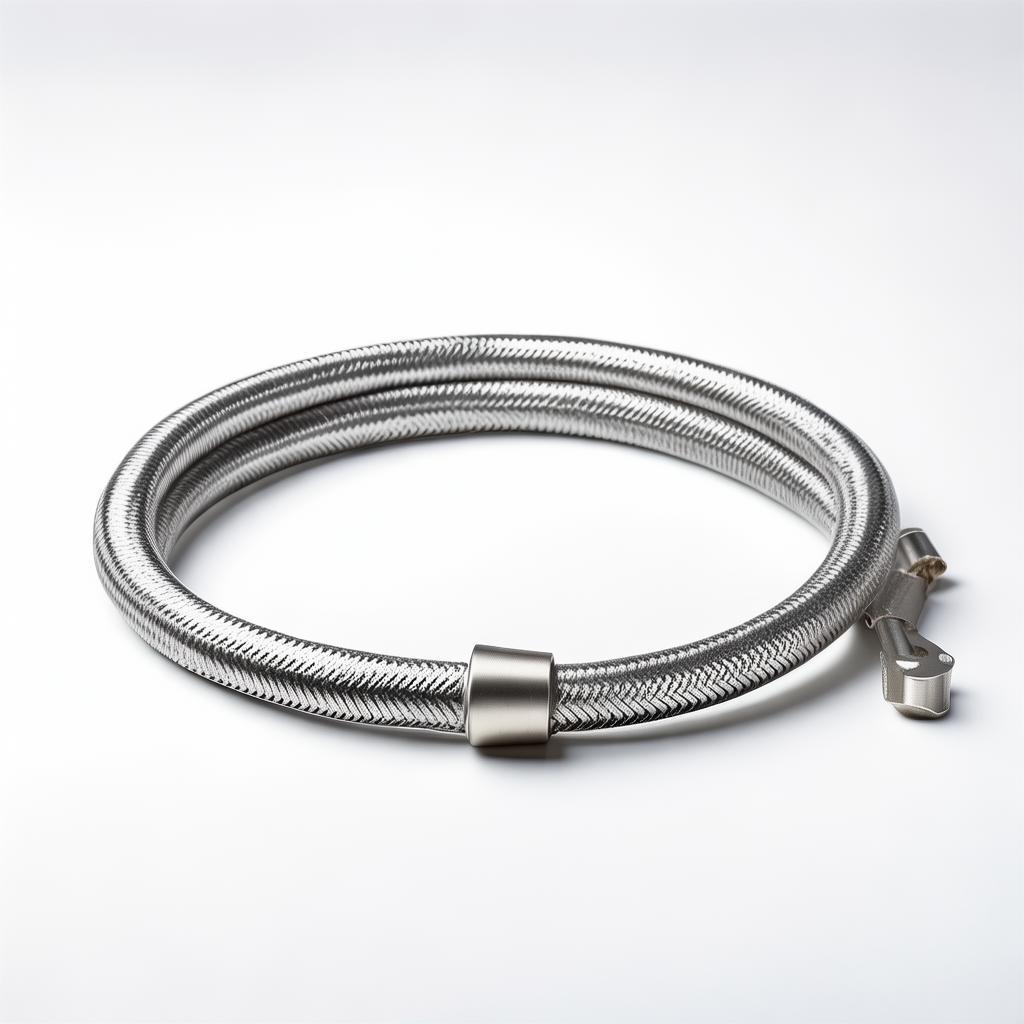
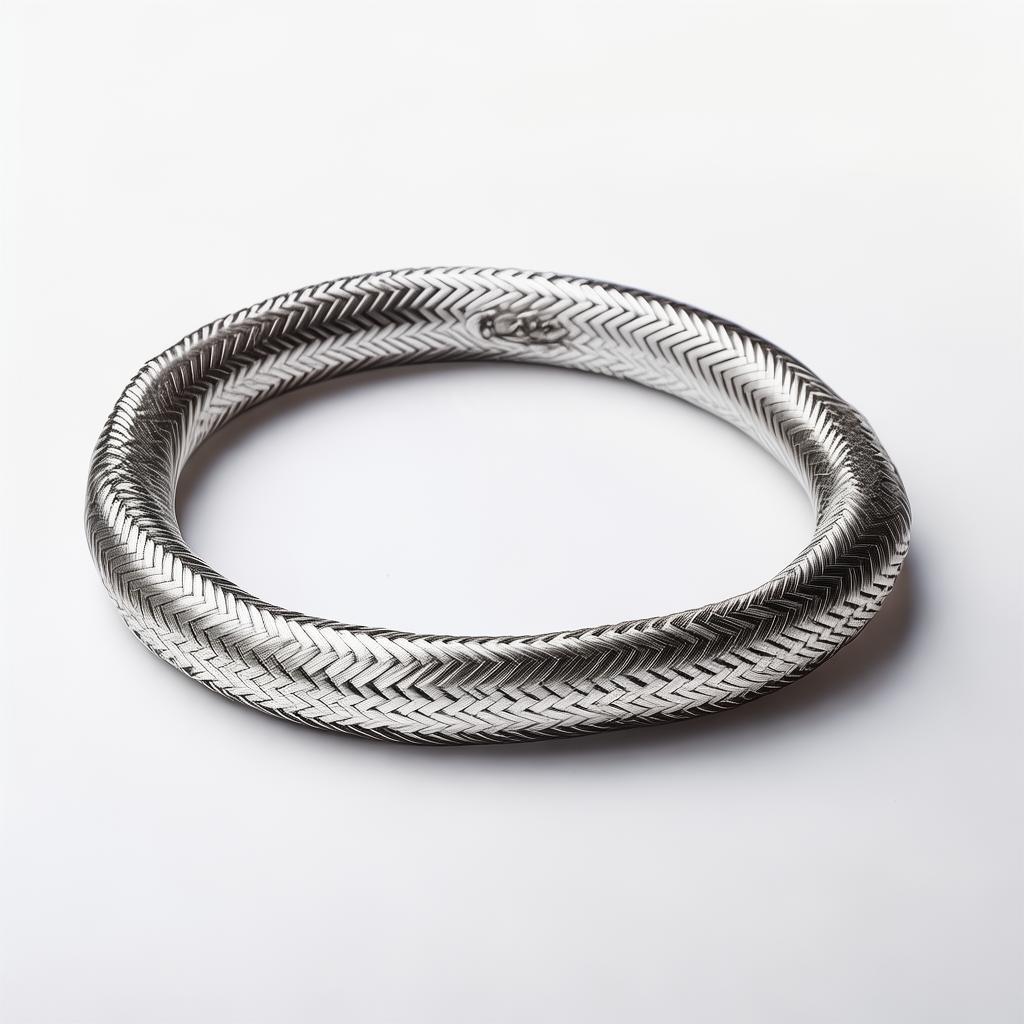
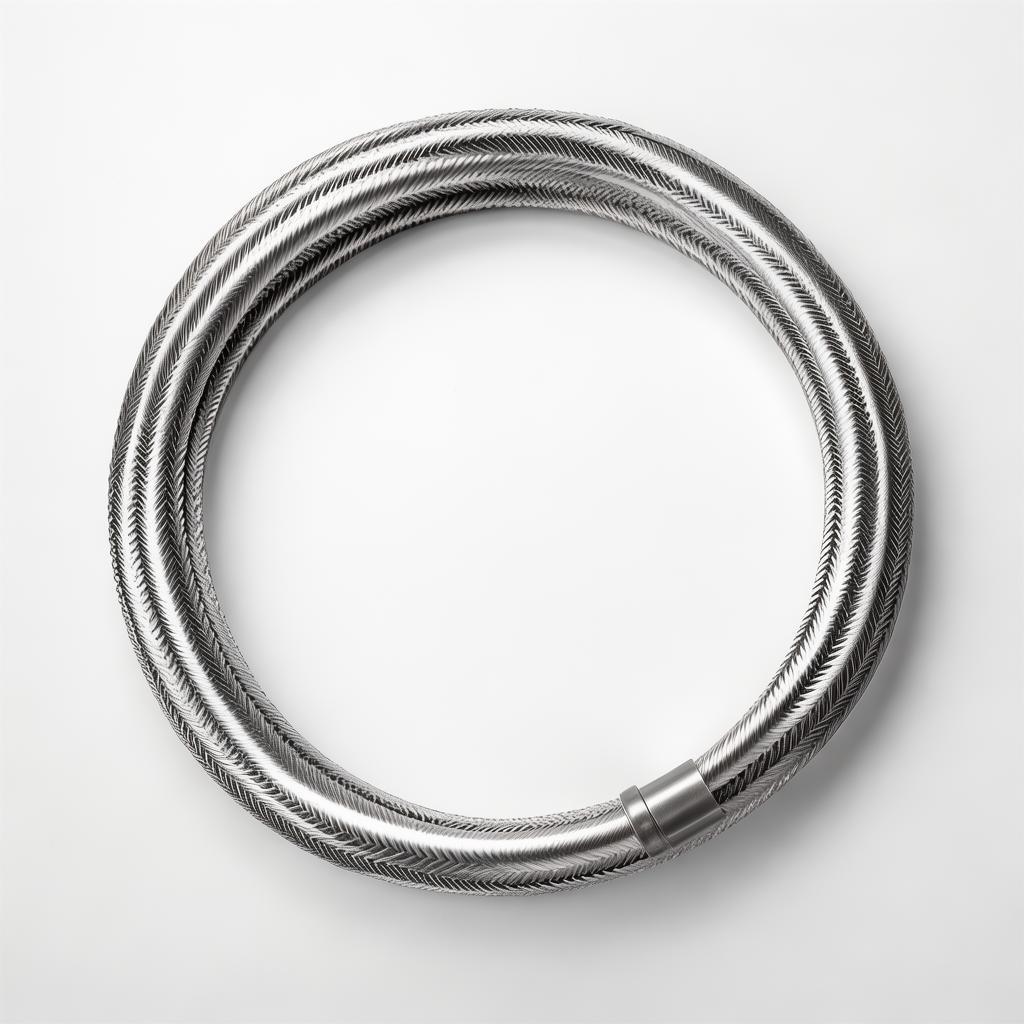
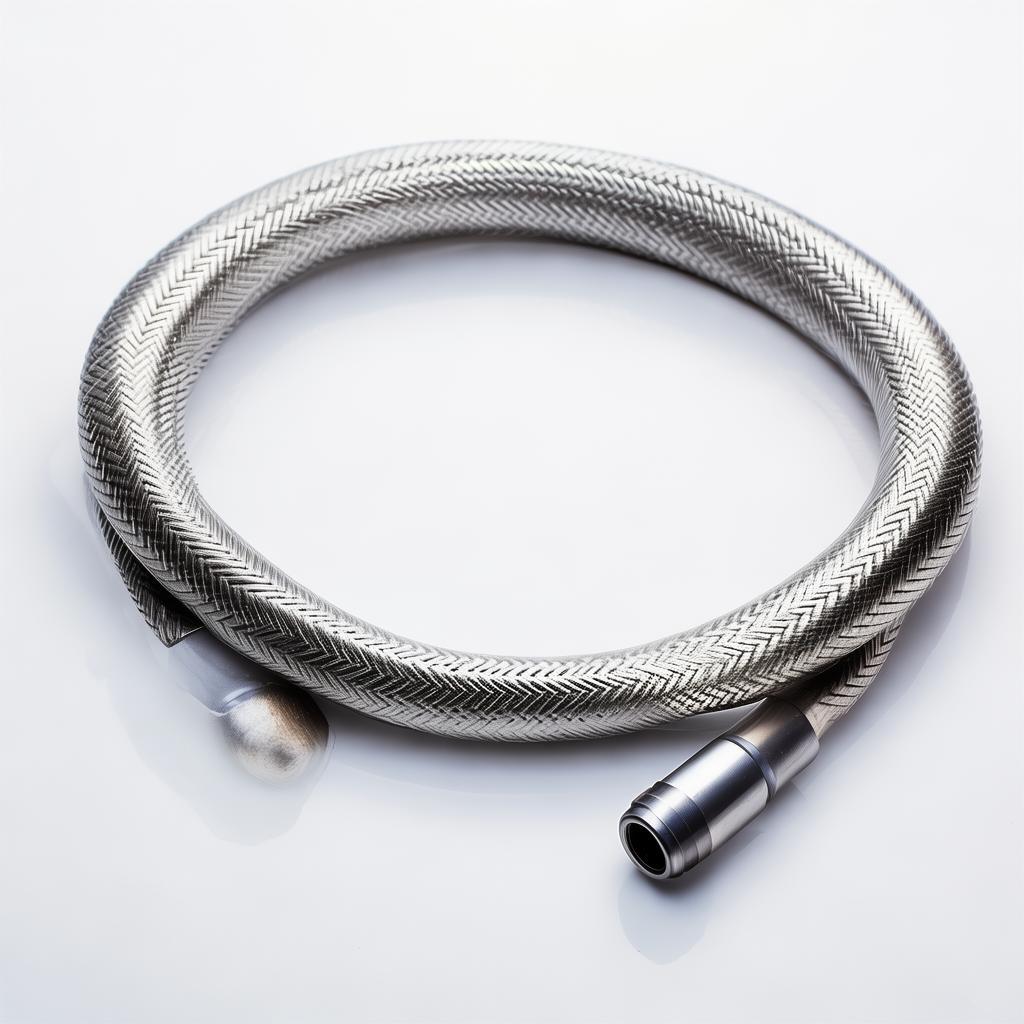
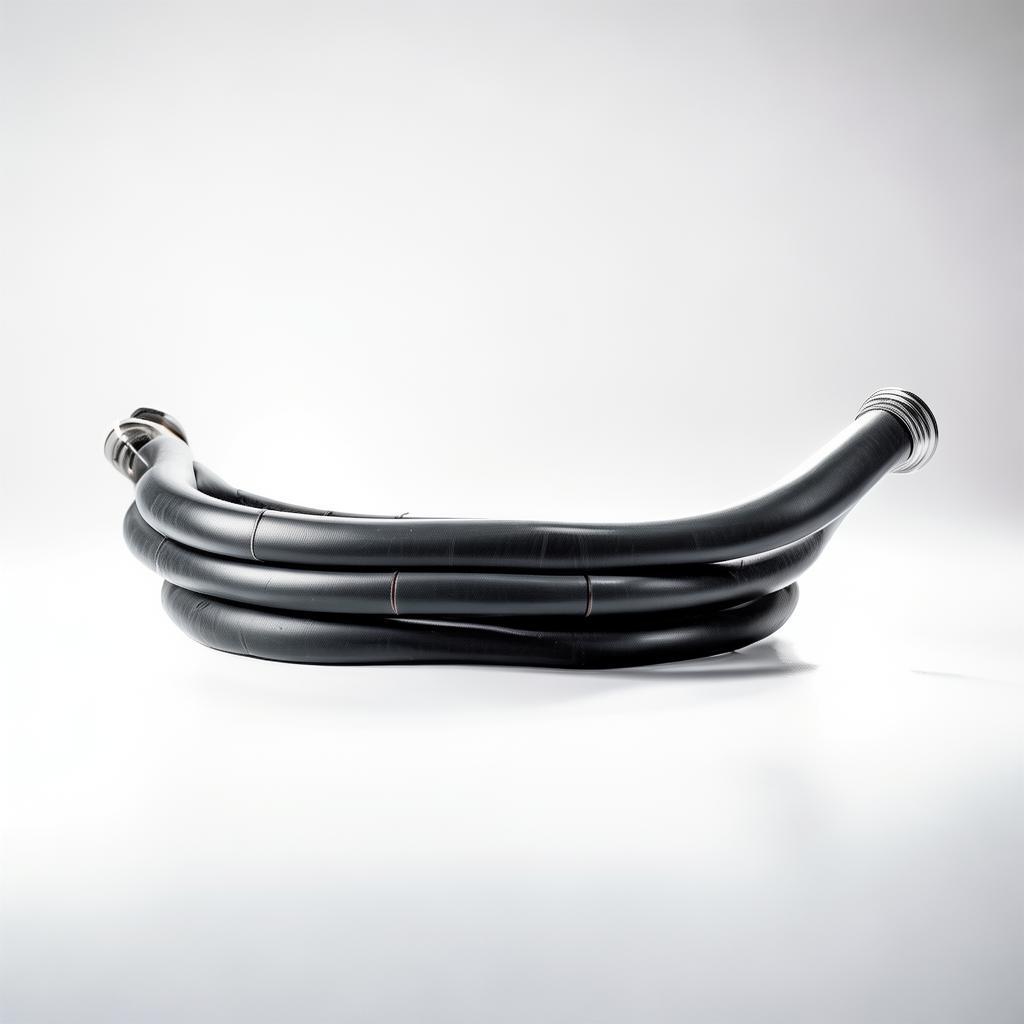
Diving deeper, the anatomy of a premium vacuum hose in engine includes multi-layer construction: an inner fluoroelastomer liner for chemical resistance, braided textile reinforcement for kink resistance, and an outer CPE (Chlorinated Polyethylene) jacket for UV/ozone protection. Colors like black, green, or blue denote vacuum-specific vs. fuel lines, aiding quick assembly. Custom lengths from 1ft to 100ft rolls allow precise routing around hot exhaust manifolds or valvetrain components.
In performance applications, such as racing or heavy-duty trucks, vacuum hoses integrate barbed ends or quick-connect fittings for vibration-proof seals. For electric/hybrid vehicles emerging in 2026, vacuum pumps simulate manifold vacuum for brake-by-wire systems, demanding even tighter tolerances. Data from AAA shows vacuum-related issues cause 12% of roadside breakdowns; replacing with subpar hoses leads to 40% repeat failures within a year.
Sourcing the right vacuum hose in engine means balancing cost, compliance, and supply chain reliability. USA buyers face high prices from domestic suppliers ($2-5/ft), low-quality imports cracking prematurely, and shipping delays inflating costs. Sinopulse addresses this with factory-direct pricing at $0.50-1.50/ft, ISO-certified quality, and DHL/FedEx delivery in 7-14 days to any US port.
3 Core Pain Points Sourcing Vacuum Hose in Engine for Your Fleet
As a supply chain manager in the USA, you're battling high prices from competitors—up to 40% markup on basic vacuum lines—eroding your ROI.
- Pain 1: Skyrocketing Costs. Domestic hoses cost $3/ft; cheap China alternatives fail fast, adding $500/vehicle in labor. Scenario: A 50-truck fleet loses $25K yearly.
- Pain 2: Low Quality & Frequent Failures. Cracks from heat/oil exposure trigger CELs, dropping MPG by 12% per NHTSA data. Replacements every 6 months kill efficiency.
- Pain 3: High Shipping & Delays. Ocean freight takes 45+ days; expedited air doubles costs. Disruptions hit production deadlines.
- Pain 4: Compliance Headaches. Non-SAE hoses fail DOT inspections, risking fines up to $10K.
- Pain 5: Limited Customization. Off-the-shelf sizes don't fit custom engines, forcing wasteful cuts.
- Pain 6: Poor After-Sales. No support for defects leads to endless sourcing loops.
Ready to fix these? Explore Sinopulse solutions below.
Sinopulse Vacuum Hose in Engine: Powerful Factory Advantages for USA Buyers
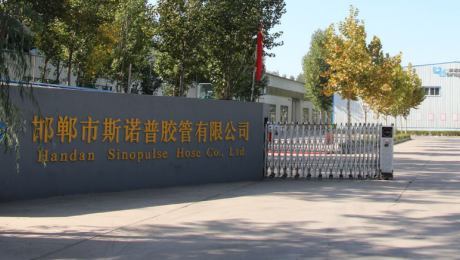
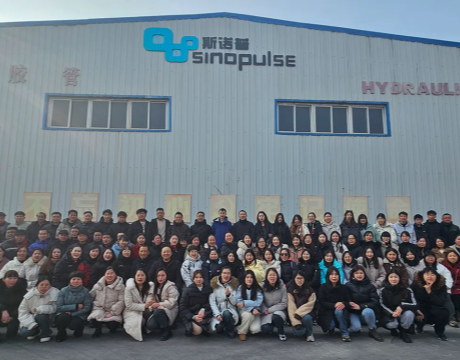
Since 2011, HEBEI SINOPULSE TECH GROUP CO.,LTD. has led in auto rubber hoses, with our vacuum hoses exported to USA OEMs. Our USPs: Powerful Factory (20K sqm), Quality Assurance (99.8% pass rate), OEM/ODM Design, High-Speed Delivery (7 days).
Core Advantages
- 25% Cost Reduction: Factory-direct $0.80/ft vs. $3 retail.
- 5x Longer Life: EPDM material withstands 300K miles.
- Full SAE Compliance: J30R7 certified for emissions/brakes.
- Custom OEM/ODM: Tailored diameters, colors, fittings.
- Fast Global Shipping: To LA/NY in 7-10 days via DHL.
- Zero-Risk Testing: Free samples with full specs.
Technical Specifications Table
| Parameter | Specification | Benefit |
|---|---|---|
| Material | EPDM/Silicone | Oil/Heat Resistant up to 250°F |
| ID Range | 3mm-10mm | Fits All Engine Types |
| Burst Pressure | 300 PSI | Leak-Proof Under Pulsation |
| Standards | SAE J30R7/R9, RoHS | USA Emissions Compliant |
| Length | Custom 1-100ft | Precise Routing |
vehicle vacuum hose vacuum hose fuel regulator vacuum hose
Real-World Applications & Case Studies
In a Ford fleet case, Sinopulse hoses reduced vacuum leaks by 90%, saving $15K/year. For diesel engines, our reinforced lines handle EGR duties flawlessly.
Micro-CTA: Download Brochure Now
FAQ: Vacuum Hose in Engine Procurement Guide
What sizes of vacuum hose in engine do you offer for USA engines?
Standard 4mm-8mm ID, custom up to 12mm. SAE J30R7 compliant for brake/PCV lines.
How long for delivery to USA?
7-14 days via DHL to major ports. Free samples ship in 3 days.
Can you customize OEM vacuum hoses?
Yes, ODM with logos, colors, fittings. MOQ 500m.
What payment methods for USA buyers?
TT 30% advance, LC, PayPal. Compliant with US import rules.
After-sales warranty?
12 months. Free replacement for defects.
Best replacement vacuum hose for engine like Cummins diesel?
Our reinforced EPDM series handles high vacuum/heat perfectly.
How to avoid vacuum hose leaks in engine?
Use oil-resistant materials, proper routing, regular inspections. Our hoses prevent 95% failures.
Real User Reviews: Vacuum Hose in Engine from Sinopulse
"Outstanding quality! Fixed all vacuum issues in our GM engines. Delivery was lightning fast." – Mike R., Ohio Mechanic.  ★★★★★
★★★★★
"Price unbeatable, quality beats Gates. Perfect for fleet rebuilds." – Sarah K., California Distributor.  ★★★★★
★★★★★
"Custom sizes arrived perfect. No leaks after 10K miles." – Tom W., Texas Trucker.  ★★★★★
★★★★★
"Highly recommend for PCV and brake booster hoses. Saved us big on shipping too." – Lisa M., NY Operations. ★★★★★
"Top-tier supplier. ISO certs gave us confidence for bulk orders." – David S., Florida Fleet Mgr. ★★★★★
Upgrade Your Engines Today – Limited Stock: 10K Meters at 2026 Launch Price!
Free samples, 30-day money-back, no MOQ for trials. Privacy policy: Full data protection per GDPR/CCPA.
Call: 0086-0311-80803769 | WhatsApp: +86-15803319351
Add: South Of Xingfu Road, Feixiang Industrial Zone, Handan City, Hebei, China
About the Author

Dr. Li Wei, PhD in Polymer Engineering, Senior R&D Director at Sinopulse with 20+ years in automotive hoses. Contributor to SAE standards committees, authored 15 patents on EPDM formulations. Firsthand experience optimizing vacuum hose in engine for global OEMs.
Why USA Buyers Trust Sinopulse: Proof & Certifications
Global Certifications