Your Trusted 24 Hours Service Provider!

-
 Call Us+86-158-0331-9351
 -
 Emailcarrie@sinopulse.cn
 -
 AddressHandan City, Hebei , China


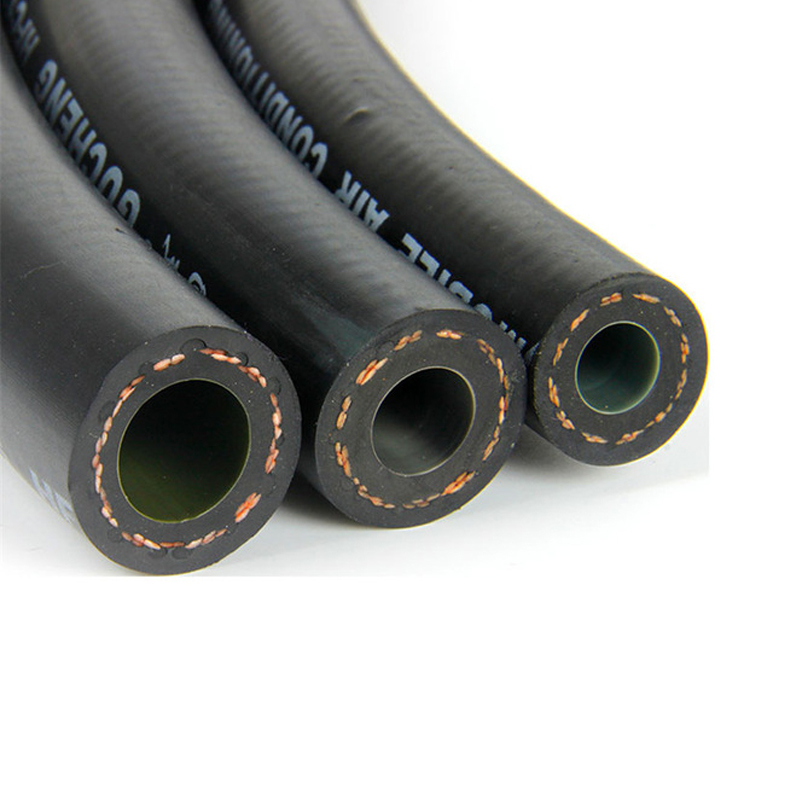
Automotive climate control systems operate under constant duress. Variations in engine bay temperatures, continuous vibration, and highly pressurized refrigerants frequently lead to micro-fractures and fluid leaks in standard tubing. For mechanics, fleet managers, and aftermarket specialists, addressing these failures requires more than just temporary fixes; it demands engineering-grade solutions. When navigating the complexities of AC hose repair or custom automotive ac lines, the foundational quality of the rubber and the structural integrity of the assembly dictate the lifespan of the entire HVAC system.
Since 1999, we have operated as an integrated high-tech enterprise, bridging the gap between advanced R&D and high-performance manufacturing. With a sprawling facility covering over 40,000 square meters, our ISO 9001 certified operations are designed to eliminate the common pain points associated with automotive fluid transfer. By leveraging our specialized technical team and comprehensive quality control frameworks, we transform raw, high-performance rubber into precision-engineered assemblies that boast unparalleled oil resistance and superior flexibility—crucial characteristics for navigating tight automotive engine compartments.
To prevent premature system degradation, replacement parts must exceed original equipment specifications. The structural demands of refrigerants require hoses that can withstand intense internal pressure cycles without succumbing to material fatigue or environmental abrasion. Our commitment to fluid system integrity ensures that every meter of hose utilized in AC hose repair or custom automotive ac lines undergoes rigorous laboratory validation.
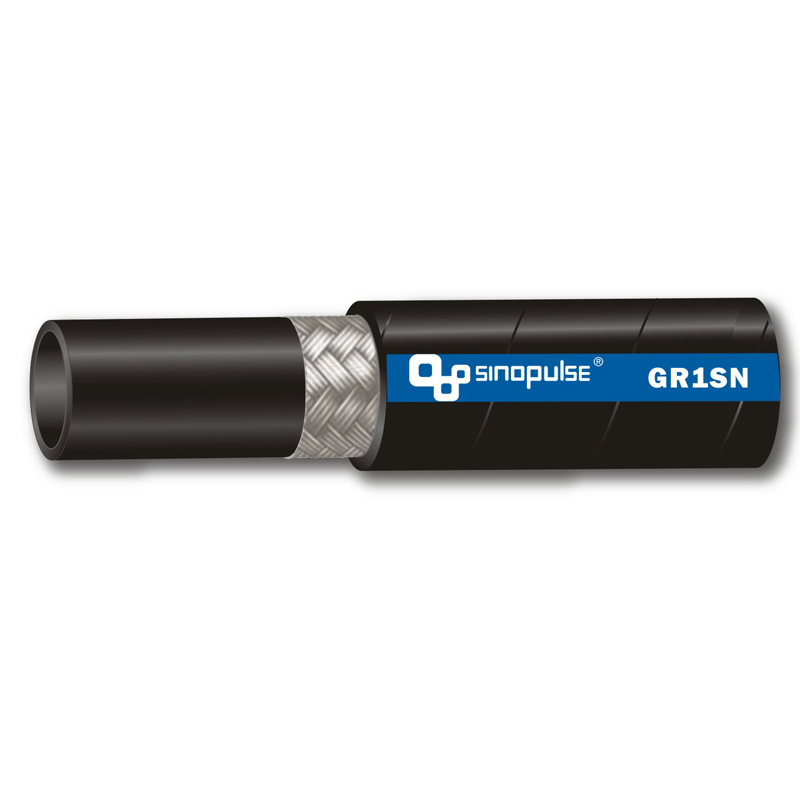
Equipped with advanced high-speed braiding and spiraling machines, our production lines achieve a specialized balance between maximum burst strength and necessary flexibility. Below is a breakdown of how our manufacturing metrics directly translate into superior automotive air conditioning solutions.
| Performance Metric | Industry Significance | Our Engineering Standard | Advantage |
|---|---|---|---|
| Pressure Tolerance | Refrigerant systems require high burst thresholds to prevent catastrophic leaks during thermal expansion. | Strict SAE and DIN standards (1SN, 2SN, 4SP, 4SH equivalents adapted for specialized fluids). | Guarantees zero-failure performance under severe automotive pressure spikes. |
| Material Fatigue & Integrity | Constant engine vibration causes traditional hoses to crack over time. | Complete testing laboratory dedicated to rigorous pulse and burst resistance validation. | Dramatically extends the lifecycle of custom-built assemblies. |
| Chemical & Oil Resistance | Compressor oils and modern refrigerants degrade standard rubber formulations from the inside out. | Proprietary high-performance rubber compounds engineered for aggressive fluids. | Prevents internal flaking, keeping the compressor and expansion valves clean. |
| Supply & Scalability | Repair networks and manufacturers need uninterrupted supply chains. | Advanced production capabilities exceeding 1 million meters in monthly output. | Ensures consistent, global availability for both emergency repairs and bulk OEM demands. |
In the automotive sector, recurrent failures do more than just frustrate vehicle owners; they erode profit margins through warranty claims, intensive diagnostic labor, and prolonged downtime. By sourcing premium components for AC hose repair or custom automotive ac lines, businesses transform maintenance from a recurring expense into a long-term investment. Serving industrial and agricultural machinery sectors across more than 30 countries—including North America, Europe, and Southeast Asia—our global footprint is a testament to the reliability and economic value of our fluid solutions.
Upgrading to our expertly engineered assemblies mitigates the hidden costs of system failures. The data is clear: investing in laboratory-tested, high-performance rubber products drastically reduces cumulative maintenance expenditures. The chart below illustrates the projected five-year cost trajectory of utilizing standard aftermarket hoses versus our engineered custom lines.
Related products
Top Selling Products