

Material Selection Guide for Hydraulic Hose Cutting Machine SNP-C20
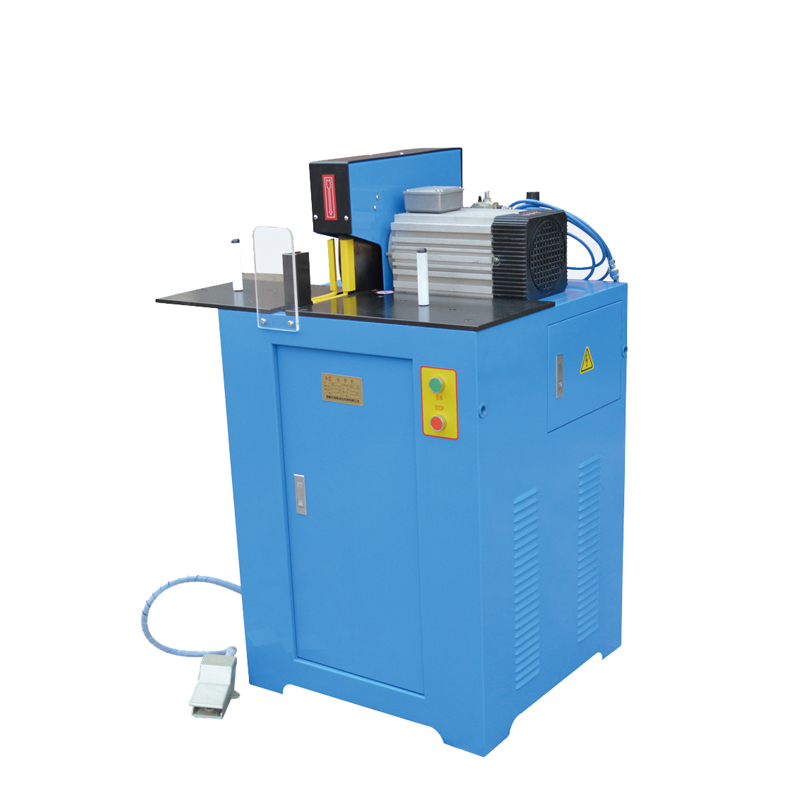
Heavy-duty industrial workshops require robust fabrication machinery engineered to withstand demanding multi-shift production cycles. Selecting appropriate cutting equipment involves analyzing structural dimensions and mechanical load capacities without relying on unsubstantiated alloy claims.
The SNP-C20 is designed specifically to meet these operational requirements.
Spatial Footprint and Mechanical Load Capacity of the SNP-C20
Spatial Envelope and Workshop Integration
The compact physical dimensions measuring 810mm*610mm*1150mm allow facility layout planners to position the SNP-C20 within restricted factory spaces without disrupting existing assembly lines. This spatial efficiency prevents bottlenecks in high-volume material flow when integrating heavy machinery directly adjacent to hose crimping stations.
Positioning flexibility relies heavily on available floor clearance and nearby power supply locations. Layout optimization depends on whether the workshop operates single-shift or continuous multi-shift production cycles.
Structural Architecture Under Continuous Cutting Cycles
Heavy mechanical loads during intense industrial operations require a robust structural framework to absorb continuous vibration and maintain operational stability. The internal chassis design restrains lateral deflection when processing thick wire-reinforced assemblies.
Rigid chassis construction prevents structural twisting during high-stress production runs. Without adequate frame stability, reactionary forces generated during aggressive cutting cycles compromise dimensional stability across heavy-duty production lines.
Procurement engineers are advised to consult supplier documentation and white list specifications for custom workshop layout planning.
Comprehensive Processing Range for Braided and Spiral Hoses
Dimensional Envelope and Core Tube Compatibility
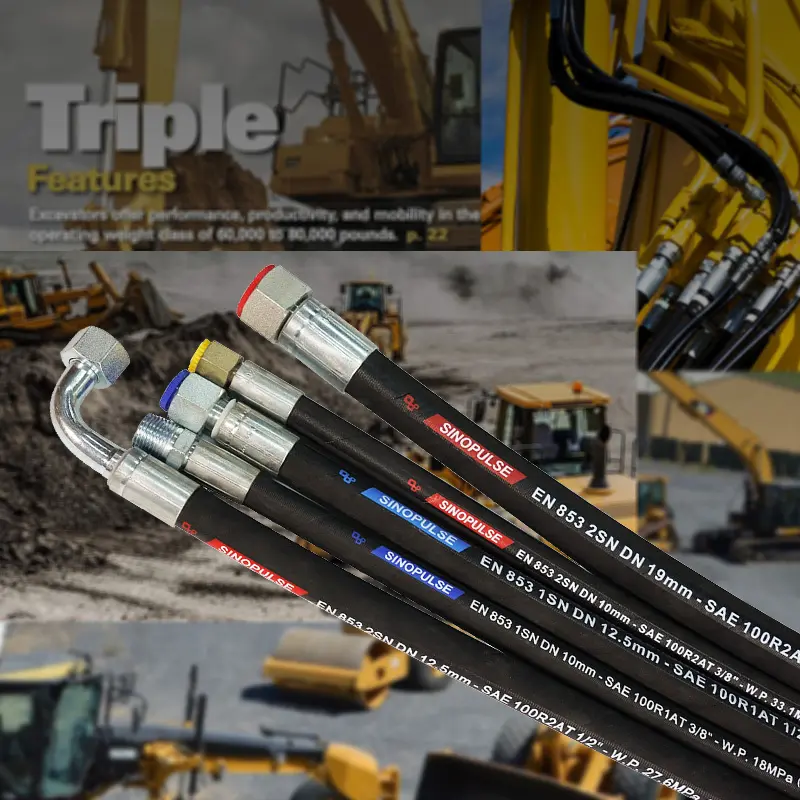
The SNP-C20 processes hydraulic lines ranging from 6mm to 51mm (1/4” to 2”), accommodating a wide array of inner diameter requirements for fluid conveyance systems. Production efficiency depends on maintaining consistent feed rates as technicians transition between standard dimensions during high-output shifts.
Hose sizing envelopes dictate how effectively maintenance shops handle replacement tasks without slowing down assembly lines. Processing parameters vary depending on the specific wall thickness and reinforcement density of each line.
Multi-Layer Steel Wire and Textile Integration
Rigid industrial lines undergo clean separation when fed through the precision cutting interface. Mechanical components maintain steady traction during multi-layer processing cycles, preventing core distortion across varying operational speeds and ambient workshop temperatures.
Transmission stability during continuous fabrication runs is evaluated against specific line feeds and material densities documented in operational audit sheets.

Material Selection and Component Durability Comparison
Framework Resilience and Material Application
Heavy-duty workshop machinery depends on balanced material selection to withstand persistent mechanical strain.
Structural Load Distribution
Chassis frames distribute kinetic forces generated during high-frequency shearing operations.
Rigid assemblies prevent frame deflection across daily production batches.
| size | application | Suitability for Humid Environments | Price Tier | Required Documentation |
|---|---|---|---|---|
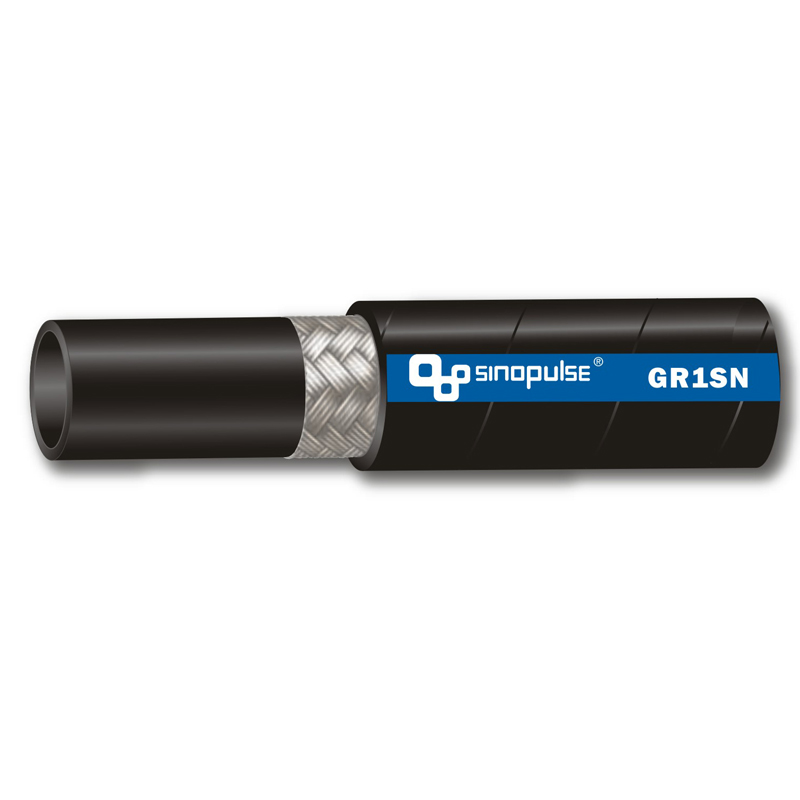
| 810mm*610mm*1150mm | cutting all kinds of steel wire braided hose 1SN, 2SN R1, R2, R5, R4, R16, R17, 1SC, 2SC, steel wire spiraled hose R12, R13, R15, 4SP, 4SH, adding cloth hose and cotton reinforced hose range from 6mm to 51 mm (1/4”-2” ) | Depends on facility humidity control and protective coating application | Varies with production batch volume and regional delivery terms | Documentation available from the supplier regarding material origins and specifications |
Operational Frequency and Wear Resilience
Facility duty cycles dictate how frequently transmission components require scheduled upkeep.
Higher daily output demands robust sub-assemblies to maintain cutting precision over extended working periods.
Balancing Structural Rigidity and Wear Part Replenishment
Structural Rigidity and Transmission Component Longevity
Sustaining heavy mechanical loads in industrial facilities depends directly on structural rigidity, which prevents frame deflection during demanding fabrication cycles. When cutting equipment processes dense wire layers, the underlying chassis absorbs intense reactionary forces that test the limits of mechanical stability.
Transmission components operating within these high-stress assemblies undergo continuous friction and thermal exposure. Facility engineers evaluate duty cycles to determine whether gearboxes and drive linkages maintain alignment under prolonged operational strain. Operating frequency dictates how rapidly moving parts accumulate wear, making scheduled inspections essential for preserving overall equipment effectiveness.
Balancing Heavy-Duty Performance with Routine Upkeep
Balancing high-output performance with routine component upkeep requires facilities to align maintenance schedules with actual production workloads. Heavy-duty frames engineered for long service life still require systematic oversight of transmission mechanisms to prevent unexpected downtime during peak fabrication shifts. Depending on the specific throughput volume and material density processed by the facility, upkeep intervals shift to match the operational intensity of the production line.
Consumable Maintenance and Cutting Mechanism Longevity
Blade Wear Progression and Consumable Lifespan
Cutting mechanisms and blades undergo standard consumable wear during active operational cycles, necessitating structured oversight to prevent unexpected work stoppages on the factory floor. Continuous friction between tool edges and multi-ply hose reinforcements gradually alters edge geometry, increasing the mechanical resistance encountered by drive elements. Maintenance schedules for these cutting parts depend strictly on facility duty cycles and historical throughput volumes rather than fixed calendar dates.
Operators mitigate accelerated edge degradation by inspecting cutting components before daily production shifts commence. Relying on unverified assumptions regarding indefinite blade longevity introduces severe risks of edge chipping and compromised cut quality across finished assemblies. Facility teams coordinate consumable replacements according to actual workload frequency and specific material hardness levels determined by the destination port operating environment.
Preventative Upkeep and Consumable Management Protocols
Proactive maintenance of transmission assemblies and cutting tools prevents secondary mechanical damage from worn consumables during high-speed fabrication runs. Regular alignment checks for internal drive elements keep operational stress balanced against component durability across varied production runs. Procurement engineers map consumable replenishment intervals directly to annual output targets and local shift demands.
Aligning Equipment Durability with Workshop Operating Conditions
Synchronizing material selection parameters with daily production output ensures that industrial systems maintain peak performance throughout intensive fabrication cycles. Procurement strategies successfully stabilize long-term operation when spatial constraints and duty-cycle requirements dictate facility planning without relying on unverified metallurgical claims. Evaluating equipment longevity involves matching chassis dimensions against the volumetric throughput of incoming components.
Matching Workload Frequency with Structural Reserves
Production scheduling directly influences how structural frameworks absorb repetitive mechanical stress during continuous operation. Facility managers must account for regional power availability and ambient temperature variations when calculating machine duty cycles, as external environmental factors dictate actual operational limits.
Heavy fabrication facilities achieve stable output by correlating chassis stability metrics with the frequency of multi-shift processing cycles.
Strategic Longevity Assessment for Industrial Lines
Lifecycle forecasting depends on systematic tracking of operational hours and scheduled component inspections rather than static operational timelines. Evaluating long-term value requires balancing initial sizing decisions against local labor costs and regional transport logistics for replacement parts.
Technical evaluation protocols ensure that workshop integration proceeds smoothly without unexpected downtime or spatial bottlenecks.
Frequently Asked Questions
The SNP-C20 measures 810mm*610mm*1150mm, enabling facility layout planners to position the unit efficiently within standard workshop footprints. Spatial efficiency depends on available floor clearance and the proximity of power supplies, preventing bottlenecks when integrated adjacent to crimping stations.
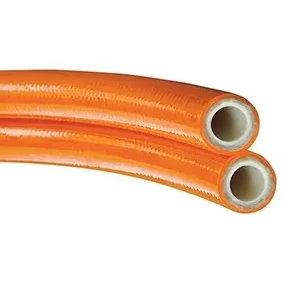
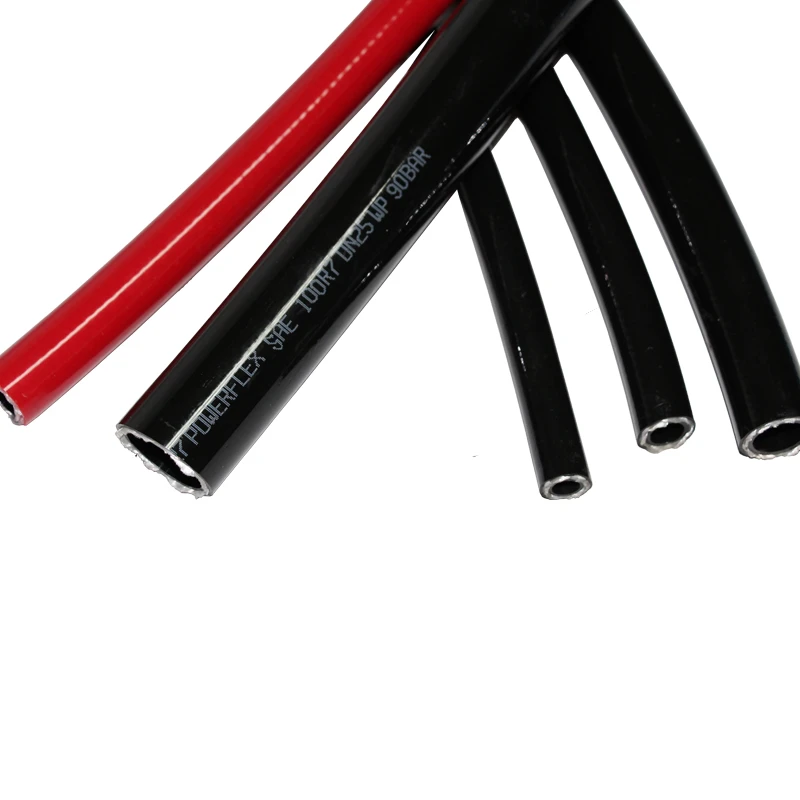
This machinery accommodates hose inner diameters ranging from 6mm to 51mm (1/4” to 2”). It processes diverse configurations including 1SN, 2SN, R1, R2, R5, R4, R16, R17, 1SC, 2SC wire braided variants, heavy spiral options like R12, R13, R15, 4SP, 4SH, alongside cloth and cotton reinforced assemblies.
Heavy-duty workshop machinery relies on industry-standard material systems that balance structural rigidity against operational stress. Component resilience depends on whether the facility runs single-shift or continuous multi-shift production cycles under high-tensile workloads.
Cutting mechanisms undergo standard consumable loss rates during routine industrial production. Maintenance planning requires monitoring blade integrity based on actual workload frequency rather than assuming indefinite component longevity, with replacement schedules varying by production volume.
Consumable lifespan depends directly on reinforcement density, daily cut counts, and the specific hardness of the wire-reinforced lines being processed. Production engineers must adjust maintenance intervals based on actual workshop operating conditions and material throughput.
Conclusion
Contract finalization depends on matching facility parameters with verified SNP-C20 production metrics.
Facility planners coordinate available floor space to integrate the equipment footprint without obstructing adjacent material handling paths. Purchasing agents cross-reference replacement inventory against the processing scope to ensure compatibility before procurement.
Operational budgets account for replacement intervals dictated by daily cutting frequency and destination port transit realities for spare parts. Procurement teams establish custom workshop layouts by referencing whitelist specifications for spatial planning.


Product Application