Your Trusted 24 Hours Service Provider!
  • sns01
  • sns02
  • sns04
  • sns06
  • social (2)

Premium high pressure hydraulic hose Solutions for Myanmar Industry

Engineering high-performance fluid transmission systems tailored for the demanding agricultural and mining landscapes of Myanmar.

Premium high pressure hydraulic hose Solutions for Myanmar Industry

Providing world-class rubber and plastic conduit technology to ensure seamless operational efficiency across Myanmar's industrial sectors.

The Current State of hydraulic lines in Myanmar

Analyzing the intersection of tropical climates and industrial rubber demands.

In Myanmar, the industrial landscape is heavily reliant on heavy machinery for agriculture and gemstone mining. However, the region's high humidity and extreme seasonal temperature fluctuations often lead to premature degradation of standard hydraulic lines, causing frequent downtime in remote project sites.

Currently, the market is transitioning from low-grade imported rubber components to high-specification reinforced products. There is a growing demand for materials that can resist UV radiation and tropical ozone, ensuring that the structural integrity of the rubber remains intact under the harsh Southeast Asian sun.

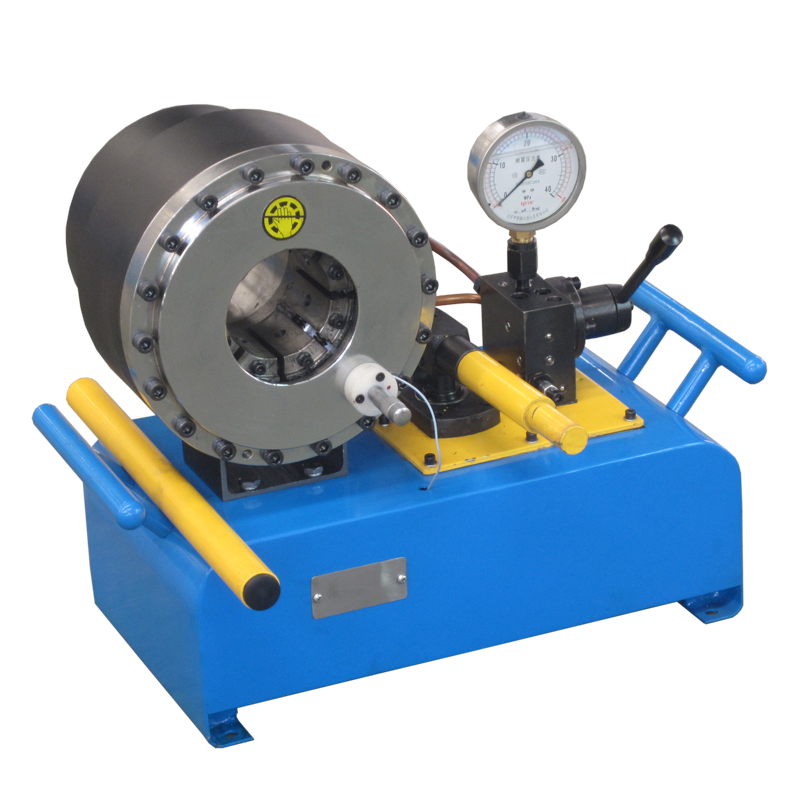
Furthermore, the lack of localized precision crimping facilities has historically limited the lifespan of hose and hydraulics systems. Local operators are now seeking integrated solutions that combine high-grade tubing with precision fittings to reduce leakages in critical hydraulic circuits.
Evolution of hydraulic hose Technology

From traditional rubber compounds to advanced synthetic polymers.

Market Development History

From 1990 to 2005, the Myanmar market primarily utilized basic single-wire braid rubber hoses. These traditional products were sufficient for low-pressure applications but struggled with the increasing power requirements of modern excavators and tractors.

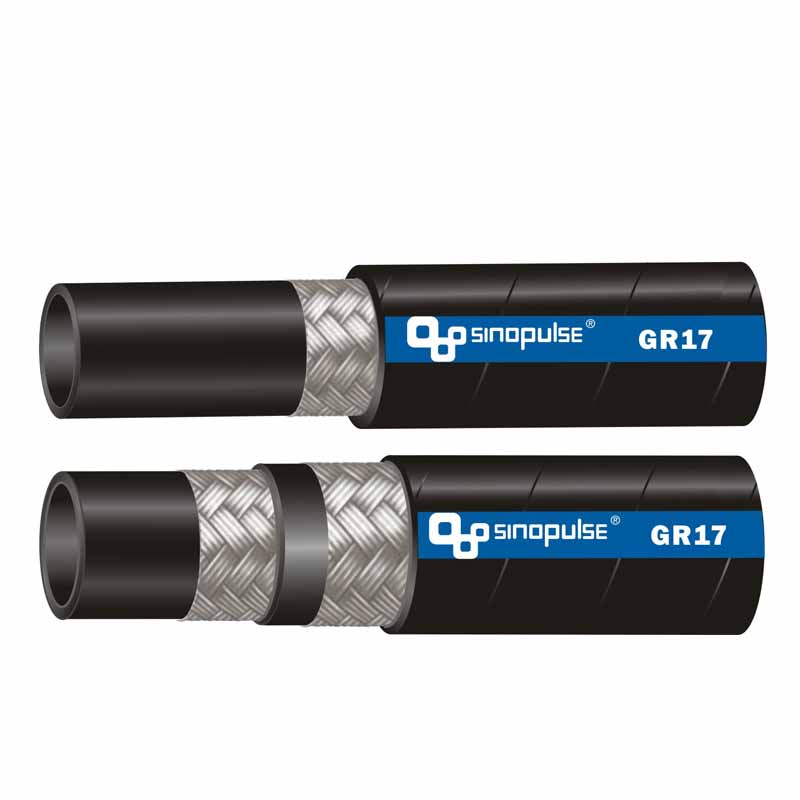
Between 2006 and 2018, a shift occurred toward multi-spiral wire reinforcements. This era saw the introduction of more durable 1 hydraulic hose standards, allowing for higher working pressures and better impulse resistance in the construction sector.

Since 2019, the focus has shifted toward EPDM and Nitrile blends. Modern rubber manufacturing now emphasizes "Tropical Grade" certifications, ensuring that hoses can withstand the specific environmental stressors of the Asia-Myanmar region.

Future Development Trends

Biodegradable Hydraulic Fluids Compatibility

Future hoses will be engineered with inner tubes compatible with eco-friendly fluids to meet upcoming environmental regulations in Myanmar's forestry sectors.

Smart Monitoring Integration

The integration of embedded sensors within the hose wall to monitor pressure spikes and wear in real-time, reducing catastrophic failures.

Thermoplastic Hybridization

A move toward hybrid rubber-thermoplastic structures to combine the flexibility of rubber with the chemical resistance of advanced polymers.

Industry Trends and Future Outlook

Driving efficiency through advanced material science and precision engineering.

High-Pressure Optimization
Increasing the safety factor of high pressure hydraulic hose to handle surge loads in mining.
Corrosion Resistance
Developing advanced outer covers to resist the acidic soils found in Myanmar's industrial zones.
Supply Chain Localism
Reducing lead times by establishing regional distribution hubs for critical rubber components.
Precision Termination
Adopting CNC-driven crimping technology to ensure zero-leak connections.

Industry Outlook

The trajectory of the rubber products industry in Myanmar is moving toward extreme specialization. As the country invests more in infrastructure, the demand for hoses that can withstand high cyclic loads will increase exponentially.

Data indicates a shift toward "Predictive Maintenance" models. Rather than replacing hoses after failure, industrial operators are adopting scheduled replacement cycles based on environmental degradation curves specific to the Myanmar climate.

Localized Application Scenarios in Myanmar

Real-world deployments of high-performance rubber conduit systems.

1. Agricultural Machinery in Ayeyarwady Region

Implementing weather-resistant hydraulic hose for rice harvesting machinery, ensuring stability amidst mud and high humidity.

2. Heavy Mining Equipment in Kachin State

Deployment of high pressure hydraulic hose in gemstone excavators to handle the immense pressure required for rock breaking.

3. Infrastructure Construction in Yangon

Utilizing reinforced hydraulic lines for urban crane operations, prioritizing safety and leak prevention in populated areas.

4. Marine Logistics at Thilawa Port

Application of salt-spray resistant rubber conduits for hydraulic winches and loading systems in maritime environments.

5. Forestry Management in Shan State

Integrating durable hose and hydraulics systems for timber transport vehicles operating in rugged mountainous terrains.

Brand Story

Global Development History of Hebei Xinnuo Power Technology Group Co., Ltd.

Foundational Engineering

Established with a mission to solve the failure rates of industrial rubber components through advanced polymer research.

Technical Breakthroughs

Developed a proprietary reinforcement layering technique that increased the pressure rating of hoses by 30%.

Global Market Expansion

Extended operations to the Asia-Myanmar region, tailoring products for tropical environmental challenges.

Quality Certification

Achieved international ISO standards, ensuring that every 1 hydraulic hose meets stringent safety criteria.

Sustainability Vision

Committing to the production of recyclable rubber materials to protect the global industrial ecosystem.

Complete Product Portfolio for the Myanmar Market

A comprehensive range of rubber and plastic solutions designed for durability.

Common Questions for Myanmar Industrial Users

Expert answers to technical challenges in rubber hose applications.

How to select the right high pressure hydraulic hose for Myanmar's climate?

You should choose hoses with a high-grade synthetic rubber outer cover that is specifically rated for UV and ozone resistance to prevent cracking in the tropical sun.

What is the lifespan of standard hydraulic lines in mining environments?

Depending on the abrasion levels and pressure spikes, reinforced lines typically last 12-24 months, but regular inspections are required every 3 months in abrasive environments.

Can I mix different brands of hose and hydraulics components?

It is not recommended. Mixing brands can lead to fitting incompatibilities and leakage. We suggest using a unified system for maximum safety.

What are the signs that my 1 hydraulic hose needs immediate replacement?

Look for visible bubbling of the outer cover, wet spots (leaks), or exposed wire reinforcement. These are critical failure indicators.

How do I prevent premature wear of hydraulic hoses in agricultural use?

Use protective sleeves or spirals to shield the hose from external abrasion and ensure that the bend radius is not too tight.

What pressure ratings are available for heavy-duty industrial hoses?

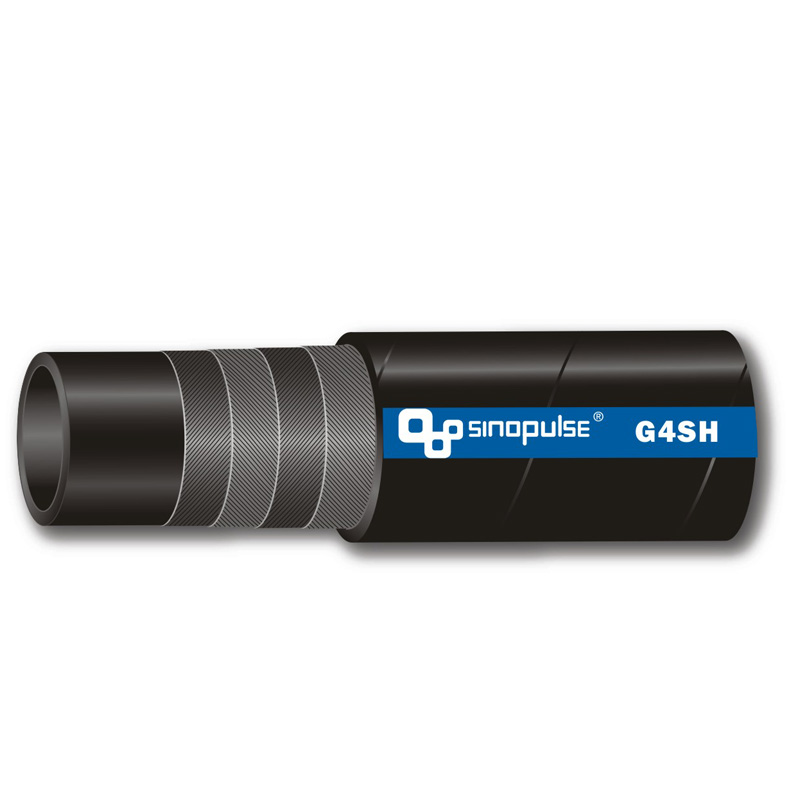
We provide a wide range of ratings from 250 bar to over 600 bar, depending on the number of steel wire spirals used in the reinforcement layer.

Consult Our Engineering Experts

Get professional guidance on optimizing your hydraulic systems in Myanmar.

Contact Us Now

If you are interested in our products, you can choose to leave your information here, and we will be in touch with you shortly.