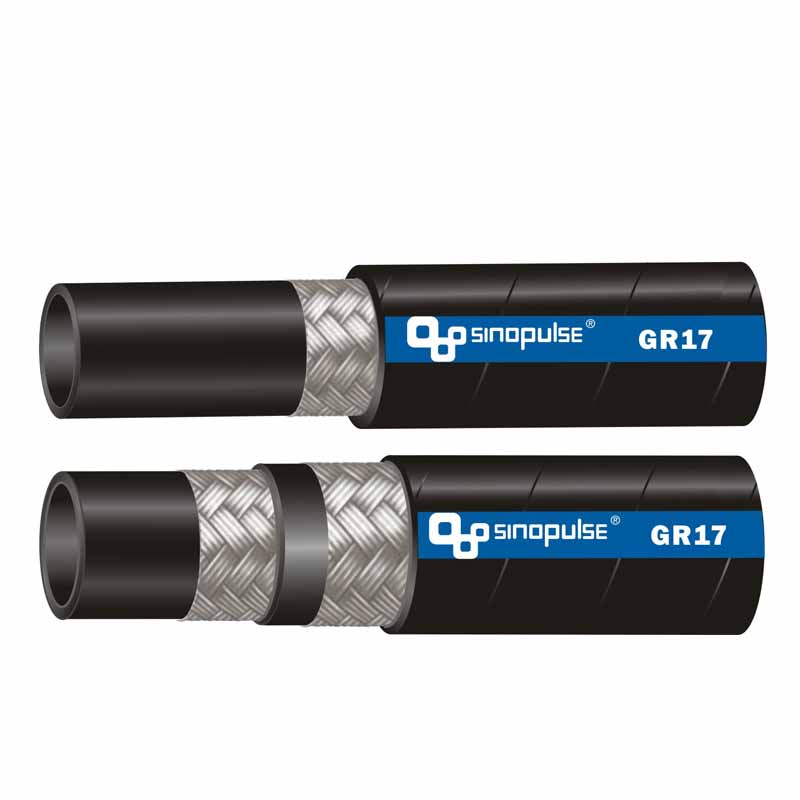


Mexico's industrial heartland, particularly in the Bajío and northern border regions, relies heavily on robust hydraulic lines to support the booming automotive and aerospace clusters. The extreme temperature fluctuations between the highlands and coastal areas demand rubber compounds that can resist both thermal expansion and degradation.
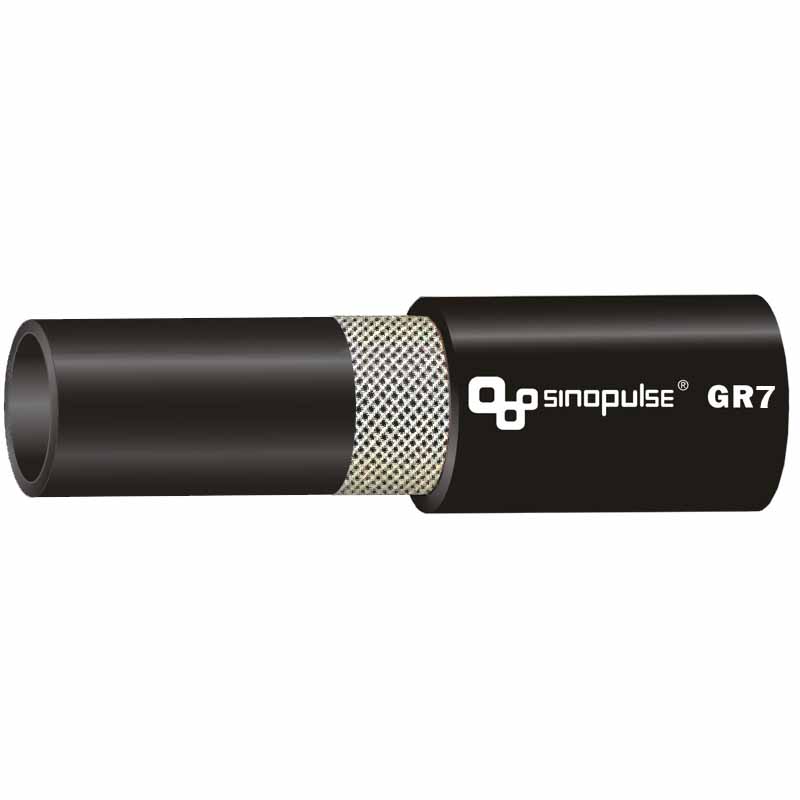
In the mining sectors of Sonora and Zacatecas, the prevalence of abrasive dust and corrosive minerals puts immense pressure on hose and hydraulics systems. This has led to a market shift toward reinforced synthetic rubber that offers superior abrasion resistance compared to traditional organic polymers.
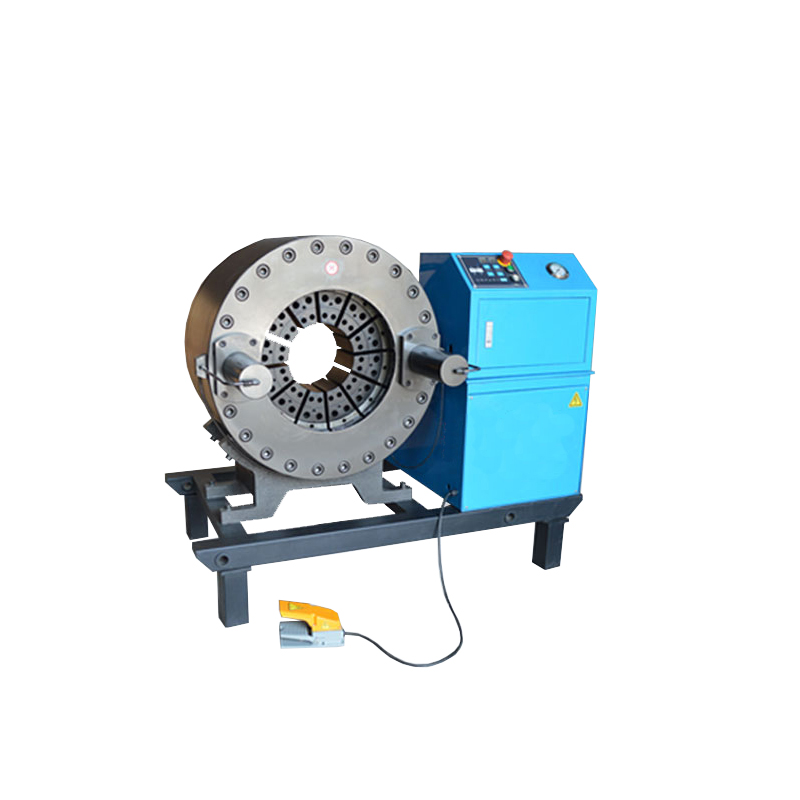
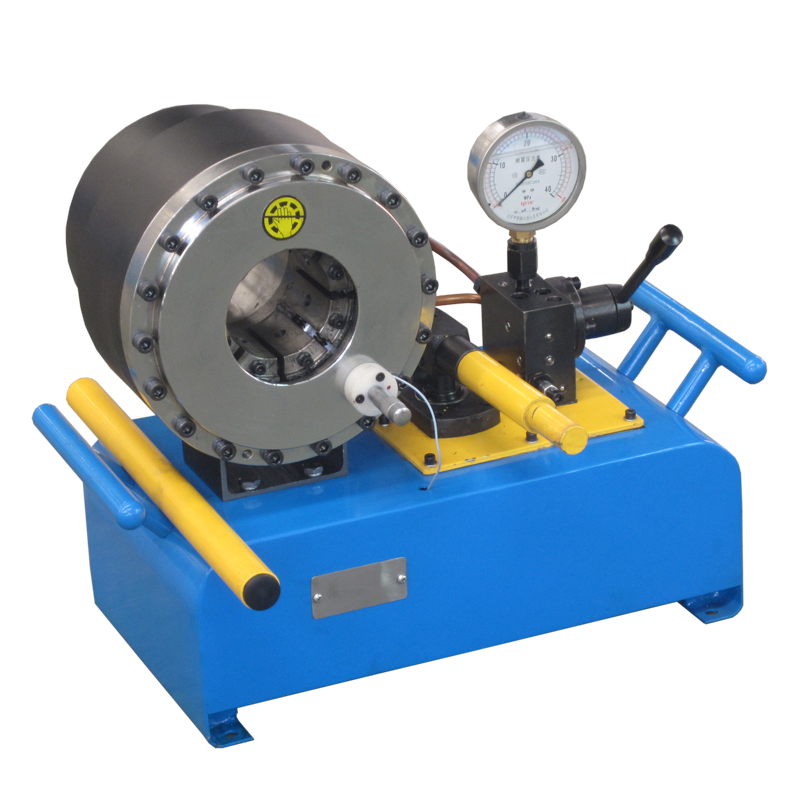
Furthermore, the integration of USMCA trade standards has pushed Mexican manufacturers to adopt North American safety specifications. This evolution necessitates a transition toward high-precision hydraulic hose assemblies that meet strict burst-pressure certifications to minimize downtime in 24/7 production cycles.