

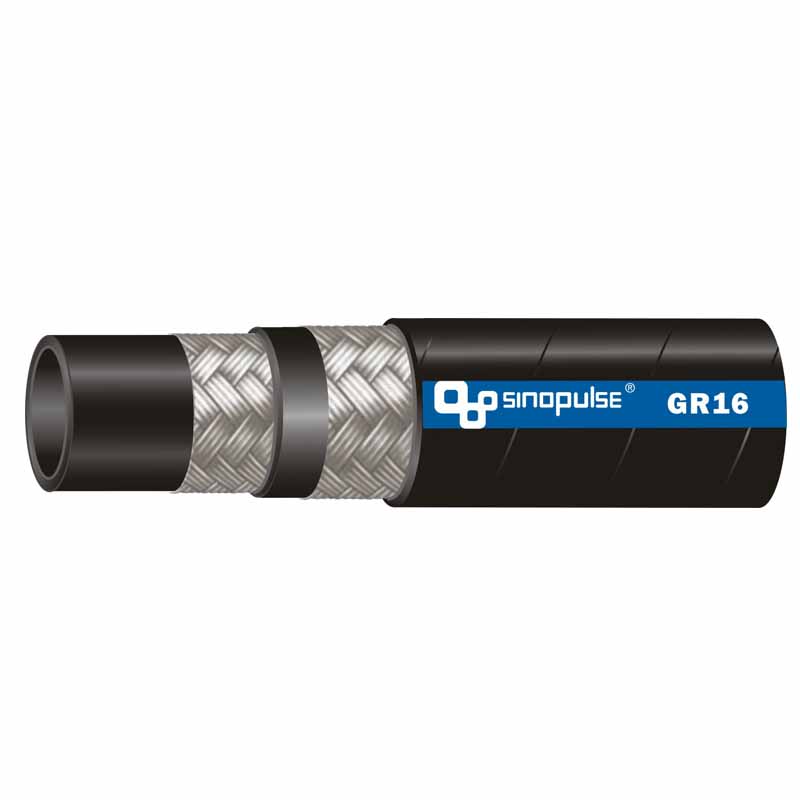
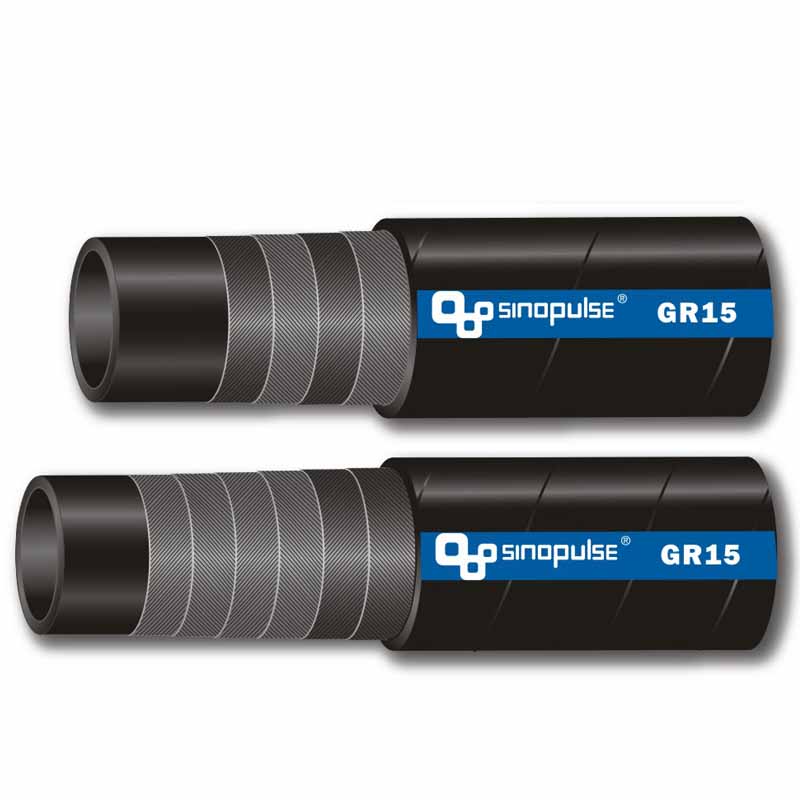
In Kenya, the industrial sector relies heavily on robust hydraulic lines to power everything from tea processing plants in Kericho to construction machinery in Nairobi. However, the tropical climate and high UV exposure often lead to premature rubber degradation and cracking, necessitating materials with superior ozone and heat resistance.
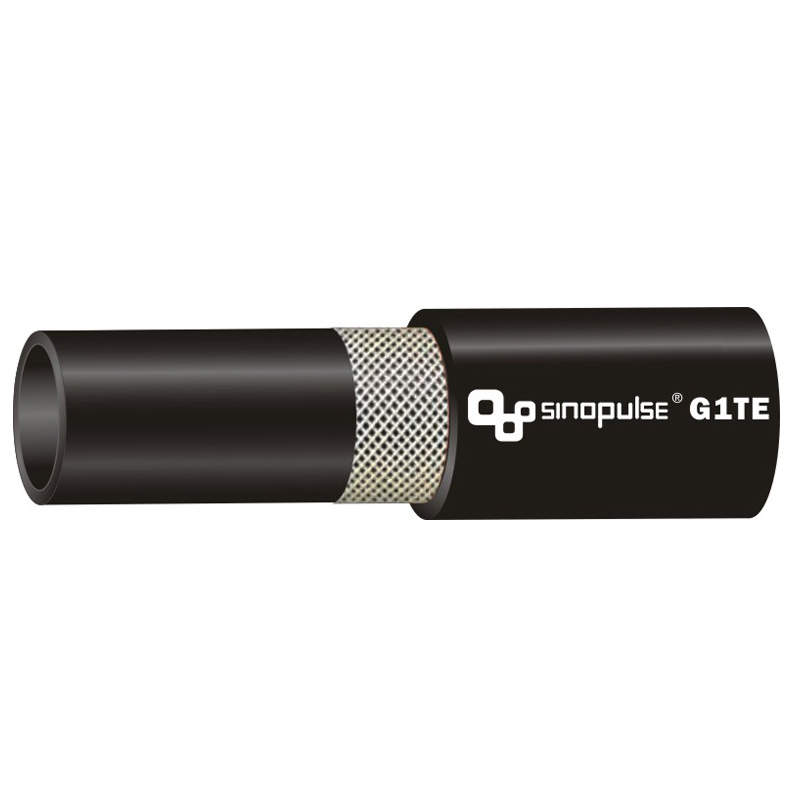
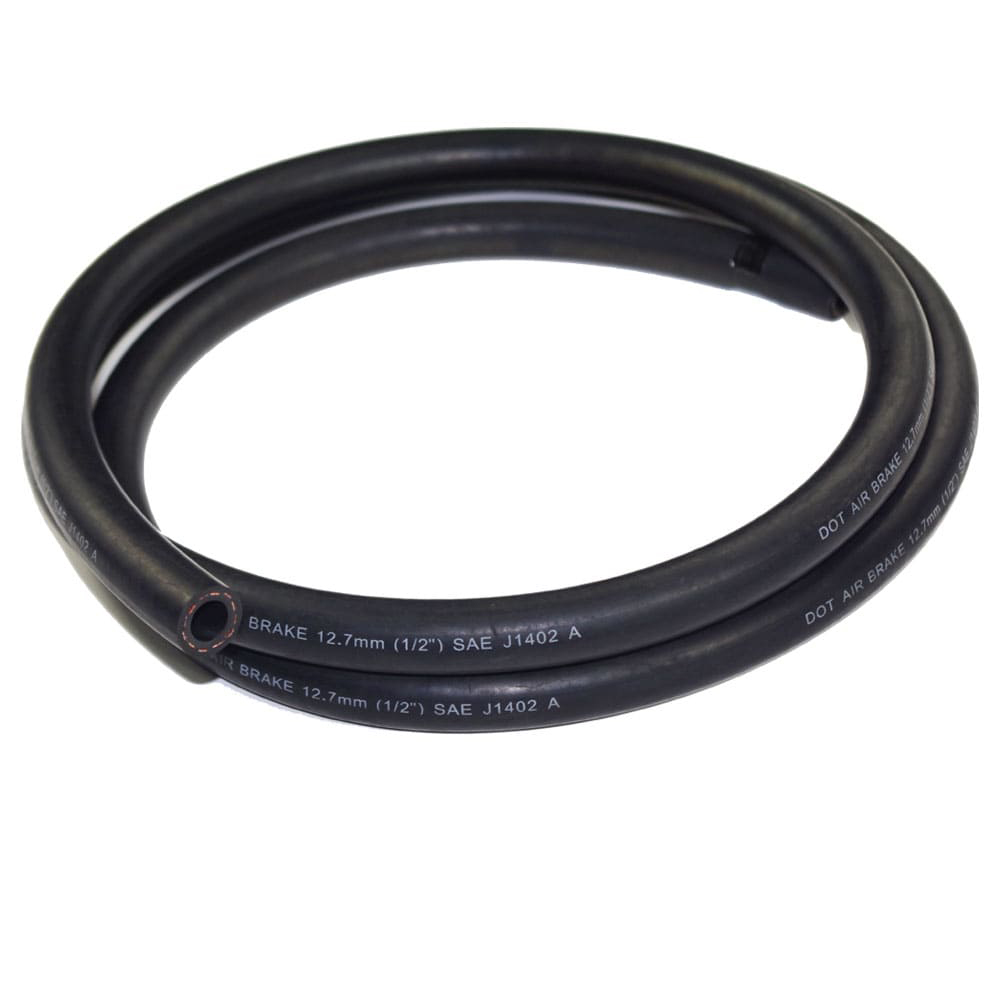
The market is currently transitioning from generic imports to specialized rubber compounds. Many local operators face downtime due to the lack of high-grade hose and hydraulics components that can withstand the abrasive dust and erratic temperature swings characteristic of the Rift Valley region.
Economic growth in the manufacturing of rubber boards and tubes has increased, but the gap remains in high-specification pressure ratings. The demand for certified, leak-proof systems is rising as Kenyan industries align with international safety and environmental standards.