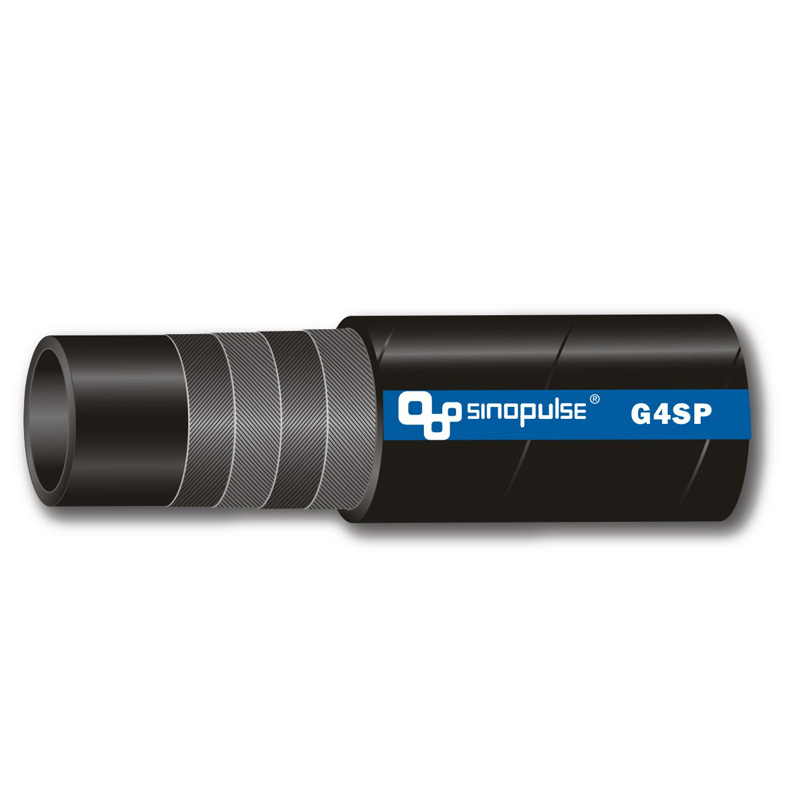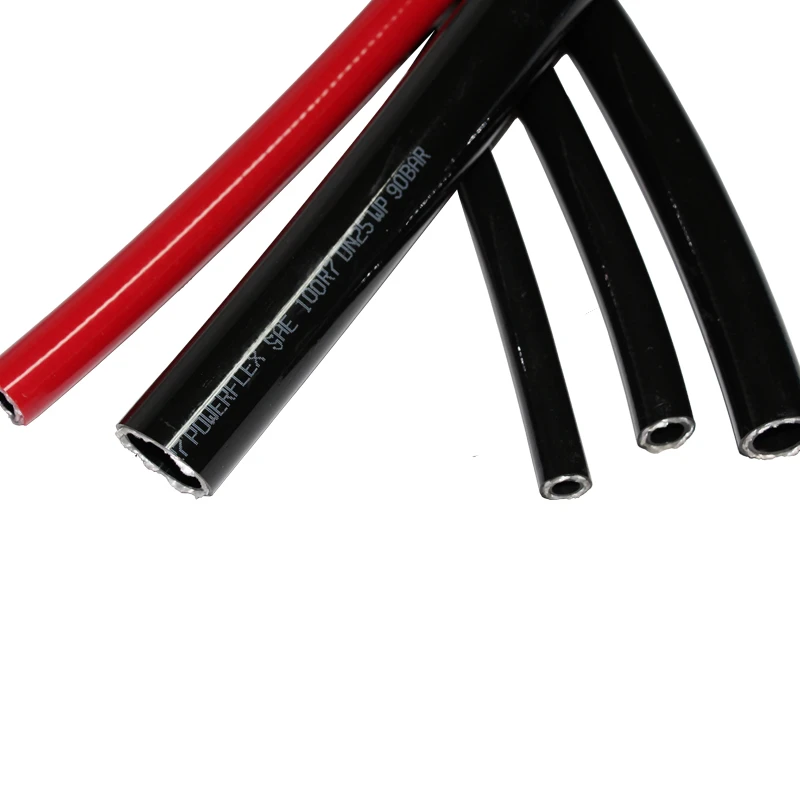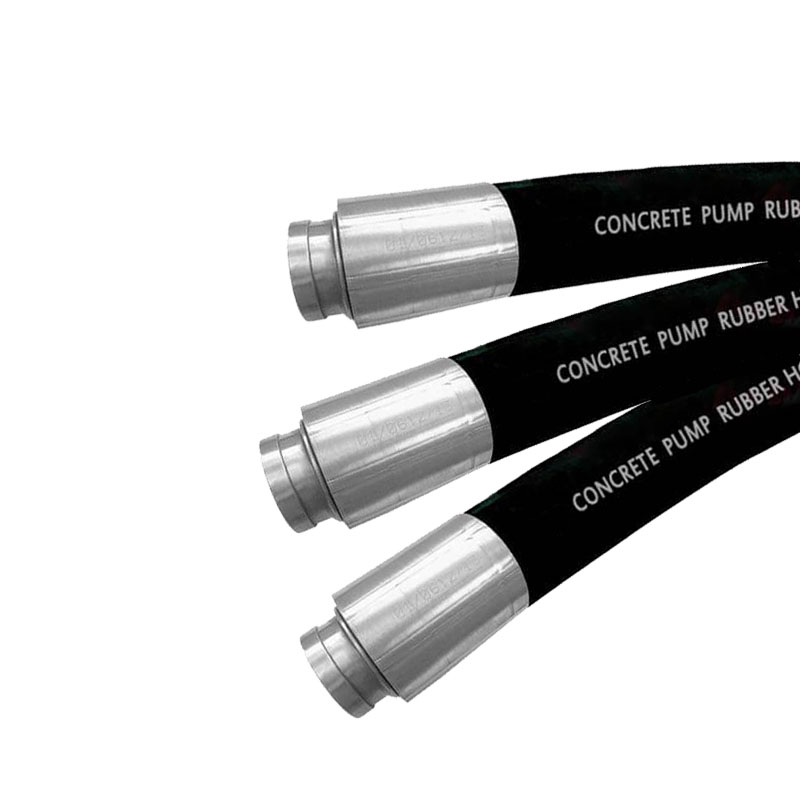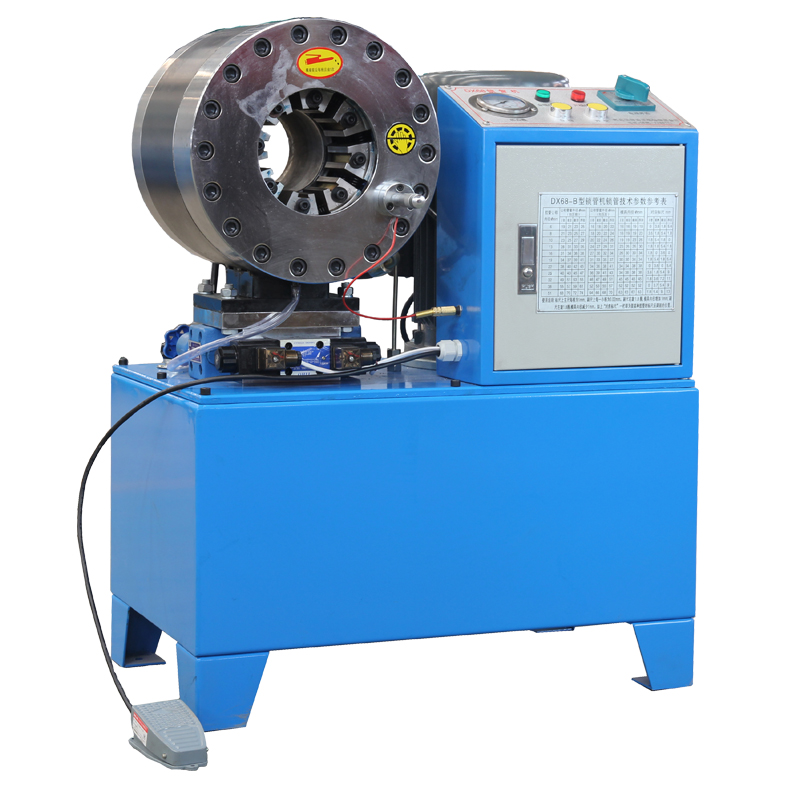


In Ecuador, the demand for robust hydraulic lines is driven by the duality of its geography. From the high-altitude mining operations in the Andes to the coastal oil installations, rubber components face extreme temperature fluctuations and corrosive salt air, requiring advanced synthetic rubber compounds.
The local manufacturing sector has historically relied on imported standards, but there is a growing shift toward specialized rubber products that can withstand high humidity and UV exposure. This environmental stress makes the durability of the outer cover critical for preventing ozone cracking and premature failure.
Currently, the Ecuadorian market is transitioning from basic replacement cycles to predictive maintenance. This evolution necessitates a higher grade of hose and hydraulics integration to reduce downtime in critical sectors like agriculture and petroleum extraction.