Your Trusted 24 Hours Service Provider!
  • sns01
  • sns02
  • sns04
  • sns06
  • social (2)

Industrial high pressure hydraulic hose Solutions for Bangladesh

Engineered for extreme durability in South Asia's most demanding industrial environments, ensuring zero-leak performance and maximum operational efficiency.

Industrial high pressure hydraulic hose Solutions for Bangladesh

Providing high-grade rubber and plastic piping systems specifically optimized for the heavy machinery and infrastructure projects across Bangladesh.

The Current Landscape of hydraulic lines in Bangladesh

Analyzing the challenges of rubber product longevity in tropical climates.

In Bangladesh, the rubber and plastics industry faces significant hurdles due to the high humidity and extreme monsoon seasons. The degradation of standard hydraulic lines is accelerated by moisture infiltration and thermal fluctuations, leading to frequent downtime in the garment and textile machinery sectors.

Economic growth in Dhaka and Chittagong has spiked the demand for robust hose and hydraulics systems. However, many local workshops still rely on outdated rubber compounding techniques that lack the necessary resistance to synthetic oils and chemical corrosion prevalent in the local chemical plants.

The market is currently transitioning from basic generic imports to specialized engineering. There is a critical need for rubber products that can withstand the high-salt environments of coastal industrial zones, where oxidation often compromises the integrity of standard hydraulic fittings.
Evolution of hydraulic hose Technology

From traditional rubber tubes to high-performance reinforced polymers.

Market Development History

During the late 20th century, the Bangladesh market relied primarily on single-wire braided rubber tubes. These early versions were prone to bursting under the fluctuating pressures of aging industrial pumps, offering limited safety margins for heavy-duty applications.

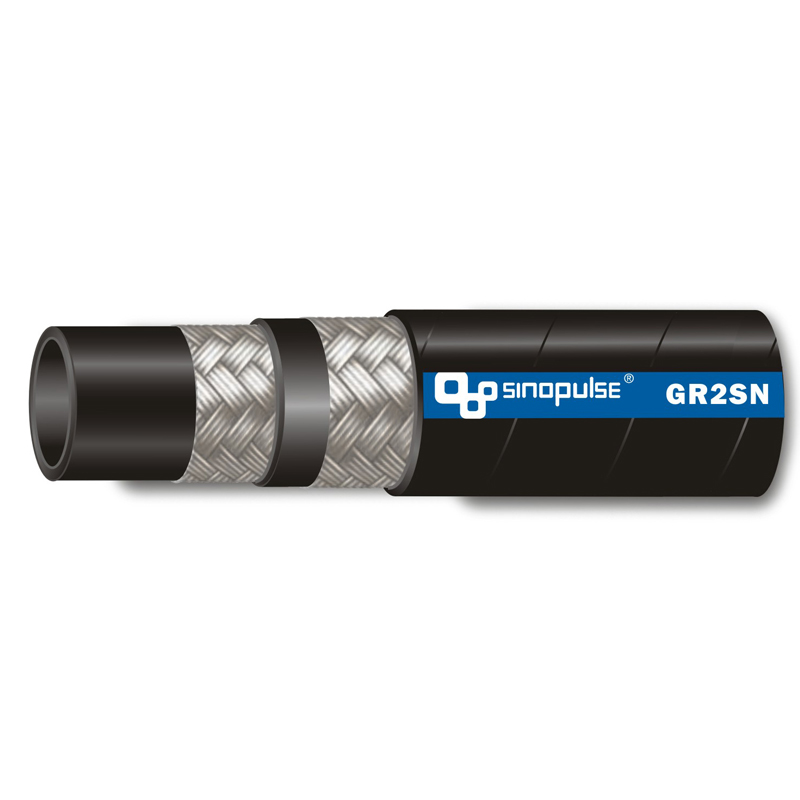
By the 2010s, a shift occurred toward multi-spiral wire reinforcement. The introduction of synthetic rubber blends like Nitrile (NBR) allowed for better oil resistance, significantly extending the lifespan of 1 hydraulic hose assemblies used in construction equipment.

In the current era, the integration of thermoplastic materials and advanced vulcanization processes has enabled the production of hoses that combine flexibility with immense pressure ratings, meeting international ISO and SAE standards for the first time in the region.

Future Development Trends

Bio-Based Rubber Polymers

Research is shifting toward sustainable, eco-friendly rubber composites that reduce the carbon footprint of manufacturing without sacrificing the pressure-bearing capacity of the lines.

Smart Monitoring Integration

The future will see embedded sensors within the hose walls to detect micro-leaks and pressure drops in real-time, preventing catastrophic failures in critical infrastructure.

Extreme Temperature Resistance

Development of new fluoropolymer linings to handle the increasing heat loads generated by high-efficiency hydraulic systems in tropical urban centers.

Future Trends & Strategic Outlook

Predicting the shift in hydraulic rubber manufacturing for 2025-2030.

Material Nano-Coating
Applying nano-scale protective layers to rubber exteriors to repel moisture and ozone degradation.
Precision Crimping Tech
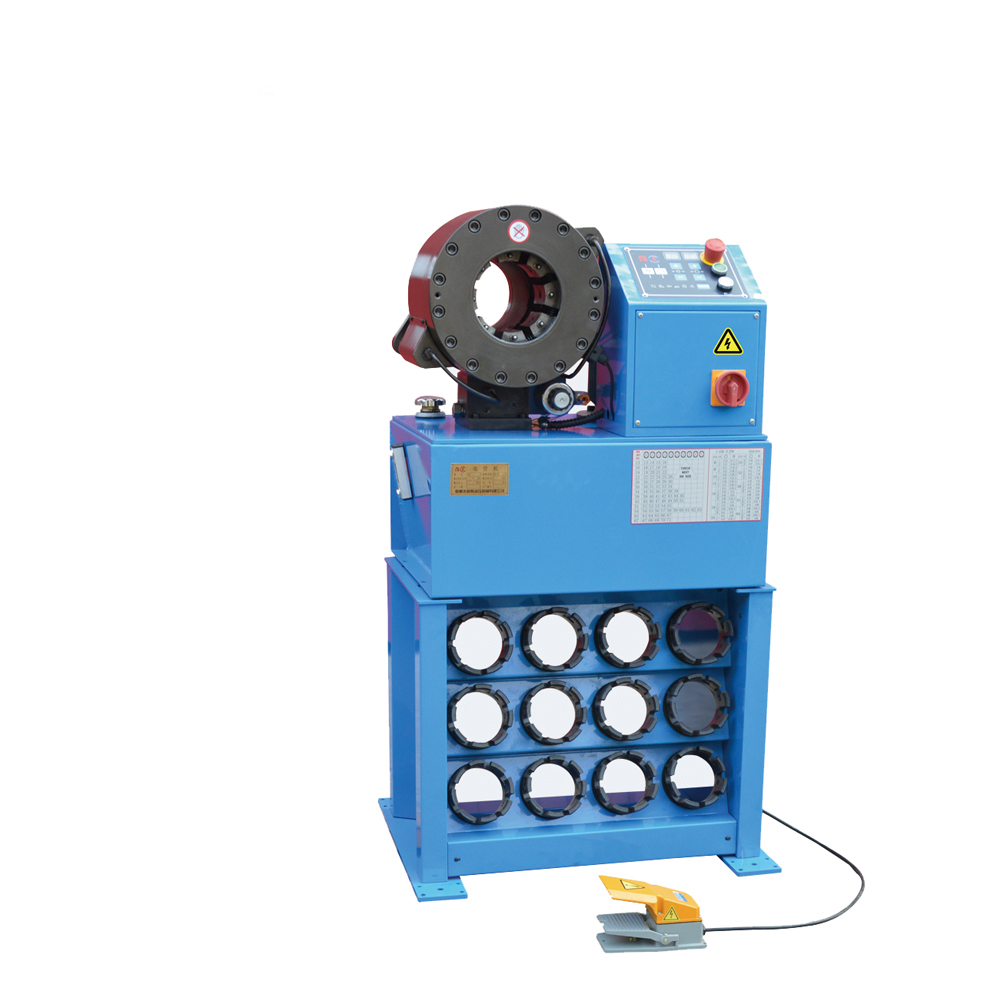
Adopting automated CNC crimping to eliminate human error in high-pressure joint assembly.
Hybrid Polymer Blends
Mixing elastomers for specific chemical resistance against local agricultural pesticides.
Modular Hose Kits
Standardized rapid-replacement kits to reduce machine downtime during emergency repairs.

Industry Outlook

Google search trends indicate a rising interest in "energy-efficient hydraulics" and "leak-free rubber piping" within the South Asian industrial corridors. This suggests that Bangladesh is moving toward a "preventative maintenance" model rather than "reactive repair."

We anticipate that the integration of high-tensile steel braiding with advanced synthetic rubbers will become the baseline requirement for any infrastructure project, as the government pushes for larger-scale bridge and port developments.

Localized Application Scenarios in Bangladesh

Real-world deployment of high-performance rubber products across various sectors.

01. Ready-Made Garment (RMG) Machinery

Utilizing oil-resistant rubber lines for hydraulic presses and fabric cutting machines to ensure smooth operation in high-temperature factory environments.

02. Chittagong Port Logistics

Deployment of corrosion-resistant high pressure hoses for heavy-duty cranes and container handling equipment exposed to saline sea air.

03. Agricultural Irrigation Systems

Implementing durable rubber piping for water pump hydraulics in rural farming zones, designed to resist UV exposure and soil acidity.

04. Urban Infrastructure Construction

Supplying reinforced hydraulic lines for excavators and piling rigs used in the development of Dhaka's Metro Rail and flyover projects.

05. Textile Dyeing Plants

Using specialized chemical-resistant hoses to transport hydraulic fluids in plants where acid and alkali vapors are common.

Brand Story

Global Development Journey of Hebei Xinnuo Power Technology Group Co., Ltd.

Foundation of Excellence

Started as a specialized rubber workshop focusing on the core challenges of pressure loss in industrial piping.

Technological Breakthrough

Developed a proprietary vulcanization process that increased hose fatigue life by 40%, solving the industry's burst-rate pain point.

Global Standardization

Achieved ISO and SAE certifications, allowing our rubber products to enter the most stringent markets in Europe and Asia.

Strategic Expansion

Established a dedicated supply chain for the Bangladesh market to provide rapid-response hydraulic solutions.

Future-Proofing Industry

Investing in R&D for smart-hoses to lead the transition towards Industry 4.0 in the rubber manufacturing sector.

Complete Hydraulic Product Portfolio for Bangladesh

A comprehensive range of rubber and plastic solutions tailored for the local market.

Hydraulic Solutions FAQ - Bangladesh

Answers to the most common technical queries from our local partners.

How does humidity in Bangladesh affect high pressure hydraulic hose lifespan?

High humidity can lead to outer cover degradation and oxidation of the steel reinforcement. We use specialized synthetic rubber covers that provide a moisture barrier to prevent these effects.

What is the best way to maintain hydraulic lines in textile factories?

Regular inspection for "weeping" or micro-leaks is essential. Using protective sleeves can prevent chemical splashes from the dyeing process from corroding the rubber.

Can 1 hydraulic hose be customized for specific pressure requirements?

Yes, we offer customizable layering—from single to quadruple wire spirals—to match the specific PSI requirements of your machinery.

Which hose and hydraulics system is best for salt-air environments in Chittagong?

We recommend hoses with high-grade thermoplastic or specialized anti-corrosive coatings to prevent salt-induced embrittlement.

How do I identify the correct size for my hydraulic lines replacement?

Measure the inside diameter (ID), outside diameter (OD), and check the pressure rating stamped on the existing hose cover for exact matching.

What is the lead time for bulk orders of high pressure hydraulic hose to Bangladesh?

Depending on the customization level, lead times typically range from 15 to 30 days, inclusive of quality testing and shipping.

Ready to Optimize Your Hydraulic Systems?

Get expert consultation and high-performance rubber solutions delivered directly to your facility in Bangladesh.

Contact Us Now

If you are interested in our products, you can choose to leave your information here, and we will be in touch with you shortly.