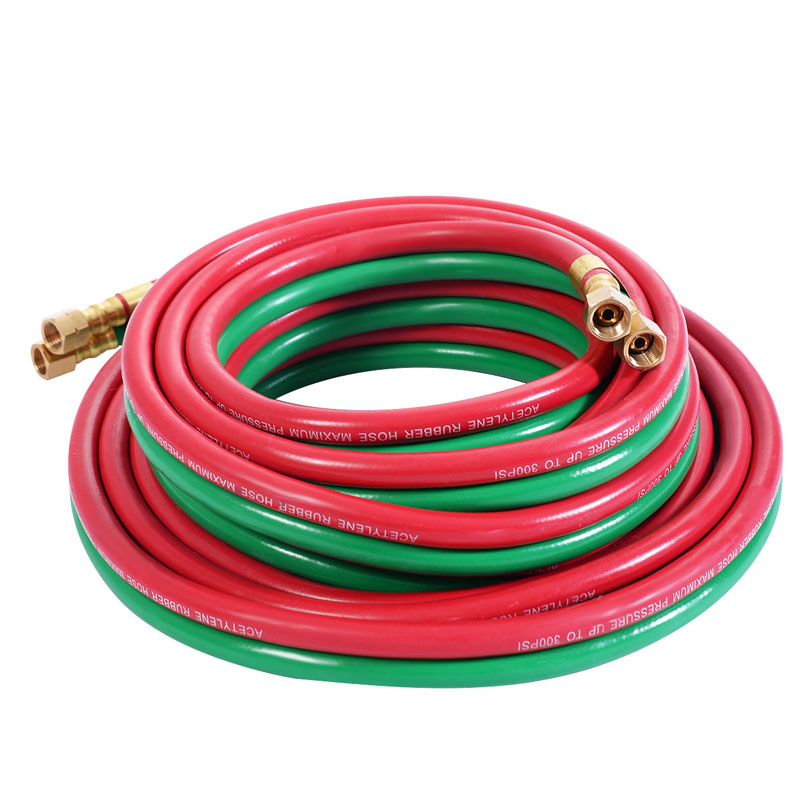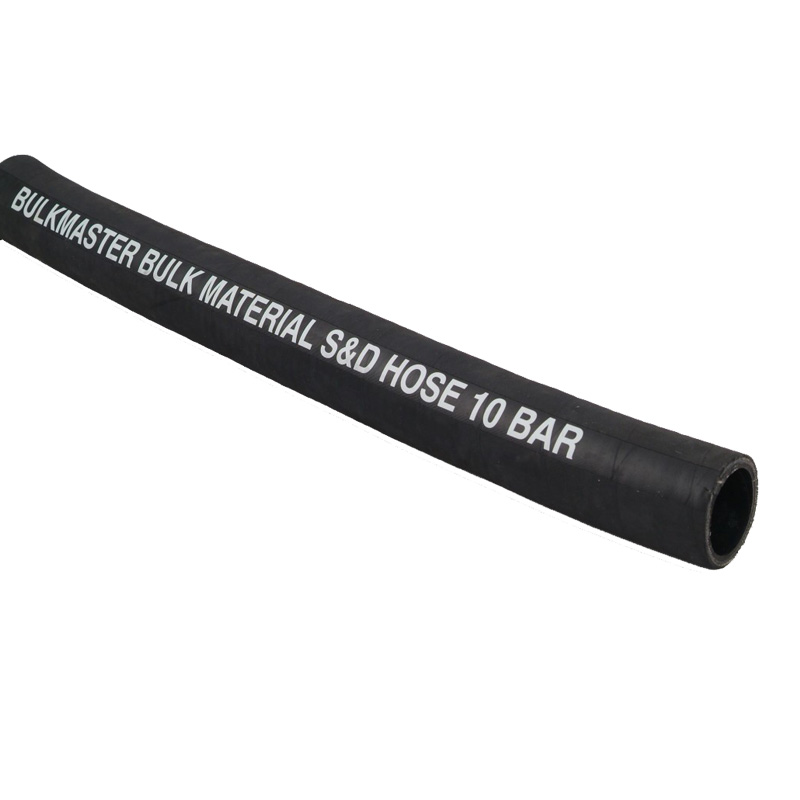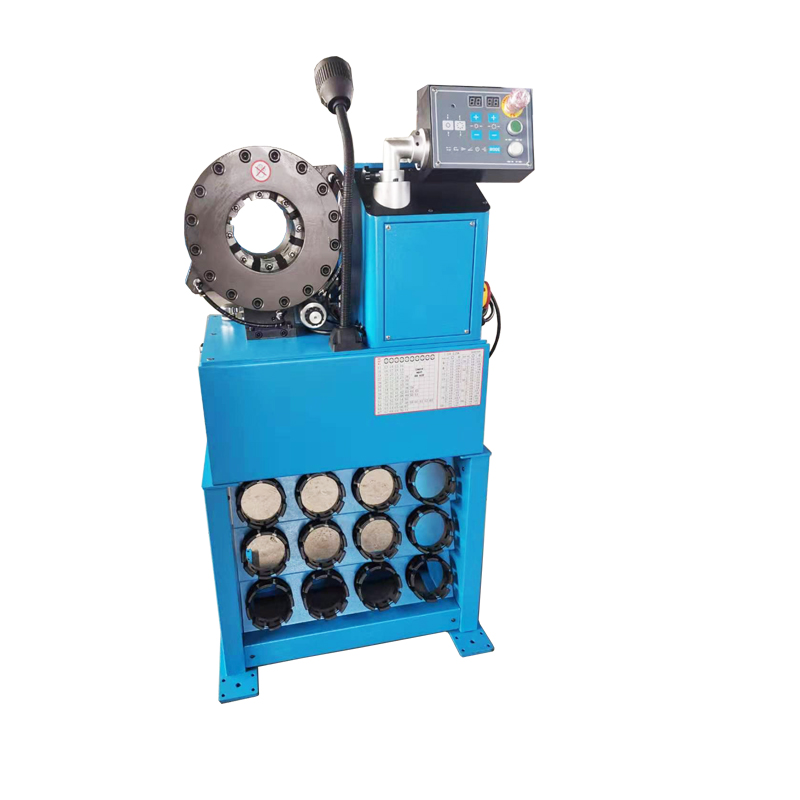


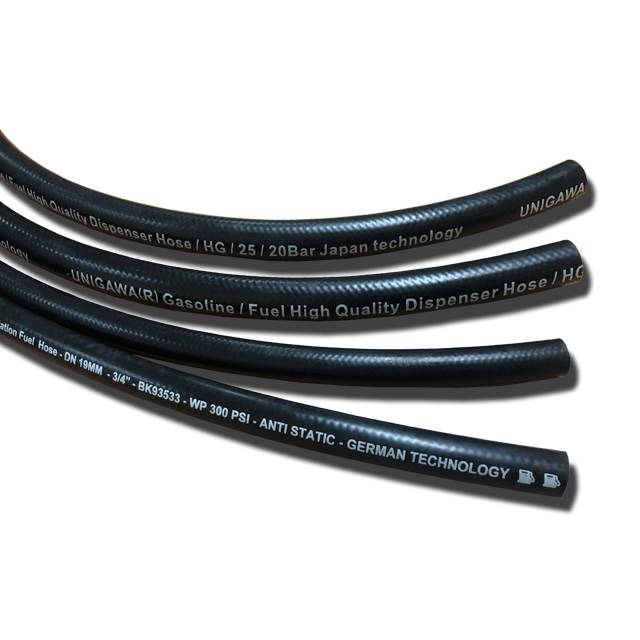
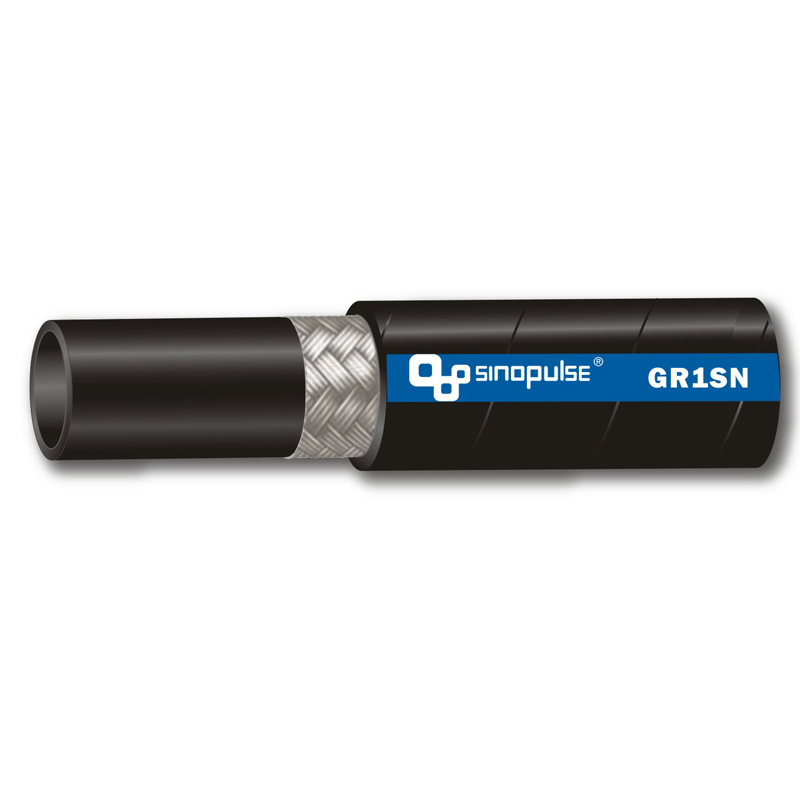
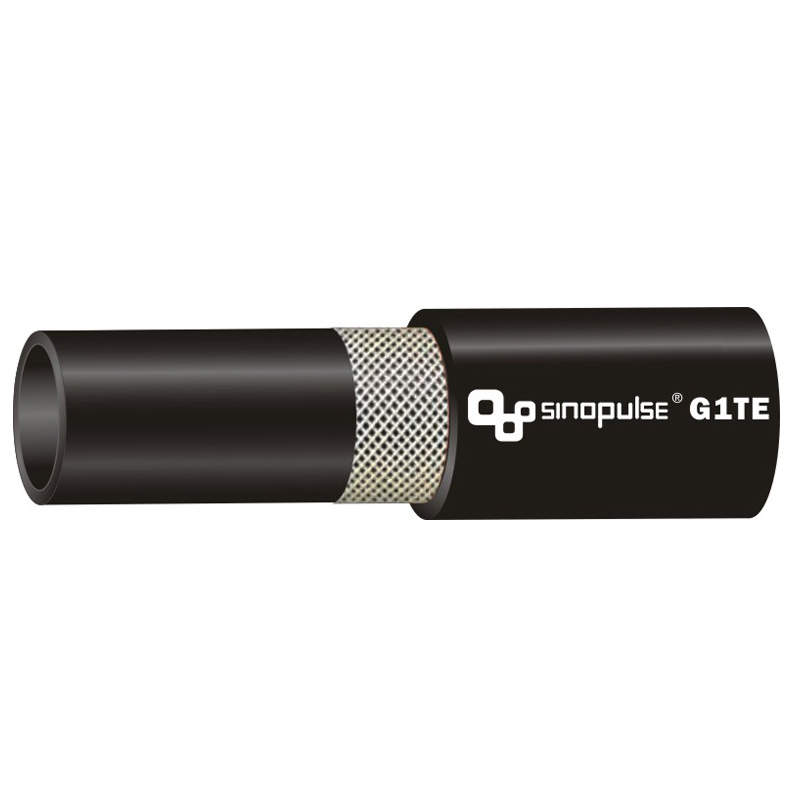
The Russian industrial landscape is characterized by extreme temperature fluctuations, where hydraulic lines must maintain flexibility at -40°C while resisting degradation during intense summer heat. This duality requires specialized rubber compounding and reinforced braiding to prevent premature cracking.
Currently, the demand for hose and hydraulics is surging within the Arctic mining and oil sectors. The reliance on heavy machinery in remote regions like Norilsk and Yakutsk makes the reliability of rubber components a critical factor in preventing costly downtime.
Furthermore, the shift toward domestic industrial sovereignty in Russia has led to a rigorous evaluation of material standards, emphasizing the need for high-tensile strength and chemical resistance in every hydraulic hose deployed in factory automation.