

The industrial sector in Qatar is characterized by a heavy reliance on oil, gas, and large-scale infrastructure projects. In this environment, hydraulic lines are subjected to ambient temperatures often exceeding 50°C, which accelerates the degradation of standard rubber compounds, leading to premature cracking and fluid leakage.
Furthermore, the proximity to the Persian Gulf introduces high salinity and humidity. For manufacturers of rubber plates, tubes, and belts, this requires a shift toward specialized polymers that resist ozone and salt spray, ensuring that hose and hydraulics systems remain operational without frequent downtime in critical energy plants.
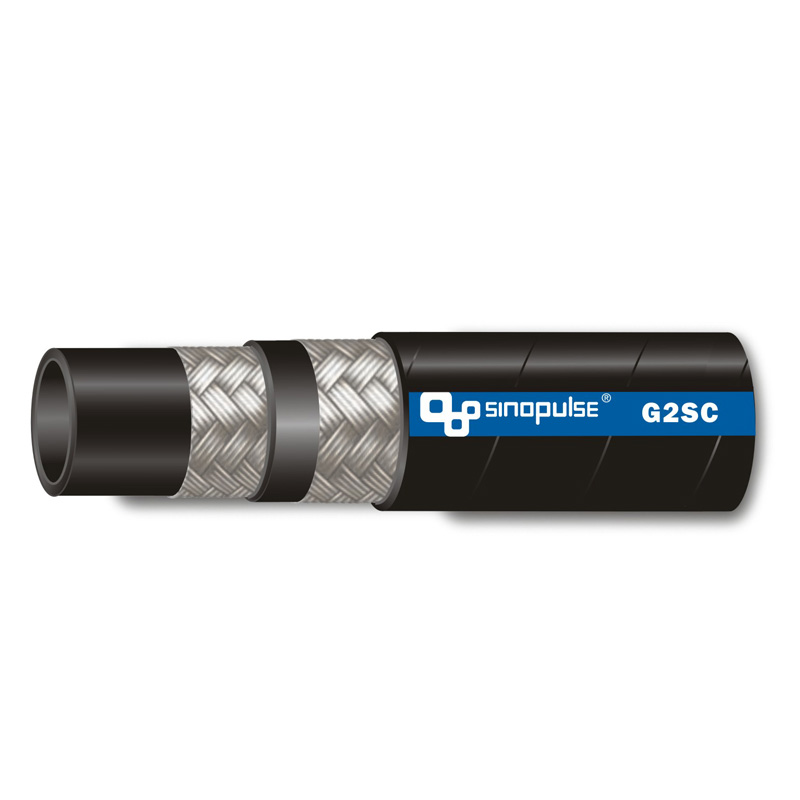
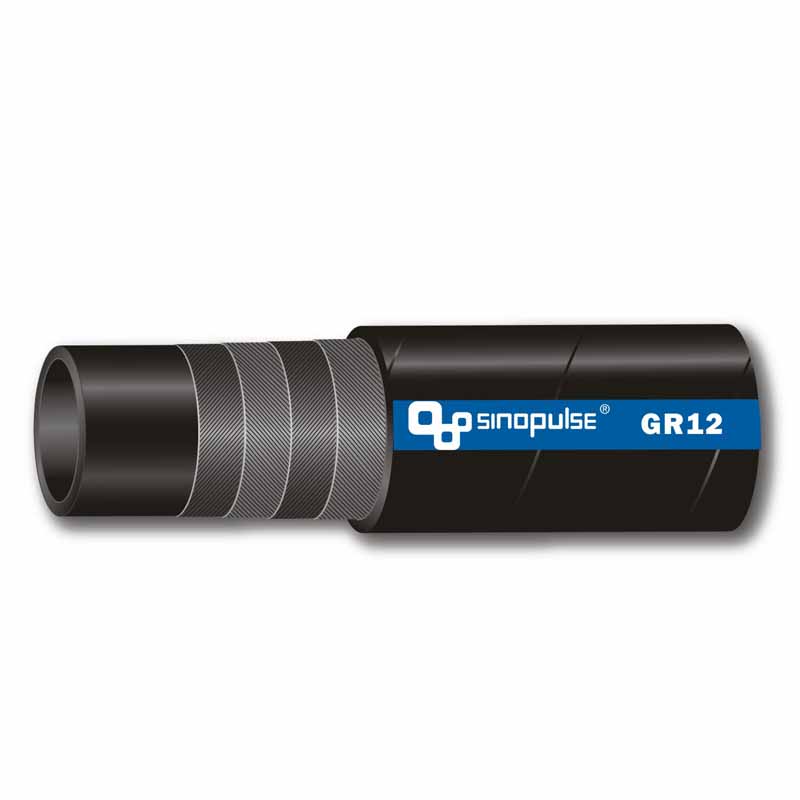
Currently, the market is transitioning from generic imports to precision-engineered components. The demand for 1 hydraulic hose assembly with integrated heat shielding has spiked as Qatari industries strive for higher safety standards and operational efficiency in the North Field expansion projects.