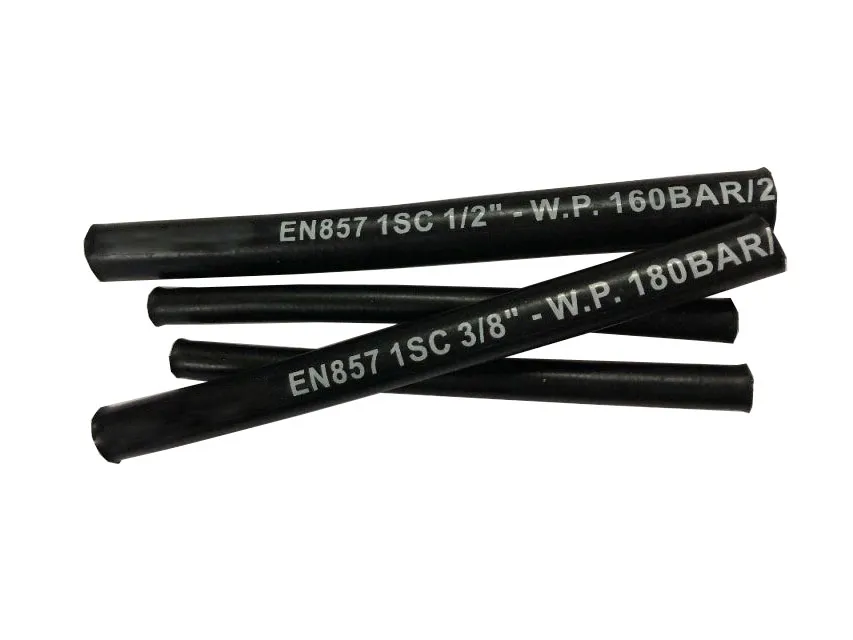


High Performance PA Industrial ss braided hose manufacturer
Selecting a high-performance fluid conveyance system requires a deep understanding of material compatibility and reinforcement architecture. For applications involving mineral oils, lubricants, and water-glycol based fluids, the synergy between Polyamide (PA) construction and synthetic yarn braiding provides a critical balance of flexibility and pressure resistance. These specialized hoses are engineered to operate in demanding environments, maintaining structural integrity from -40℃ up to 100℃, which is essential for industrial machinery where thermal cycling is frequent.
Whether you are optimizing a hydraulic circuit or designing a new fluid transfer system, the choice of reinforcement and cover material directly impacts the service life and safety of the equipment. By leveraging MSHA-accepted thermoplastic or nylon covers, operators can ensure compliance with stringent safety standards while benefiting from a lightweight yet durable solution that resists abrasion and chemical degradation in harsh industrial settings.

Advanced PA Construction and Synthetic Yarn Reinforcement Architecture
The core of this industrial hose lies in its PA (Polyamide) tube, a material selected for its exceptional chemical stability and mechanical strength. Polyamide serves as an ideal barrier for various media, including biological oils and lubricants, preventing permeation and ensuring that the fluid remains contained under high-pressure conditions. This inner layer provides the necessary smoothness to minimize pressure drops across the system.
To handle the rigorous stresses of industrial operation, the tube is reinforced with two layers of high-tensile synthetic yarn braiding. Unlike traditional rubber reinforcements, this braided architecture allows for a tighter bend radius without compromising the bursting pressure. The synthetic yarn is specifically chosen for its fatigue resistance, ensuring that the hose can withstand repeated flexing and vibration without developing internal fractures or structural weaknesses.
The external protection is provided by a high-flexibility nylon or thermoplastic cover. This outer layer is not merely a protective skin; it is MSHA accepted, making it suitable for mining and heavy industrial environments where fire safety and abrasion resistance are paramount. The combination of PA, dual-braid reinforcement, and a rugged cover results in a hose that is both lightweight and capable of enduring extreme operational demands.

Operational Performance and Material Compatibility Limits
Thermal stability is a defining characteristic of this hose series. With a standard operating range of -40℃ to +100℃, and the ability to handle intermittent peaks up to 110°C, it is engineered for environments where temperature fluctuations are common. This wide thermal window prevents the tube from becoming brittle in cryogenic conditions or softening excessively under high heat, ensuring consistent flow rates and safety.
Compatibility with various fluids is critical for preventing internal degradation. This product is specifically validated for use with:
- Mineral and Biological Oils: Ideal for hydraulic systems requiring biodegradable fluids.
- Water-Glycol Based Fluids: Suitable for fire-resistant hydraulic applications.
- Lubricants and Water: Versatile enough for general industrial lubrication and cooling circuits.
Furthermore, the product's adherence to international standards is evidenced by its ISO9001:2015, GOST, and SGS approvals. These certifications verify that the manufacturing process is controlled and the final product meets global benchmarks for safety and performance, reducing the risk of catastrophic failure in critical fluid lines.
Strategic Application Scenarios in Heavy Industry and Mining
The integration of MSHA-accepted materials makes these hoses a primary choice for the mining sector. In underground mining operations, the risk of abrasion from rock and the requirement for flame-retardant materials are high. The thermoplastic cover provides the necessary toughness to resist external wear, while the PA tube ensures that biological oils used in hydraulic lifts and drills do not leak, protecting both the environment and the machinery.
In general manufacturing, these hoses are frequently utilized in automated assembly lines and robotic arms where flexibility is key. The dual-braid reinforcement allows for a compact bend radius, enabling the hose to navigate tight spaces without kinking. This is particularly valuable in the construction of compact hydraulic power units (HPUs) where space is at a premium but high working pressures are still required.
From a procurement perspective, the use of synthetic yarn over steel wire in specific low-to-medium pressure applications reduces the overall weight of the assembly. This results in lower stress on fittings and easier installation for technicians. When matching a hose to an application, engineers must consider the balance between the working pressure (ranging from 100 to 345 bar depending on size) and the required flexibility of the installation path.
Technical Specifications and Pressure Ratings by Size
| Dash Size (ID) | Outside Diameter | Working Pressure | Bursting Pressure |
|---|---|---|---|
| R8N-02 (1/8") | 3.4-3.6mm | 133 bar (1928 psi) | 532 bar (7715 psi) |
| R8N-04 (1/4") | 6.2-7.0mm | 159 bar (2306 psi) | 636 bar (9223 psi) |
| R8N-08 (1/2") | 12.3-13.5mm | 227 bar (3292 psi) | 908 bar (13170 psi) |
| R8N-12 (3/4") | 18.6-19.8mm | 135 bar (1958 psi) | 540 bar (7832 psi) |
| R8N-16 (1") | 25.0-26.4mm | 100 bar (1450 psi) | 400 bar (5801 psi) |
Evaluating Supplier Capabilities for Specialized Hose Assemblies
When sourcing from a high-capacity manufacturer, it is essential to look beyond the datasheet. A reliable partner must demonstrate a commitment to consecutive quality supply, ensuring that every batch of PA tubing and synthetic yarn meets the same tension and purity standards. This consistency is what prevents premature failure in the field, where a single weak point in the braiding can lead to a burst under pressure.
The ability to provide customized solutions is another critical factor. Since every industrial layout is unique, having a supplier that can integrate precision-engineered fittings and adapters is a significant advantage. This ensures leak-free performance and long-term reliability, as the interface between the hose and the fitting is often the most vulnerable point of the entire fluid system.
Moreover, the integration of advanced manufacturing technologies, such as CNC machining for joints and rigorous pressure testing protocols, distinguishes a professional provider. By adhering to strict quality control from raw material sourcing to final inspection, manufacturers can guarantee that the bursting pressure listed in the technical table is a reliable safety margin rather than a theoretical maximum.
Future Trends in Thermoplastic and Reinforced Hose Technology
The industry is currently shifting toward more sustainable and high-efficiency materials. We are seeing an increase in the demand for hoses that can handle bio-based lubricants without degrading, which places a higher premium on the chemical resistance of Polyamide. Future developments are likely to focus on further reducing the weight of the reinforcement layers while increasing the pressure ceiling, potentially through the use of advanced hybrid synthetic fibers.
Digitalization is also entering the hose assembly world. The move toward "smart hoses" with integrated sensors to monitor pressure drops or temperature spikes is becoming a reality in high-value industrial assets. This allows for predictive maintenance, where a hose is replaced based on actual wear data rather than a fixed calendar schedule, significantly reducing unplanned downtime.
For buyers, the key will be to partner with a supplier that invests in R&D and embraces automation. As global standards like ISO and MSHA evolve, the ability to rapidly adapt production lines to meet new safety and environmental regulations will be the primary differentiator in the global supply chain for hydraulic and industrial pipes.
Technical Insights and Common Procurement Questions
What makes PA tubes superior to traditional rubber for these applications?
PA (Polyamide) offers significantly better chemical resistance, lower permeability, and a smoother internal bore than most rubber compounds. This makes it ideal for mineral oils and lubricants, reducing fluid loss and maintaining system purity.
Can this hose be used in extreme cold environments?
Yes, the material is engineered to remain flexible and operational down to -40℃, preventing the cracks and brittleness typically associated with standard thermoplastic hoses in arctic or refrigerated conditions.
What does MSHA acceptance mean for the hose cover?
MSHA (Mine Safety and Health Administration) acceptance indicates that the cover material meets specific safety requirements for use in mining, particularly regarding flame resistance and durability in hazardous environments.
How does the synthetic yarn braiding affect the bend radius?
The high-tensile synthetic yarn is more flexible than steel wire, allowing the hose to achieve a tighter bend radius without kinking, which is essential for installations in compact machinery.
Which fluids should be avoided with this specific hose?
While it is excellent for mineral oils, water-glycol, and lubricants, you should always verify compatibility with highly aggressive solvents or specialized acids that may exceed the chemical limits of Polyamide.
How is the bursting pressure different from the working pressure?
Working pressure is the maximum pressure the hose is designed to handle during normal operation. Bursting pressure is the point at which the hose fails; it is typically 4 times the working pressure to provide a critical safety margin.
Technical References and Industry Standards
- ISO 9001:2015 Quality Management Systems Standards
- Mine Safety and Health Administration (MSHA) Safety Guidelines
- SGS Global Technical Testing and Certification
- Industrial Fluid Conveyance Engineering Benchmarks
Ensuring the longevity of your industrial fluid systems starts with the correct specification of materials and reinforcement. By prioritizing MSHA-approved covers and high-tensile PA construction, operators can achieve a seamless balance of safety and performance. For those seeking a reliable ss braided hose manufacturer with a proven track record in global exports and German-influenced technology, focusing on certified quality and customization capabilities is the most effective path to operational excellence.
Related Technical Guides and Industry Analysis