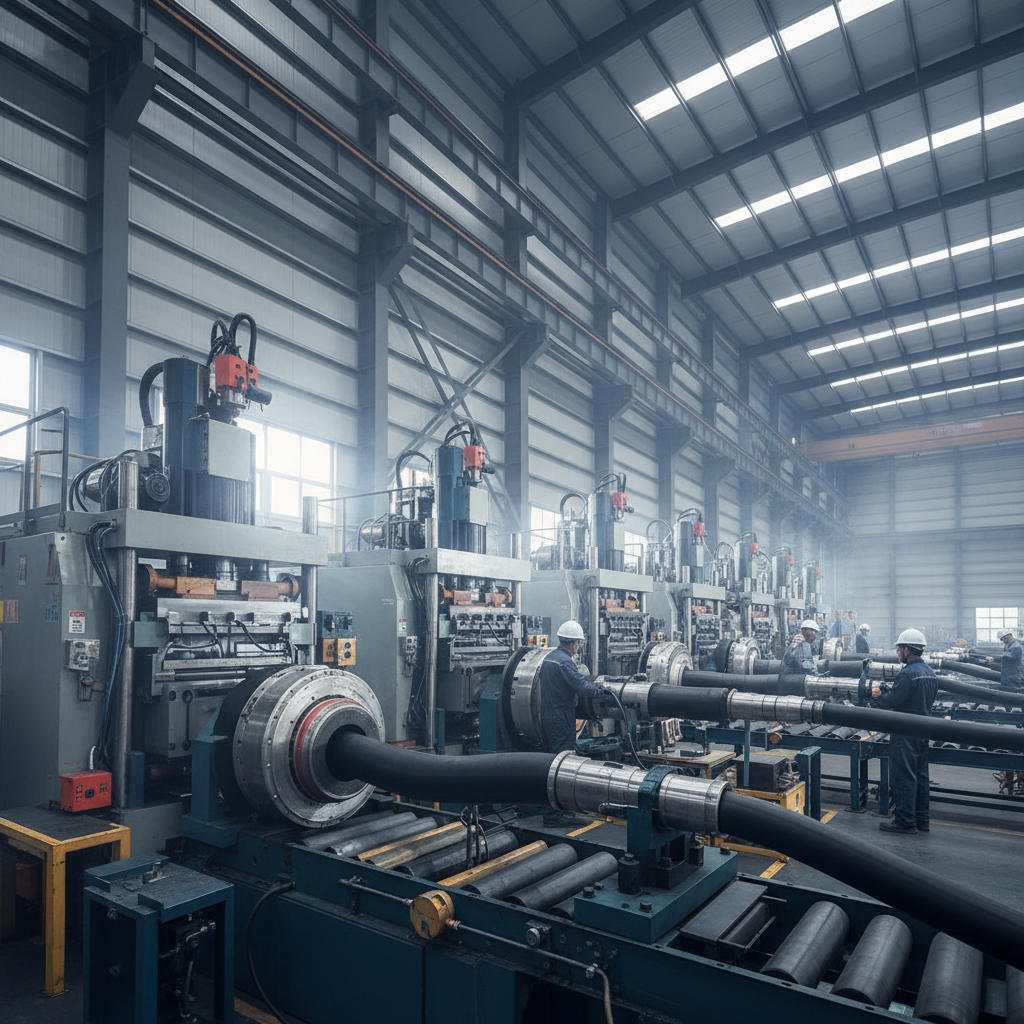


Selecting a reliable high pressure hose company is critical for industries where fluid power and system integrity directly impact operational safety. In the specialized field of rubber and plastics manufacturing, specifically for rubber sheets, pipes, and belts, the quality of high-pressure conveyance systems determines the lifespan of heavy machinery and the prevention of catastrophic leaks.
Procurement managers and engineers often struggle with balancing cost against the rigorous demands of extreme temperature, abrasion, and chemical exposure. A failure in a high-pressure line can lead to significant downtime and safety hazards, making the technical vetting of a manufacturer's quality control process more important than the initial purchase price.
This analysis provides a professional framework for evaluating high-pressure hose suppliers, focusing on material science, testing benchmarks, and application-specific selection criteria to ensure long-term system reliability.

Core Requirements for High Pressure Fluid Conveyance

High-pressure hoses are engineered to handle extreme internal forces while maintaining flexibility. The primary requirement is the synergy between the inner tube, the reinforcement layer, and the outer cover. For hydraulic systems, steel wire braiding or spiral reinforcement is essential to prevent hose expansion and rupture under peak pressure loads.
Beyond pressure ratings, chemical compatibility is a non-negotiable factor. Whether utilizing PTFE for corrosive chemicals or specialized rubber for oil and fuel, the material must resist degradation to avoid internal lining collapse, which can introduce contaminants into the hydraulic system and cause valve failure.
Evaluating Manufacturing Capabilities and Quality Control
A professional high pressure hose company must demonstrate a rigorous testing regime. Quality assurance starts with raw material verification, such as Mooney viscosity and relaxation testing, to ensure the rubber compound meets specific flexibility and durability standards before production begins.
Advanced factories, such as Sinopulse, implement a multi-stage validation process including UV lamp aging tests, ozone aging chambers, and heat aging test chambers. These simulations ensure that the hose can withstand harsh environmental exposure without cracking or losing its structural integrity over its intended service life.
Matching Hose Specifications to Industrial Applications
Different industries demand specialized hose architectures. In the energy exploration and construction sectors, steel wire spiral hydraulic hoses are preferred for their ability to handle high-impulse pressures and extreme bending cycles. Conversely, in food-grade or pharmaceutical environments, non-toxic materials and smooth-bore interiors are required to prevent bacterial growth.
For steam and hot water applications, the focus shifts to thermal resistance and ozone weathering. Large diameter steam hoses, such as the 12-inch capabilities offered by Sinopulse, are specifically engineered with high-temperature resistant covers to prevent blistering and premature aging in automobile cooling systems or industrial cleaning equipment.
Technical Performance Benchmarks Across Hose Types
Comparing different hose reinforcements allows engineers to optimize for weight, flexibility, and pressure capacity. While textile braiding is sufficient for low-to-medium pressure return lines, steel wire reinforcement is mandatory for high-pressure supply lines. The following illustrative framework compares the relative performance of common reinforcement types.
This conceptual comparison indicates that while Spiral Steel offers the highest pressure resilience, it sacrifices flexibility compared to Braided Steel or Thermoplastic options. The selection must align with the specific installation constraints of the machinery.
Risk Mitigation in High Pressure Hose Selection
The most significant risk in high-pressure systems is "hose burst" caused by improper pressure rating or fatigue. To mitigate this, buyers must verify the burst-to-working pressure ratio. A safe industrial standard typically requires a safety factor of 4:1, meaning the burst pressure is four times the maximum working pressure.
Another critical risk is improper fitting installation. Even the highest quality hose will fail if the crimping process is flawed. Utilizing precision hose crimping and skiving machinery ensures a leak-proof seal and prevents the hose from slipping off the fitting under peak load, which is a common cause of industrial accidents.
Common Procurement Pitfalls and Engineering Errors
A common mistake is prioritizing the lowest unit cost over the total cost of ownership (TCO). Low-cost hoses often use recycled rubber or inferior reinforcement, leading to frequent replacements and expensive unplanned downtime. Evaluating the "service life per dollar" is a more accurate procurement metric.
Engineering errors often occur when ignoring the "minimum bend radius." Forcing a high-pressure hose into a tight curve creates stress concentrations in the reinforcement layers, leading to premature fatigue and sudden failure. Technical documentation from the manufacturer must be strictly followed during system layout.
Supplier Evaluation and Decision Matrix
When vetting a high pressure hose company, buyers should use a structured matrix that evaluates technical capability, quality certifications, and service support. A supplier's ability to provide customized OEM solutions and a comprehensive range of products—from hydraulic and industrial hoses to testing benches—indicates a higher level of vertical integration and quality control.
| Hose Category | Primary Reinforcement | Best Use Case | Critical Factor |
|---|---|---|---|
| Hydraulic Spiral | Steel Wire Spiral | High-Impulse Machinery | Pressure Fatigue |
| Hydraulic Braided | Steel Wire Braid | General Hydraulic Lines | Flexibility |
| PTFE Braided | Stainless Steel | Chemical / Corrosive | Thermal Stability |
| Steam Hose | High-Temp Fiber/Steel | Industrial Cleaning | Ozone Resistance |
| Industrial Oil | Textile/Steel Braid | Fuel Transfer | Permeation Rate |
| Thermoplastic | Synthetic Fiber | Light-Duty Power | Weight Reduction |
Using this matrix, procurement teams can move from a price-based decision to a performance-based decision, ensuring that the chosen solution exceeds the demanding expectations of the specific application environment.
Frequently Asked Questions
Braided hoses use interwoven wires and are more flexible, making them ideal for general hydraulic applications. Spiral hoses use wrapped layers of wire, offering much higher resistance to pressure surges and impulses, which is critical for heavy-duty construction and mining equipment.
Longevity is ensured through rigorous material testing, including ozone aging and heat resistance tests. Using all-new rubber materials and precision reinforcement allows for better flexibility and resistance to weathering, preventing premature cracking and leaks.
You must consider temperature limits, the abrasion resistance of the outer cover, and the inner tube's ability to resist steam permeation. High-quality steam hoses should also offer excellent ozone and weathering resistance to avoid degradation in outdoor environments.
Crimping creates the mechanical bond between the hose and the fitting. If the crimp is too loose, the hose will blow off under pressure; if too tight, it can crush the reinforcement layers, creating a weak point where the hose is likely to burst.
No. While PTFE is superior for chemical resistance and extreme temperatures, it is generally less flexible than rubber and more expensive. Rubber hoses are often preferred for high-vibration environments where flexibility is a priority.
Key warning signs include visible cracking in the outer cover (weather checking), bulging or "bubbles" in the hose wall, leaking at the fittings, or a significant decrease in flexibility (hardening of the rubber).
Conclusion
The reliability of a fluid power system is only as strong as its weakest connection. Investing in high-quality components from a manufacturer that prioritizes material science and rigorous testing—from Mooney viscosity checks to ozone aging—is the most effective way to reduce operational risk and maximize machinery uptime. By matching hose reinforcement and material to the specific thermal and chemical demands of the application, businesses can avoid the high costs of unplanned failure.
For organizations seeking a partner capable of delivering a comprehensive range of hydraulic and industrial solutions, from specialized steam hoses to precision crimping machinery, technical specifications and product catalogs are available at www.hydhoses.com to support your engineering requirements.